
Plants
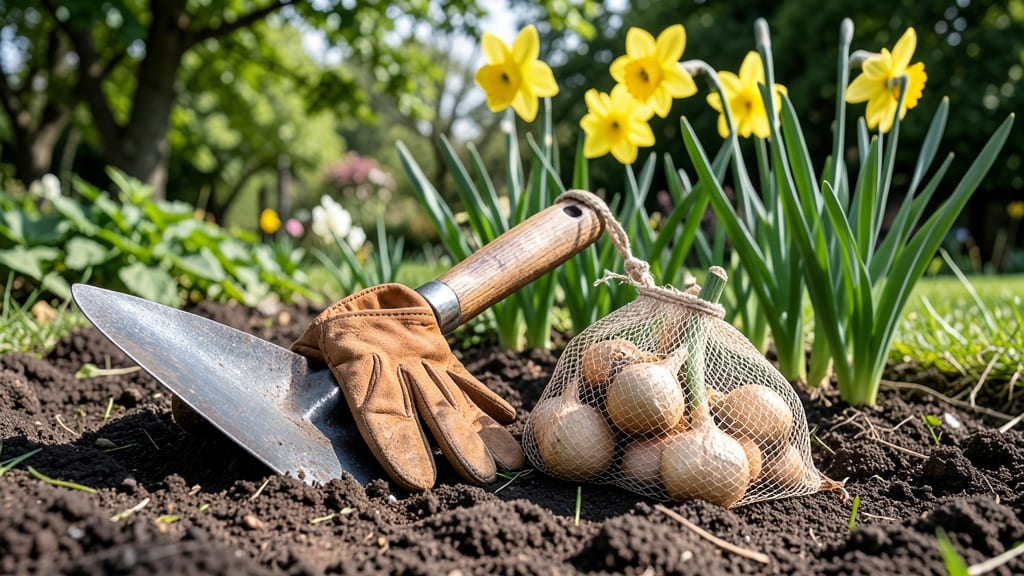
Planting daffodils in Washington State at the wrong time can mean the difference between a garden bursting with bold spring color and a missed opportunity.
With USDA zones 6b-9a across the state, timing varies dramatically—from the rainy Puget Sound to the drier eastern plains—so getting it right is key to success.
The secret to vibrant 🌼 daffodil blooms lies in planting bulbs 6-8 weeks before the ground freezes, typically between October and November. But here’s the catch: Eastern Washington’s colder winters demand earlier planting, while milder coastal areas can wait until late fall.
Let’s break down the best schedule for your specific region.
You’ll also discover how to prep your soil for Washington’s unique climate, avoid common pitfalls like planting too late, and extend your blooms with expert care tips. Whether you’re a seasoned gardener or just starting, these insights will help you create a daffodil display that steals the show every spring.
Ready to transform your garden? Let’s dive into the exact planting windows, soil prep, and regional adjustments that will set your daffodils up for a stunning comeback year after year.
Best months to plant daffodils in Washington State by region
Washington State’s diverse microclimates mean your daffodil planting schedule should match your region. In Western WA (Seattle/Portland), milder winters allow later planting, while Eastern WA (Spokane/Wenatchee) demands earlier action to beat the frost.
Even within the Puget Sound, urban heat islands can shift ideal timing by weeks. Let’s break down the perfect planting windows for your area to ensure vibrant spring blooms.
Daffodils thrive when planted in fall, but the exact timing depends on frost dates and soil temperature. Most gardeners aim to plant 6-8 weeks before the ground freezes.
In Zone 6b (e.g., Spokane), that’s mid-October, while Zone 8b (e.g., Vancouver) can wait until early December. Microclimates—like sheltered garden beds or low-lying areas—can push these windows even further.
Here’s how to adjust your planting schedule based on Washington’s three key regions, including frost-free dates and soil prep tips:
| Region | USDA Zone | Ideal Planting Window | Last Frost Date | Microclimate Tip |
|---|---|---|---|---|
| Western WA (Seattle, Portland) | 8a-8b | Late October - Early December | November 15 - December 15 | Urban areas stay warmer; plant late November for safety. |
| Puget Sound (Tacoma, Olympia) | 8b-9a | Early November - Mid-December | December 1 - December 20 | Coastal areas are milder; extend window to early January in sheltered spots. |
| Eastern WA (Spokane, Wenatchee) | 6b-7a | Mid-September - Mid-October | October 15 - November 1 | Cold snaps arrive early; plant by October 15 for best results. |
For Western WA gardeners, aim to plant daffodil bulbs between late October and early December. Soil temperatures in Seattle and Portland typically stay above 50°F (10°C) until mid-November, giving bulbs time to establish roots before winter.
If you’re in an urban heat island, like downtown Portland, you can push planting to December, but avoid planting after December 15 to prevent frost damage.
In Eastern WA, where winters are harsher, Spokane and Wenatchee gardeners should plant daffodils by mid-October. The first frost often arrives by October 15, and soil temperatures drop quickly.
Use a soil thermometer to confirm the ground is below 60°F (15°C)—this signals it’s time to plant. Elevation matters: Bulbs in Wenatchee’s apple orchards may need planting 2-3 weeks earlier than in Spokane’s valleys.
Puget Sound’s milder coastal climate offers flexibility. Gardeners in Tacoma or Olympia can plant as late as mid-December, but early November is ideal for most. If you’re near sheltered microclimates, like a south-facing slope, extend your window to early January.
However, avoid planting after January 10, as late frosts can damage emerging shoots.
Regardless of your region, soil preparation is key. Work in 2-3 inches of compost or well-rotted manure to improve drainage, especially in clay-heavy soils common in Eastern WA. Daffodils hate soggy roots, so amend heavy soils with sand or perlite.
In Western WA’s rainy climate, raise beds slightly to prevent waterlogging. Plant bulbs 6 inches deep and 6 inches apart for optimal growth.
After planting, mulch heavily with straw or shredded leaves to insulate bulbs from freeze-thaw cycles. In Eastern WA, add an extra 4 inches of mulch to protect against harsh winters. Water deeply once after planting
How Washington State’s climate affects daffodil planting success
Washington State’s variable climate creates unique challenges—and opportunities—for growing daffodils. The Pacific Northwest’s damp winters and eastern regions’ dry spells both demand tailored planting strategies. If you plant too early, bulbs may rot in soggy soil; too late, and they won’t establish roots before winter’s chill.
Understanding your local microclimate is the key to vibrant spring blooms.
One critical factor is soil temperature. Daffodils need 60°F soil to start growing, but they’ll rot if planted when soil is above 50°F. In Western WA, this often means waiting until October, while Eastern WA’s cooler nights may allow earlier planting in September.
Always check soil temps with a thermometer to avoid costly mistakes.
Elevation also plays a role. Higher areas like the Cascade Mountains experience earlier frosts, so bulbs must go in the ground 8-10 weeks before the first hard freeze.
Meanwhile, lowland zones like the Columbia Basin can plant later, up to mid-November. Use USDA Zone maps to pinpoint your exact window.
🌱 Key Takeaway: When to Plant Daffodils in Washington State
📅 Western WA (Seattle, Portland)
Plant mid-October to early November. Soil temps should be 50-60°F.
🌡️ Eastern WA (Spokane, Wenatchee)
Plant late September to mid-October. Cooler nights allow earlier planting.
⛰️ High Elevation (Cascades, Olympics)
Plant 8-10 weeks before frost (typically September). Use extra mulch for insulation.
Rainfall also impacts planting depth. In wet Western WA, plant bulbs 6-8 inches deep to prevent rot, while drier Eastern WA can use shallower depths of 4-6 inches. Always plant in well-draining soil—amend heavy clay with compost to improve aeration.
A simple percolation test (dig a hole, fill with water, and see how fast it drains) can save you from soggy bulb failures.
Finally, choose climate-appropriate varieties. Early bloomers like ‘Tête-à-Tête’ thrive in cooler zones, while late bloomers such as ‘Ice Follies’ handle warmer springs. Local nurseries often carry Washington-tested hybrids that perform best in your area.
Pairing the right bulb with the right timing ensures bold, reliable blooms year after year.
With these climate-specific adjustments, your daffodils will thrive despite Washington’s unpredictability. The secret? Plan ahead, test your soil, and adapt to your microclimate—then sit back and enjoy the show next spring. 🌼