
Plants
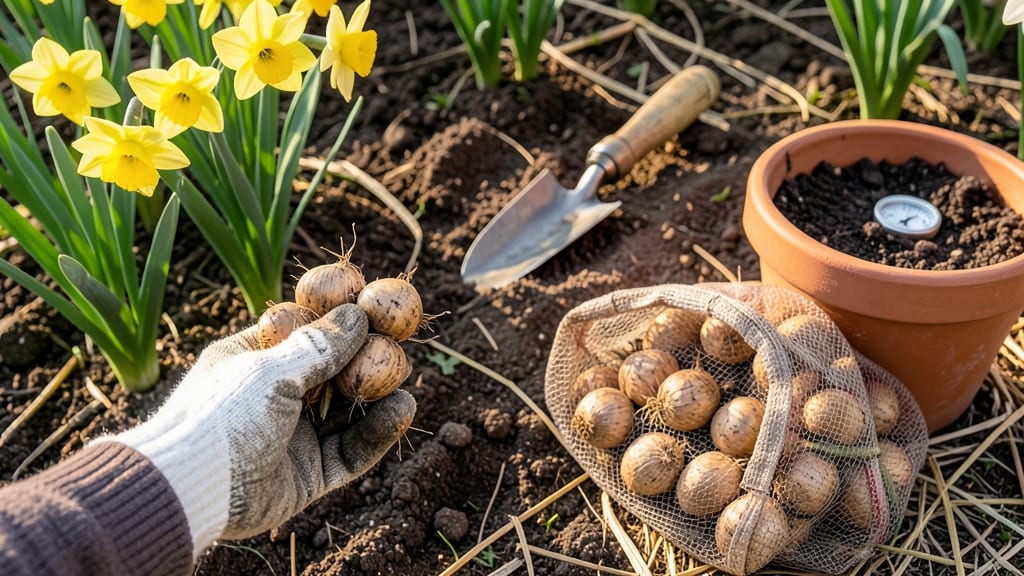
Planting daffodils in Zone 9b might seem tricky when you're used to cooler climates, but with the right timing, you can enjoy vibrant blooms without the risk of bolting.
The key is to plant them 6-8 weeks before your first frost, which in Zone 9b (think Phoenix or Southern California deserts) means aiming for October through December—not too early, not too late.
Most gardeners assume daffodils need a cold winter to thrive, but in Zone 9b, where frost is rare, you need a different approach. These resilient 🌼 bulbs can actually handle mild winters if planted correctly, but timing is everything.
Plant too early, and they might sprout too soon; too late, and they won’t establish strong roots before summer heat arrives.
Here’s the game-changer: focus on soil temperature and moisture rather than frost dates. In Zone 9b, daffodils should go into the ground when soil temps drop below 60°F, signaling the start of their dormancy cycle.
This usually aligns with late October, but watch for rain—consistent moisture helps roots settle before summer’s return.
Once you’ve got the timing down, the rest is easy. Choose healthy bulbs, plant them 6 inches deep, and mulch to retain moisture. With these steps, you’ll be rewarded with cheerful spring blooms—no frost required. Let’s dive into the exact dates and tricks to make it happen.

Optimal planting window for Zone 9b daffodils (with exact dates)
In Zone 9b, where winters are mild and summers scorching, daffodils need a precise planting window to avoid premature bolting or weak growth. Unlike colder zones, your bulbs won't get natural winter dormancy cues—so timing is critical.
The ideal window is 6-8 weeks before your first frost, which in Zone 9b typically falls between mid-October and early December. This timing ensures roots establish before winter while preventing heat stress.
Zone 9b's average first frost date is around December 15, but coastal areas may see frost later or none at all. For inland desert regions like Phoenix, aim for early November planting to give bulbs enough time to root before potential cold snaps.
Southern California's coastal areas can plant slightly later, up to mid-December, thanks to milder microclimates.
Here’s the key: soil temperature must drop below 60°F (15°C) for 4-6 weeks before planting. This triggers bulb dormancy. Use a soil thermometer to monitor—if temps stay above 70°F (21°C), bulbs may bolt prematurely.
Most Zone 9b gardeners hit this threshold in late October, making it the safest start date.
| Planting Window | Soil Temp Threshold | Zone 9b Microclimate | Risk if Planted Late |
|---|---|---|---|
| Mid-October | 60-65°F (15-18°C) | Inland deserts (Phoenix) | Heat stress; weak roots |
| Late October | 55-60°F (13-15°C) | Coastal (San Diego) | Minimal (mild winters) |
| Early November | 50-55°F (10-13°C) | Valleys (San Fernando) | None (optimal timing) |
| Mid-December | Below 50°F (10°C) | Coastal only | Bolting risk (warm spells) |
If you miss the October-November window, don’t panic—you can plant into early January, but expect delayed blooms or smaller flowers. The latest safe date is January 10, aligning with Zone 9b’s average last frost.
After that, bulbs may struggle to establish before summer heat returns. For container gardening, adjust by planting 2-3 weeks earlier since pots heat up faster.
To avoid premature bolting in warm Zone 9b winters, use mulch (3-4 inches) of straw or shredded leaves after planting. This insulates soil, helping simulate cooler conditions. For desert areas, add a lightweight row cover during daytime to lower soil temps by 5-10°F (3-6°C).
Test your soil’s drainage too—daffodils hate soggy roots, which can trigger bolting.
Pro tip: Choose Zone 9b-friendly daffodil varieties like 'February Gold' or 'Ice Follies', which tolerate mild winters better than traditional types. These varieties bloom earlier and handle warm spells without bolting.
For coastal Zone 9b, 'Tête-à-Tête' (dwarf) daffodils thrive with minimal chill hours. Always buy certified disease-free bulbs from reputable nurseries to avoid introducing pests.
After planting, water deeply once a week for the first month to encourage root growth. Reduce to bi-weekly watering once shoots appear. In summer (June-August), let foliage yellow naturally—this recharges bulbs for next year’s blooms.
Avoid fertilizing during this time, as it promotes leaf growth over bulb storage. For container-grown daffodils, move pots to a shady spot in summer to prevent heat stress.
Remember: Zone 9b’s long growing season means daffodils can bloom year-round if planted at the wrong time. Sticking to the October-December window ensures spring blooms (March-May) when most Zone 9b gardeners crave color.
With the right timing, your daffodils will reward you with bold, healthy blooms—not sad, early shoots! 🌼
How to adjust planting for Zone 9b’s unique microclimates
Zone 9b’s coastal and inland areas create dramatically different growing conditions for daffodils. Coastal regions like San Diego enjoy milder winters, while inland deserts like Phoenix face sudden cold snaps. These variations mean your planting timeline and bulb care must adapt—or risk bolting or poor blooms.
Sun exposure also shifts dramatically. Coastal gardens often benefit from morning sun and afternoon shade, while inland areas thrive with full sun exposure. Without adjustments, your daffodils may struggle to establish roots or bloom at all.
The key? Microclimate awareness and strategic techniques like mulching or chilling treatments to mimic dormancy.
Zone 9b Microclimate Adjustments for Daffodils
Coastal Areas (Mild Winters)
- ✅ Pros: Plant late November to avoid overly warm soil.
- ✅ Pros: Use light mulch (1-2 inches) to regulate soil temps.
- ✅ Pros: Partial shade protects from coastal winds.
- ❌ Cons: Avoid heavy mulch—traps moisture, risks rot.
- ❌ Cons: Full sun can stress bulbs in summer.
Inland Desert (Hot Days/Cold Nights)
- ✅ Pros: Plant early October to establish roots before heat spikes.
- ✅ Pros: Deep mulch (3+ inches) insulates from temperature swings.
- ✅ Pros: Full sun boosts bloom intensity.
- ❌ Cons: Late planting risks bolting from warm soil.
- ❌ Cons: Poor drainage causes bulb rot in clay soils.
Chilling Trick for Warm Nights
If nights stay above 50°F, store bulbs in a paper bag in your fridge (35-40°F) for 4-6 weeks before planting. This mimics winter dormancy and prevents premature sprouting.
For shady spots, choose dwarf varieties like 'Tête-à-Tête' that tolerate 3-4 hours of sun. In full sun, opt for standard types like 'Ice Follies' for bold blooms. Always amend soil with compost to improve drainage—critical in Zone 9b’s heavy or sandy soils.
Mulching is your secret weapon. In coastal areas, use straw mulch to prevent moisture loss, while inland gardens benefit from wood chips to stabilize soil temps. Apply mulch after planting but before first rains to lock in moisture.
Finally, monitor your daffodils’ progress. If leaves emerge too early, prune foliage back by 50% to redirect energy to bulbs. This trick ensures stronger blooms next season—even in Zone 9b’s unpredictable microclimates. 🌼