
Plants
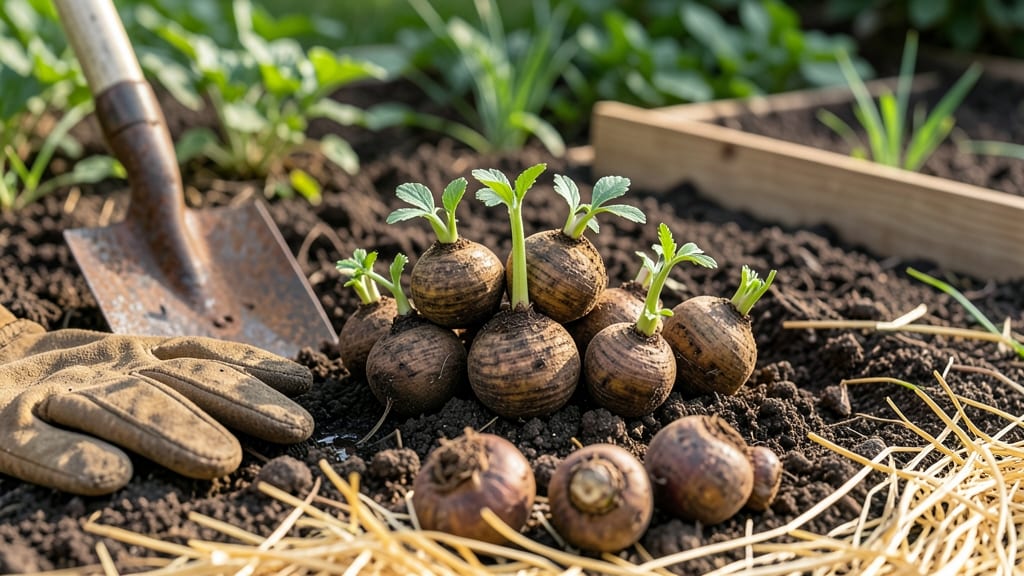
Planting dahlias in Florida isn’t just about timing—it’s about beating the heat before it beats your blooms. With 300 frost-free days and scorching summers, getting those tubers in the ground at the right moment means the difference between a showstopping garden and a wilted disappointment.
Most gardeners in USDA Zones 9a-11 wait until March or April, but the exact window depends on where you live. North Florida’s cooler pockets might need a head start, while South Florida’s humidity demands a slightly later approach.
I’ll break down the best weeks to plant based on your region, so you can avoid the 3 PM wilting that kills so many dahlias before they even bloom.
You might think Florida’s heat is a dahlia’s worst enemy, but with the right strategy, these stunning 🌸 flowers can thrive year-round. We’ll cover soil prep, shade tricks, and even which varieties handle the humidity like champions.
Ready to turn your garden into a dahlia paradise? Let’s dive into the exact timing that works for Florida’s climate.
The key isn’t just when you plant—it’s how you prepare. From mulching to watering schedules, small tweaks can mean the difference between a garden full of vibrant blooms and one full of struggling stems.
Stick with me, and I’ll show you how to make your dahlias the star of your Florida landscape, no matter how hot it gets.
Florida heat zone planting calendar: exact weeks for dahlias by region
Timing your dahlia tubers correctly in Florida means the difference between a garden bursting with vibrant blooms and struggling plants that never reach their potential. With USDA Zones 8-10 across the state, your planting window varies dramatically—from North Florida's cooler springs to South Florida's early heat waves.
Missing these exact weeks risks exposing young plants to hurricane season or soil too hot for germination.
I’ve planted dahlias in all three Florida regions, and the key is understanding when your soil reaches 60°F—the magic temperature for tuber growth.
In North Florida (Zone 8), you’ve got a narrower window, while South Florida (Zone 10) gardeners can start earlier but must protect plants from summer heat stress. Let’s break it down by region so you can mark your calendar now.
🌱 Pro Tip: Always test your soil temperature with a soil thermometer before planting. Dahlias hate cold soil, but they also wilting in 90°F+ ground.
In North Florida (Zones 8a-8b), your planting window opens around March 15-April 1—just as the last frost typically passes. The soil needs to reach 60°F for tubers to sprout properly.
I’ve seen gardeners in Gainesville rush planting in early March only to have their tubers rot in 50°F soil. Use black plastic mulch 2 weeks before planting to warm the ground faster.
Central Florida gardeners in Zones 9a-9b (think Orlando and Tampa) can start as early as late February, but aim for Week 8-10 (Feb 28-March 15). The soil here warms quickly, but hurricane season begins in June, so get your plants established before then.
I recommend planting heat-tolerant varieties like 'Café au Lait' if you’re pushing the early window.
South Florida’s Zones 10a-10b offer the earliest window—Week 6-8 (Feb 1-Feb 15)—but the real challenge is summer heat. Dahlias planted after May 15 will struggle with 90°F+ temperatures. My trick? Plant in partial shade with
How to extend dahlias’ growing season in Florida’s extreme heat
Florida’s summer heat can turn your dahlias into crispy wilted stalks faster than you can say "hurricane season." But with the right strategies, you can keep these 🌸 beauties blooming well past the 90°F+ days.
The secret lies in protecting those tubers from heat stress while maintaining the moisture they crave in our humid climate.
Start by choosing the right planting location. Dahlias need 6+ hours of sun, but in Florida’s peak heat, they’ll appreciate afternoon shade from nearby trees or a shade cloth (30-50% coverage). My go-to spot is near my east-facing fence, where they get morning sun and afternoon relief.
Mulching isn’t just for looks—it’s a lifesaver in Florida. Apply 3-4 inches of organic mulch (straw or wood chips) around your dahlias to keep roots cool and retain moisture. I’ve seen 20°F cooler soil temps under mulch during our hottest afternoons, which makes all the difference for tuber health.
⚠️ WARNING: Heat Stress Signs You’re Ignoring ⚠️
⚠️ DON’T PLANT TOO EARLY! ⚠️
Florida’s soil stays cold until late March in most regions. Planting tubers too soon (like February) causes rot from soggy soil. Wait until soil temps hit 60°F+—use a soil thermometer to check! South Florida can plant as early as mid-February, but North Florida should wait until mid-April.
Pro tip: Soak tubers in lukewarm water for 24 hours before planting to jumpstart growth without shocking them.
Watering is where most Florida gardeners fail. Dahlias need deep, infrequent watering—not daily sprinkles. Aim for 1-1.5 gallons per plant every 2-3 days, always in the early morning.
I use soaker hoses to avoid wetting foliage, which prevents powdery mildew in our sticky humidity. Never water at night—this invites fungal diseases that thrive in Florida’s heat.
For extra protection, try cloche tunnels or row covers during the hottest months (June-August). These create a microclimate that keeps temps 10°F cooler. I’ve kept dahlias blooming through July using lightweight fabric covers that let air and light through while blocking the worst heat.
Just remember to remove them during rain to prevent rot.
Finally, choose heat-tolerant varieties like 'Café au Lait' or 'Bishop'—these handle Florida’s humidity better than delicate hybrids. Combine these strategies, and you’ll enjoy dahlias blooming until November, even in our brutal summers. Your garden will thank you with vibrant color when others are wilting!