
Plants
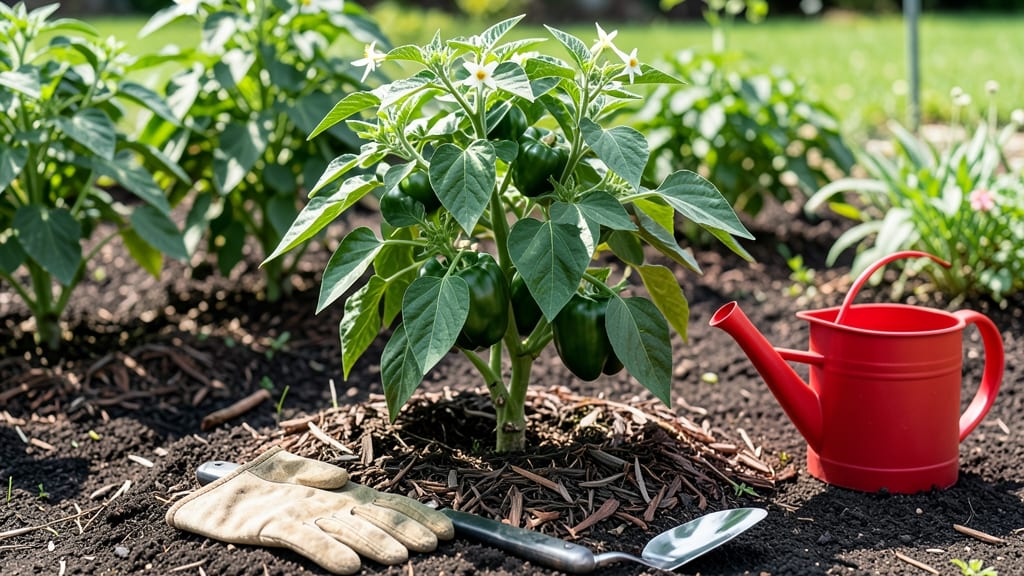
Planting bell peppers 🌶️ in South Florida isn’t just about timing—it’s about outsmarting the heat before it forces your plants to bolt and waste your hard work.
The perfect window starts indoors in January, giving you transplants ready for late February, when daytime temps hover in the 70s and nighttime dips just enough to prevent stress.
Most gardeners miss the mark by waiting until March, only to watch their peppers struggle through the brutal summer months.
But here’s the secret: South Florida’s 10a-11 climate lets you stretch your season further than you think—with the right tricks to beat the heat and keep your plants productive until October.
I’ve grown bell peppers here for years, and the difference between a thriving harvest and a failed attempt comes down to two things: planting at the exact right time and knowing how to protect your plants once they’re in the ground.
Let me show you how to do both without the guesswork.
From soil prep to shade strategies, we’ll cover everything you need to turn your South Florida garden into a pepper powerhouse—no matter how hot it gets. Ready to grow peppers that actually last?
South Florida bell pepper planting calendar: exact months to avoid bolting
South Florida’s year-round growing season might make you think bell peppers can be planted anytime—but that’s a recipe for disaster. Bolting (premature flowering) strikes hard when temperatures spike above 85°F or drop below 55°F.
The key? Planting during cooler transition months when your peppers can establish roots before summer’s fury hits.
I’ve grown bell peppers in Miami, Fort Lauderdale, and Homestead, and the difference between a bountiful harvest and a bitter disappointment comes down to these exact months. Miss them, and you’ll watch your plants bolt before producing a single pepper—or worse, wilt under the 90°F+ heat.
Here’s the non-negotiable timeline for South Florida bell peppers, broken down by indoor starts and outdoor transplanting, plus the heat-tolerant varieties that give you the best shot at success.
| Planting Stage | Best Months | Temperature Range (°F) | Heat-Tolerant Varieties | Bolting Risk |
|---|---|---|---|---|
| Indoor Starts | January–February | 70–80°F (day) / 60–65°F (night) | ‘Carolina Wonder’, ‘Jupiter’, ‘Aristotle’ | Low (controlled environment) |
| Transplant Outdoors | March–April | 75–85°F (day) / 65–70°F (night) | ‘Early Cal Wonder’, ‘NuMex Sandia’, ‘Gypsy’ | Moderate (avoid late April heatwaves) |
| Fall Transplant | September–October | 80–88°F (day) / 70–75°F (night) | ‘Cubanelle’, ‘Poblano’, ‘Banana’ | High (use shade cloth) |
| Avoid Planting | May–August | Above 90°F consistently | None (bolt risk 90%+) | Extreme (unless using shade) |
If you start seeds indoors in January or February, you’ll have transplant-ready seedlings just as South Florida’s temperatures dip into the ideal 70–80°F range. This gives your peppers 6–8 weeks to grow strong roots before the summer heat arrives.
I’ve had ‘Aristotle’ peppers produce 20+ peppers per plant when planted this way.
For outdoor transplanting, March and early April are your sweet spots. By late April, temperatures often climb into the mid-90s, and even heat-tolerant varieties like ‘NuMex Sandia’ will struggle. Wait until after Easter (a local rule of thumb) to play it safe.
Don’t overlook fall planting—September and October can yield second harvests if you choose shade-tolerant varieties like ‘Cubanelle’. The trick? Use 30–50% shade cloth to keep soil temps below 85°F and mulch heavily with straw or black plastic to insulate roots.
Bolting isn’t just about heat—it’s also triggered by temperature swings. A 10°F drop overnight can shock your plants into flowering. In South Florida’s humid climate, this happens when trade winds shift or after a tropical storm.
To prevent it, I harden off seedlings gradually and avoid planting near large bodies of water that cause sudden temp drops.
Pro tip: Monitor your soil temperature with a thermometer. Bell peppers bolt when soil temps exceed 85°F for more than 3 days. If your garden hits 90°F+, switch to container growing with black pots (they absorb heat) and elevate them on brick feet to improve airflow.
Finally, avoid planting in May through August unless you’re willing to deal with bitter, small peppers or no harvest at
How to extend your bell pepper season in South Florida’s heat
South Florida’s summer heat can turn your bell peppers into bolt-happy disasters by mid-June, but with the right strategies, you can push harvests through September and October.
The key is combining heat-resistant varieties, shade solutions, and precise care to keep plants productive when temperatures soar above 90°F.
I’ve grown bell peppers in Zone 11 for years, and these methods have helped me extend my harvest by 2-3 months beyond the traditional window. Start with late-summer varieties like ‘Aristotle’ or ‘Carmen’—they handle heat better than standard types—and pair them with these proven techniques.
- 1. Use 30% Shade Cloth from May–October to block direct midday sun while allowing light for photosynthesis. Install row covers or shade sails over plants by 10 AM and remove by 4 PM to avoid stunting growth.
- 2. Mulch with 3–4 inches of straw or wood chips to keep soil temps below 85°F. Dark mulches like black plastic raise temps—opt for light-colored options instead. Replenish after heavy rains to maintain coverage.
- 3. Water deeply every morning (before 8 AM) using drip irrigation or soaker hoses. Aim for 1–2 gallons per plant to encourage deep root growth. Avoid overhead watering to prevent fungal diseases like powdery mildew.
- 4. Prune aggressively to remove lower leaves and flower buds that form before July 15. Focus on keeping the top 12–18 inches of the plant free of foliage to improve airflow and reduce heat stress.
- 5. Switch to heat-tolerant varieties like ‘Jupiter’ or ‘Solar Fire’ after June 1. These long-day varieties produce better in 90°F+ temps than traditional types. Save ‘California Wonder’ for cooler months (Jan–March).
Don’t forget to fertilize lightly during peak heat—use a low-nitrogen formula (like 5-10-10) every 6 weeks to avoid leafy growth at the expense of fruit. Overfeeding in summer can lead to sunscald on peppers, so cut back by 50% compared to spring rates.
For container growers, upgrade to 5-gallon pots with moisture-retentive mixes (add 20% coconut coir). Place pots in elevated beds to improve drainage and reduce root stress. Move containers to shadier spots during heatwaves (temps above 95°F).
Monitor your plants for heat stress signs like yellowing leaves or drooping—these mean it’s time to increase shade or water more frequently. With these adjustments, I’ve harvested ripe peppers in November when most gardens have given up. The secret? Consistency and adaptation to Florida’s relentless sun.