
Plants
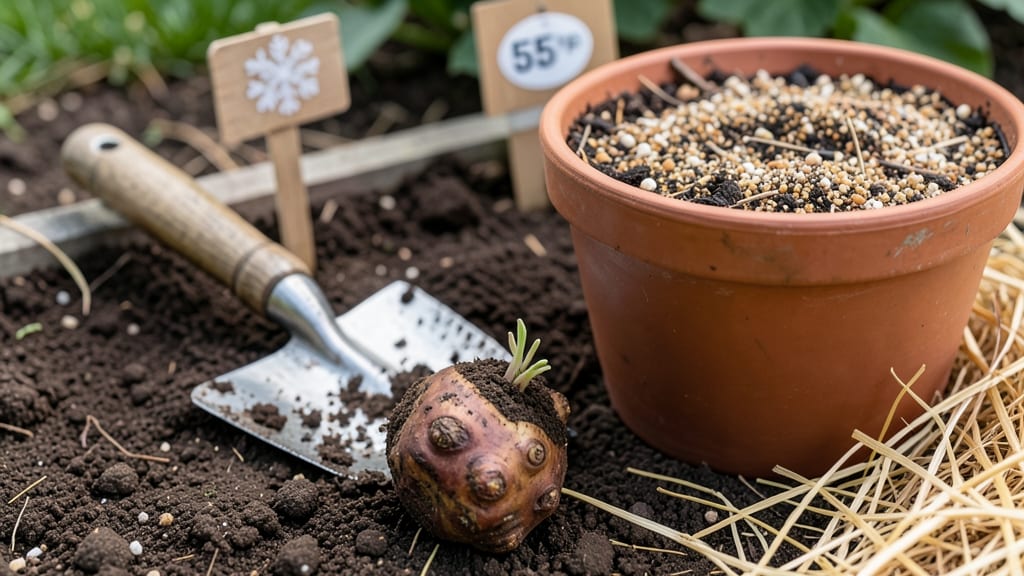
Minnesota dahlia planting timeline by hardiness Zone (frost-free date guide)
Timing your dahlia planting in Minnesota means the difference between a showstopping summer garden and lost tubers. Since Minnesota spans USDA zones 3-5, your last frost date can vary by 2-3 weeks, making zone-specific planning essential.
Dahlias thrive in warm soil and won’t tolerate cold snaps, so knowing your frost-free window is critical—especially for tubers that need 60°F+ soil to sprout.
Most Minnesota gardeners wait until mid-to-late May to plant dahlias, but this shifts slightly depending on your hardiness zone. Zone 3 areas (like International Falls or Duluth) often have later frost dates, while Zone 5 (like Minneapolis or Rochester) can plant 1-2 weeks earlier.
The key is balancing soil warmth with frost risk—plant too early, and your tubers may rot; too late, and you’ll miss peak blooms.
Pro Tip: Use row covers or cold frames to extend your planting window by 1-2 weeks in cooler zones. These tools can protect tender dahlia shoots from unexpected late spring frosts, which are common in Minnesota’s unpredictable climate.
If you’re planting dahlia tubers (the most common method), aim for late May to early June in Zone 3 and mid-May in Zone 5. For starter plants (potted dahlias), you can plant 1-2 weeks earlier since they’re already established.
However, harden off your starter plants for 3-5 days before transplanting to avoid shock from Minnesota’s chilly nights.
For gardeners in Zone 4 or 5, consider starting tubers indoors in late March or early April. Use seedling trays with well-draining soil and place them in a sunny window or under grow lights.
Transplant outdoors once soil warms to 60°F and nighttime temps stay above 50°F. This head start ensures earlier blooms and a longer flowering season.
Adjust your planting timeline if you experience an early or late spring. Check your local Almanac frost dates and monitor soil temperatures with a soil thermometer.
If frost threatens after planting, cover dahlias with frost cloth or straw mulch to protect tender growth. Late bloomers like 'Café au Lait' or 'Karma Choc' can handle slightly cooler conditions, making them great choices for Zone 3 gardeners.
Remember, dahlias need 6-8 hours of sunlight daily and rich, well-draining soil. Amend your garden beds with compost or aged manure before planting to give your dahlias the nutrients they need for vibrant blooms.
After planting, water deeply once a week (more in drought conditions) and apply a balanced fertilizer every 4-6 weeks to encourage strong growth.
By following this zone-specific timeline, you’ll maximize your dahlias’ potential and enjoy bold, long-lasting blooms from July through October. Whether you’re a Zone 3 veteran
5 Critical signs your Minnesota soil is ready for dahlias (beyond frost dates)
Checking frost dates is just the first step—your Minnesota soil needs to meet specific conditions before dahlias thrive. Cold, soggy ground can stunt root growth, while dry soil stresses newly planted tubers.
I’ve learned the hard way that even after frost-free dates, soil temperature and moisture play bigger roles than most gardeners realize.
Dahlias demand well-draining soil with rich organic matter, but Minnesota’s clay-heavy soils often need amendments. The key is balancing moisture retention with aeration—too much clay and roots suffocate; too much sand and nutrients wash away. Let’s break down what to check before you dig that first hole.
🌱 Numbered Highlights: 5 Soil Readiness Tests
- 1. Soil Temperature: Use a soil thermometer—ideal planting temp is 60°F+ at 4" depth. Minnesota soils often lag behind air temps, so wait until mid-to-late May in most zones.
- 2. Moisture Test: Grab a handful of soil—it should crumble slightly when squeezed but not stick together. If it’s bone-dry, water deeply 24 hours before planting.
- 3. Drainage Check: Dig a 6" hole, fill with water, and time how long it drains. Dahlias hate soggy roots—water should drain within 4-6 hours. Amend clay soil with compost or perlite if needed.
- 4. pH Balance: Test your soil—dahlias prefer 6.5-7.5 pH. Minnesota’s native soils often skew acidic; lime or wood ash can raise pH naturally.
- 5. Organic Matter: Work in 3-4 inches of compost or aged manure. Dahlias are heavy feeders, and Minnesota’s thin topsoil won’t cut it without prep.
One mistake I see often is planting when the soil looks dry on the surface but stays cold underground. Always check 4-6 inches deep—that’s where dahlia roots will grow.
I once planted in early May because the surface seemed warm, only to watch my tubers rot in 50°F soil.
For heavy clay soils (common in southern MN), mix in coarse sand or peat moss to improve aeration. Northern gardeners should focus on mulching heavily to retain heat—straw or shredded leaves work best.
Remember, dahlias need 6+ hours of sun daily, so choose a south-facing spot with no shade from trees.
Pro tip: If your soil fails a test, don’t panic. Amend it 2-3 weeks before planting—that gives microbes time to break down compost. I’ve turned poor clay soil into dahlia-friendly beds by adding 50% compost and 20% perlite. The difference in bloom size is night and day!
Finally, avoid planting after mid-July—dahlias need 8-10 weeks to establish roots before frost. In Minnesota’s short season, timing is everything. When your soil passes these tests, you’re ready for showstopping dahlias that’ll outshine your neighbors’ gardens. 🌼