
Plants
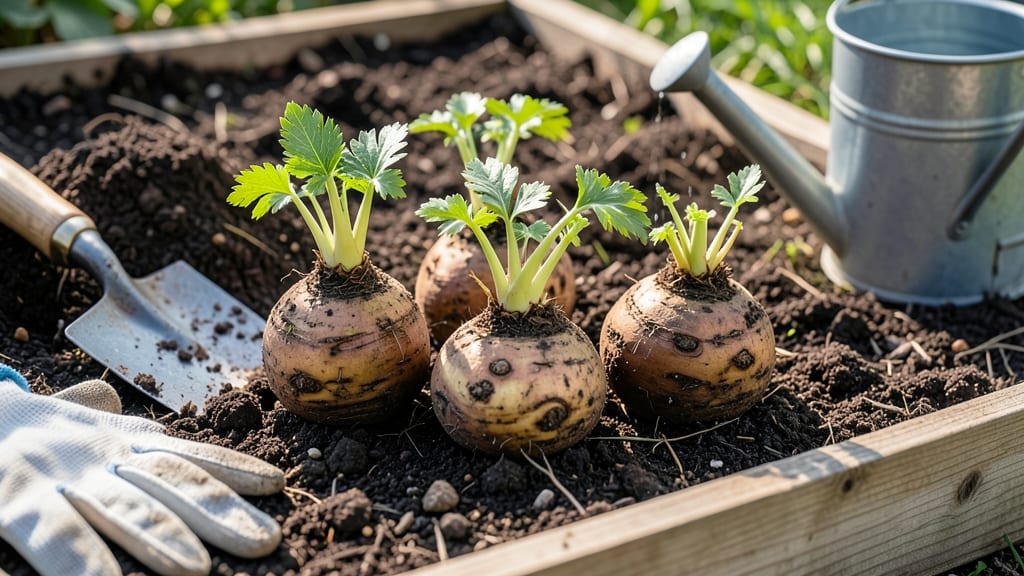
If you’ve ever planted dahlias in Southern California only to watch them struggle under summer heat or fail to bloom, you’re not alone—timing is the key to success in our unique climate.
The perfect window isn’t just about avoiding frost (which is rare here) but about giving your 🌸 tubers the ideal conditions to thrive before the real heat kicks in.
Most gardeners in zones 9b-10a rush to plant too early, only to see their dahlias wilt in June’s scorching temperatures. The secret? Start tubers indoors in late February or early March, then transplant them outdoors after soil warms to 60°F—typically by mid-April.
This approach ensures your dahlias establish strong roots before the summer sun peaks.
But here’s the twist: coastal areas like San Diego can handle outdoor planting a week or two earlier than inland spots like Riverside, where heat arrives faster. I’ll break down the exact schedule for your microclimate, plus pro tips to prep your soil and tubers for maximum blooms.
Ready to grow dahlias that flourish all summer long? Let’s dive into the climate-smart timing that’ll transform your garden from “meh” to “wow.”
Southern California’s dahlia planting zones: when to start tubers indoors vs. direct soil
Southern California’s USDA Zones 9b-11 offer a unique growing advantage for dahlias—no frost to worry about! However, the coastal vs. inland divide creates microclimates where timing makes all the difference. Inland areas like Riverside can hit 90°F+ soil temps by March, while coastal San Diego stays cooler until April.
Understanding these differences ensures your dahlia tubers thrive without heat stress or premature dormancy.
For most of Southern California, the last frost risk is minimal, but soil temperature is your real guide. Dahlias need 60°F+ soil to grow actively—cooler soils delay sprouting and invite rot.
Inland zones like Palm Springs may be ready by mid-February, while coastal areas like Santa Barbara should wait until late March. Let’s break down the best strategies for your specific zone.
| Planting Method | USDA Zone | Indoor Start Date | Direct Soil Planting | Soil Temp Requirement |
|---|---|---|---|---|
| Indoor Tubers | 9b-10a | February 15-March 15 | March 20-April 15 | 60°F+ |
| Direct Soil | 9b (Coastal) | N/A | April 1-May 1 | 60°F+ |
| Direct Soil | 10a (Inland) | N/A | March 1-March 15 | 60°F+ |
| Pro Tip | Use a soil thermometer to confirm temps—cooler coastal mornings can delay planting even in Zone 10a. | |||
Starting dahlia tubers indoors gives you a head start, especially for tall varieties like 'Thomas Edison' that need 8-12 weeks to mature. Begin tubers indoors 8-12 weeks before your last frost date—though in Southern California, this mostly matters for cooler microclimates like Big Sur or the Santa Ynez Valley.
For most inland areas, direct planting is faster and reduces transplant shock.
If you choose direct soil planting, wait until the soil temperature consistently stays above 60°F for at least 5 days. Inland zones like Hemet or Temecula often hit this mark by early March, while coastal areas like Laguna Beach may need to wait until mid-April.
Use a soil thermometer to avoid guesswork—dahlias won’t sprout until the ground warms up.
For coastal gardeners, morning fog can delay soil warming. Plant dwarf varieties like 'Mignon' series first—they tolerate cooler soils better and bloom faster. Inland gardeners should prioritize heat-tolerant varieties like 'Café au Lait' or 'Karma Choc', which handle 100°F+ days with proper mulching.
Always plant tubers 4-6 inches deep to protect them from temperature swings.
One common mistake is planting too early in hopes of an earlier bloom. Dahlias planted in 50°F soil rot before sprouting. Instead, use the 8-12 week indoor rule for coastal zones or wait for 60°F+ soil outdoors.
For inland areas, late February is ideal—soil warms quickly, and you’ll avoid the May heat spike that stresses young plants.
Protect your dahlias from late-season heat stress by providing afternoon shade in July-August. Use 30-50% shade cloth for varieties like 'Arabian Night' that wilt in 95°F+ temps. Coastal gardeners can skip this in most years, but inland areas need this extra care.
Mulch with 2-3 inches of straw to retain moisture and regulate soil temperature—critical for tubers in Zone 10a’s intense summers.
For container growing, start tubers indoors in 6-inch pots by late February. Move to larger containers (12+ inches) once sprouts emerge. Coastal containers dry slower—water every 4-5 days, while inland pots may need daily watering in summer.
Always use well-draining mix with perlite to prevent rot, especially in clay-heavy soils common in the Inland Empire.
Test your soil’s drainage before planting—dahlias hate soggy roots. Amend heavy clay with compost and coarse sand to improve aeration. In Zone 11 areas like Palm Desert, add organic mulch immediately after planting to shield tubers from 110°F+ soil that can bake them.
Coastal gardeners can skip heavy mulching but should still use 2 inches of wood chips to retain
Heat-smart planting calendar: month-by-month timeline for zero-frost dahlias
Southern California’s microclimates mean your dahlia planting schedule should vary slightly between coastal San Diego and the inland desert. The key rule is to plant when soil temps hit 60°F+—usually mid-April for most regions, but earlier in coastal areas where spring arrives sooner.
This calendar adjusts for El Niño (cooler, wetter springs) and La Niña (hotter, drier starts), so you can fine-tune your timing.
I’ll walk you through each month’s critical tasks, from chitting tubers indoors to hardening off seedlings and adjusting for your specific zone. Whether you’re in the LA Basin, San Diego, or the Inland Empire, these steps ensure your dahlias bloom abundantly without wilting under summer heat.
- 1 February: Start chitting tubers indoors (place cut-side up in potting mix at 60-65°F). Coastal areas can begin direct sowing in warmer microclimates like San Diego’s South Bay.
- 2 March: Harden off seedlings (acclimate to outdoor temps over 7-10 days). Inland areas should delay outdoor planting until late March if soil is still cool.
- 3 April: Plant outdoors after last frost risk (typically mid-April for LA Basin, early April for coastal areas). Bury tubers 4-6 inches deep in well-draining soil amended with compost.
- 4 May: Mulch heavily to retain moisture and regulate soil temp. Coastal gardens may need light shade cloth if afternoon sun is intense.
- 5 June-Sept: Deadhead spent blooms and water deeply 2-3x/week. Inland areas should avoid overhead watering to prevent fungal issues.
- 6 October: Cut back foliage and dig up tubers before first frost (rare but possible in inland valleys). Store in cool, dry place for next year.
For El Niño years, expect cooler, wetter springs—this means you can plant 2-3 weeks earlier than usual, as soil warms faster in coastal areas. Conversely, La Niña brings hotter, drier starts, so delay planting until soil temps consistently hit 60°F, often late April for inland zones.
Always check your local USDA Zone 9b-10a frost data to fine-tune.
Pro tip: Use a soil thermometer to confirm temps before planting. Dahlias hate cold soil, which can stunt growth. If your soil is still chilly in April, wait another week—your dahlias will thank you with bigger blooms later in the season. 🌱
Once your tubers are in the ground, focus on consistent watering and mulching to keep roots cool. Inland gardens may need afternoon shade during July-August to prevent heat stress. With this timeline, your dahlias will thrive from summer through fall, giving you cut flowers for arrangements all season long. ✂️