
Plants
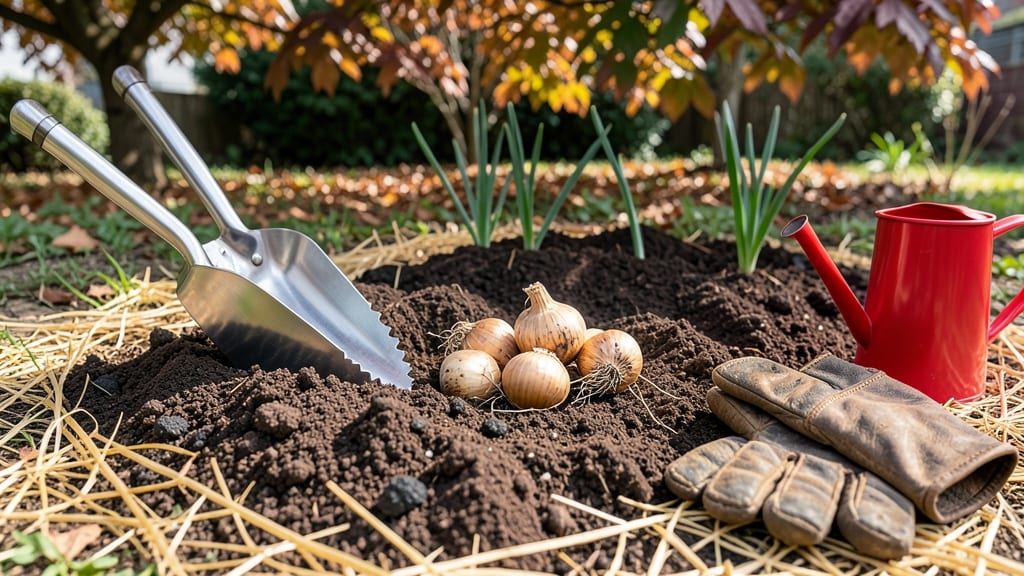
Planting daffodil bulbs in Southern California at the wrong time could mean missing out on those cheerful 🌼 blooms entirely—because unlike other regions, our mild winters and microclimates demand precision timing.
Whether you're in coastal Malibu or the desert near Palm Springs, knowing the exact window to plant makes all the difference.
The key is planting between November and February, when soil temperatures are cool but not freezing—a perfect balance for root establishment. Too early, and your bulbs might sprout before winter's chill sets in; too late, and they could struggle to bloom before summer heat arrives.
I'll show you how to adjust for your specific zone, so you're not guessing whether to dig in October or wait for January.
Southern California's diverse landscapes mean coastal areas can plant later than inland deserts, where cooler nights arrive sooner. We'll break down the best months for each microclimate, plus soil prep tricks to ensure your daffodils thrive. Ready to transform your yard into a springtime explosion of color? Let's get started.
Once planted, these hardy bulbs need minimal care—just consistent moisture and full sun to reward you with blooms from March through May. I'll share my top tips for post-planting success, so you can enjoy those bright 🌼 faces without the worry. Your spring garden starts now.
Best planting months for daffodil bulbs in Southern California by zone
Southern California’s USDA zones 9-11 create unique challenges and opportunities for daffodil growers. Unlike colder regions, our mild winters and variable rainfall mean timing matters more than ever. Plant too early, and bulbs may sprout prematurely; too late, and you risk weak root establishment before spring blooms.
The key is understanding your local microclimate—whether you're in coastal Malibu, inland Riverside, or the desert Coachella Valley.
Daffodils thrive when planted during cooler months when soil temperatures stay below 65°F (18°C). In Southern California, this typically means November through February, but your exact window depends on whether you're near the coast, inland, or in the desert.
Coastal areas can often plant 1-2 months later than inland zones due to milder temperatures and higher humidity. Let’s break down the ideal planting schedule for each region.
If you’re in coastal zones (9b-10a), aim for December through February to avoid premature sprouting. The cooler ocean breezes and higher humidity naturally delay growth until spring. In these areas, January is often the sweet spot—cool enough for root establishment but warm enough to prevent frost damage.
I’ve seen stunning displays in Malibu gardens planted in early January that bloom by March.
For inland regions (9b-10b), like the San Fernando Valley or Riverside, shift your focus to November and December. Inland areas warm up faster, so planting in late November gives bulbs time to root before temperatures rise.
If you plant in October, monitor closely—bulbs may sprout too early and struggle with heat stress in late winter. My inland garden in Glendale thrives when I plant by December 1st.
In desert zones (10a-11), like Palm Springs or Joshua Tree, the window narrows to October and November. Desert soils heat up quickly, and bulbs need to establish roots before spring temperatures spike.
Use drip irrigation to keep soil consistently moist—desert air is dry and evaporative, so bulbs dry out fast. I’ve successfully grown daffodils in Coachella Valley by planting in late October and watering deeply every 7-10 days.
One common mistake is waiting until March to plant daffodils, thinking they’ll bloom in late spring. This rarely works in Southern California because bulbs need 6-8 weeks of cool soil to establish roots before flowering.
If you miss the ideal window, you can still plant in early March, but expect smaller blooms or delayed flowering. For best results, stick to the November-February range and adjust based on your microclimate.
After planting, focus on soil moisture and light fertilization. Use
How Southern California’s microclimates affect daffodil planting success
Southern California’s diverse microclimates create unique challenges—and opportunities—for growing daffodils. While coastal areas like Malibu enjoy milder winters, inland desert zones like Palm Springs face hotter temperatures and less rainfall.
These differences mean your planting window should shift based on where you live. Understanding your local conditions is key to avoiding failed blooms or stunted growth.
For example, coastal gardeners can often plant daffodil bulbs as late as January due to cooler, moist air from the Pacific. Meanwhile, desert regions may need to plant as early as November to ensure roots establish before summer heat arrives.
Even mountain areas like Big Bear require adjustments, as frost pockets can damage tender new shoots if planted too late.
Your local microclimate isn’t just about temperature—it’s also about rainfall patterns and wind exposure. Coastal areas benefit from winter rains, which help establish roots, while desert zones may need supplemental watering.
Even within a city, urban heat islands can push planting dates earlier. To assess your spot, observe how long your garden stays moist after rain and note any late-season cold snaps.
Here’s a quick checklist to gauge your conditions: ☑️ Check your USDA zone (9b–11) and local frost dates ☑️ Note your garden’s sun exposure (full sun = earlier planting) ☑️ Test soil moisture—dry soils need earlier planting ☑️ Observe nearby plants—do they bloom earlier or later than expected?
Adjusting for frost pockets in mountain regions is critical. Even in USDA Zone 10, areas like Big Bear can see light frosts. Plant daffodil bulbs in September here to give roots time to anchor before winter.
Use mulch (2–3 inches of straw) to insulate bulbs and prevent temperature swings. In desert zones, prioritize shade during peak afternoon heat to protect newly planted bulbs.
Remember, daffodils thrive on routine. Once planted, maintain consistent watering (deep soaks every 7–10 days) and avoid fertilizing until spring. Your microclimate might dictate the when, but these basics ensure vibrant blooms no matter where you garden in Southern California. 🌼