
Plants
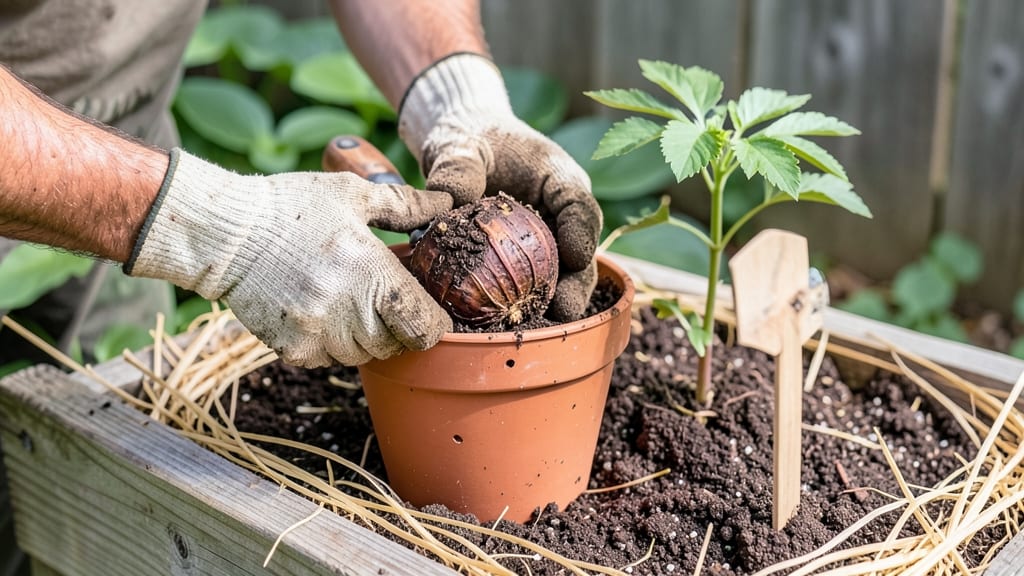
Planting dahlias in Vancouver at the wrong time can mean the difference between a showstopping summer garden and a sad, wilted disappointment. The perfect window—mid-May to early June—aligns with your last frost date and gives these 🌸 blooms the warm soil and long days they crave.
Here’s the catch: Vancouver’s coastal climate throws curveballs with cool, damp springs that can delay planting. Tubers need soil at 60°F+ to sprout, so rushing them into cold ground risks rot. I’ll show you how to time it right—plus, when to start tubers indoors for a head start.
Why does this matter? Dahlias reward patience with months of vibrant blooms, but only if you plant them after the frost danger passes. I’ll walk you through soil prep, mulching tricks, and how to extend your blooming season—so you’re not left scrambling when the first frost hits in October.
Whether you’re a first-time gardener or a seasoned pro, these tips will help you grow dahlias that thrive in Vancouver’s unique conditions. Let’s get those tubers in the ground at the perfect moment!
Vancouver’s ideal dahlias planting window: frost-free dates & soil prep
Vancouver’s coastal climate means dahlias thrive here, but timing is critical. The last average frost date in Zone 8a is April 15, but soil temperature must reach 60°F (15°C) before planting tubers.
This usually happens by mid-May, giving you a 6-week window for optimal tuber growth before summer blooms. Wait too long, and you’ll miss peak flowering.
Unlike seeds, dahlia tubers are sensitive to cold. Planting too early risks frost damage to emerging shoots, while late planting delays blooms until July or August—cutting your season short.
My go-to strategy is to test soil temperature weekly from early April using a soil thermometer ($10 at garden centers). Aim for consistent 60°F+ readings for 3+ days before planting.
| Key Factor | Vancouver Specification | Actionable Tip |
|---|---|---|
| Last Frost Date | April 15 (Zone 8a) | Wait 2 weeks after last frost for soil warmth |
| Soil Temperature | 60°F+ (15°C+) | Use a thermometer; test daily in April |
| Ideal Planting Window | Mid-May to early June | Plant in 3 batches for staggered blooms |
| Tuber Depth | 4-6 inches deep | Eye upward; cover with 2 inches compost |
| Spacing | 12-18 inches apart | Dwarf varieties: 12 inches; standard: 18 inches |
| Drainage Test | Water should drain in 2-4 hours | Amend clay soil with perlite or sand |
| Mulch Type | Straw or cedar mulch | Apply 3-inch layer after shoots emerge |
Vancouver’s acidic, clay-heavy soil can suffocate dahlia roots if not amended. Before planting, test your soil’s pH (ideal range: 6.0-7.0). If below 6.0, mix in garden lime (1 lb per 100 sq ft) 2 months before planting.
For drainage, I raise beds 6-12 inches in problem areas or create mound gardens using compost and topsoil. This mimics the well-draining conditions dahlias love.
Drainage is non-negotiable in Vancouver’s wet winters. After planting, create a 2-inch deep trench around each tuber to channel excess water away from the base. Add a 1-inch layer of gravel at the bottom of the hole before placing the tuber to further improve drainage.
For containers, use pots with drainage holes and fill the bottom 20% with perlite or coarse sand.
Mulching is my secret weapon against Vancouver’s cool, damp springs. Apply a 3-inch layer of straw or cedar mulch once shoots reach 6 inches tall. This retains soil moisture (critical in our dry summers) while keeping roots consistently warm.
Avoid dark mulches like black plastic—they can overheat soil during our rare heatwaves. Instead, I use light-colored mulch to reflect sunlight.
For early blooms, I pre-sprout tubers indoors 4-6 weeks before the last frost. Place tubers in moist perlite in a bright, warm spot (70°F+). Once sprouts reach 3 inches, harden them off outdoors for 1 week before transplanting.
This head start gives you 4-6 weeks of extra blooms—perfect for extending your Vancouver season.
Don’t forget to rotate planting locations yearly. Dahlias are heavy feeders, and planting in the same spot depletes nutrients. I crop-rotate them with light feeders like lettuce or radishes the previous year.
This replenishes soil naturally and reduces disease risk. After harvest, I leave foliage until first frost, then compost it to return nutrients to the soil.
Pro tip: Mark your planting dates on a garden calendar along with local weather forecasts. Vancouver’s May frosts (though rare) can still occur. If a late frost warning appears, cover young plants with frost cloth or a plastic milk jug (cut in half) for protection.
With these strategies, you’ll maximize your dahlia season from July to October—even in our unpredictable climate.
Remember, patience pays off with dahlias. The first blooms might take 8-10 weeks from planting, but once they arrive, they’ll reward you with vibrant color until frost. Start your tubers early, prepare your soil well, and soon you’ll be cutting bountiful bouquets straight from your Vancouver garden. 🌸
How to extend dahlias season in Vancouver: staggered planting for longer blooms
Vancouver’s cool, damp springs and early autumn frosts can cut your dahlia season short—but not if you plan ahead. The key to longer blooms lies in staggered planting, a technique that lets you enjoy flowers from early July to October.
By spacing out your tubers in 2-3 week intervals, you create a continuous display instead of one big burst followed by bare stems.
This method works especially well in Vancouver’s Zone 7b/8a climate, where the first frost typically arrives around mid-October. The goal is to have new plants reaching maturity just as older ones finish blooming.
I’ve used this approach for years in my own garden, and it’s extended my dahlia season by 4-6 weeks—without extra work once the tubers are in the ground.
Here’s how to do it right, including cold-frame tricks for early starts and heat-hardening for late-season tubers—plus how to avoid Vancouver’s biggest pitfall: soggy soil that rots tubers before they even sprout.
- Early Start (Late April): Plant 1/3 of tubers in a cold frame to harden off early. Use well-draining soil with 50% compost to prevent rot.
- First Wave (Mid-May): Plant remaining tubers directly in garden after soil hits 60°F. Space 12-18" apart in full sun.
- Second Wave (Early June): Add new tubers for late-season blooms. Use mulch to retain heat and moisture.
- Third Wave (Late June): Plant heat-tolerant varieties (e.g., 'Café au Lait') for fall color before frost.
- Ongoing Care: Deadhead weekly and fertilize every 4 weeks with 5-10-10 for continuous blooms.
For the first planting wave, I recommend starting tubers indoors under grow lights 4-6 weeks before your target date. Use sterilized potting mix and keep soil at 70°F to encourage sprouting.
Once sprouts reach 3-4 inches, harden them off by moving them outside for 2-3 hours daily, gradually increasing exposure.
Vancouver’s coastal humidity and acidic soil (pH 5.5-6.5) can be tricky, so I always amend beds with gypsum to improve drainage and raise pH slightly. Add a 1-inch layer of gravel at the bottom of planting holes to prevent waterlogging—a common issue in our rainy climate.
This simple step has saved dozens of tubers from rot in my garden.
To extend blooms into late September, focus on heat-hardening your final tuber batch. Start them in containers and move them outdoors during the day, bringing them in at night until they’re fully acclimated.
Plant these late June tubers in a south-facing spot with extra mulch to trap heat. Varieties like 'Thomas Edison' (dwarf) and 'Karma Choc' (dark foliage) thrive in these conditions.
Remember: Deadheading is non-negotiable for extended blooms. Remove spent flowers daily to redirect energy to new buds. In my experience, this single habit adds 2-3 extra weeks of vibrant blooms. Pair it with regular feeding (every 4 weeks), and your dahlias will reward you with color until frost.