
Plants
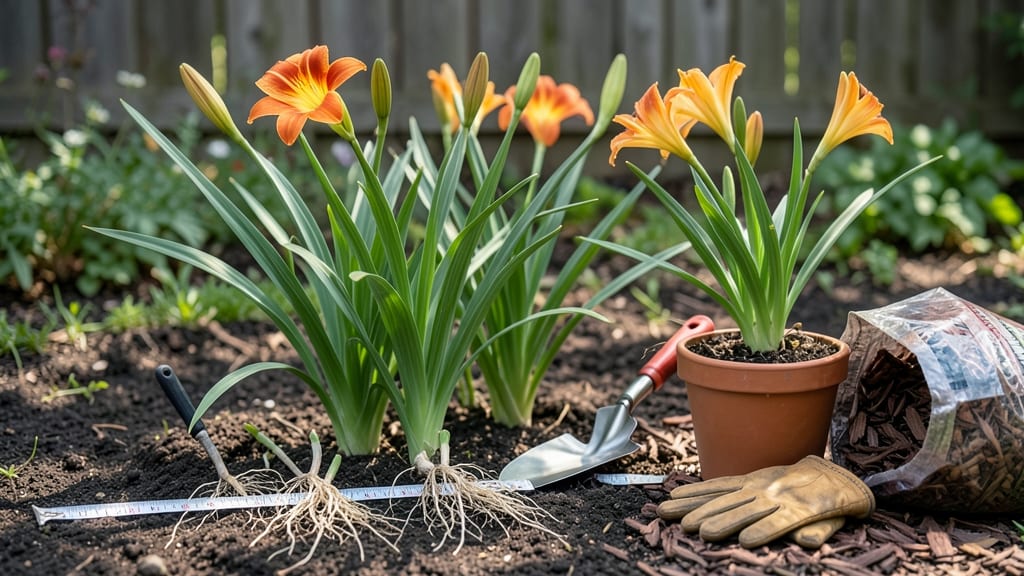
Planting your daylilies 🌸 at the wrong time in Georgia could mean the difference between a garden full of vibrant blooms and a sad, struggling patch. The key to success lies in understanding when to plant daylilies in Georgia—because those frost dates and heat spikes don’t play around.
If you’ve ever watched your daylilies wilt under summer’s intensity or freeze before they even take root, you know timing matters. In USDA zones 7a-9a, the ideal windows are early spring (March-June) or fall (September-October), but getting it just right avoids common pitfalls like stunted growth or winter dieback.
I’ll break down the exact deadlines for zero-frost survival, regional adjustments (yes, Atlanta and Savannah have different rules), and soil prep tips that make all the difference. Skip the guesswork—let’s get those daylilies planted for a showstopping display every season.
Whether you’re a first-time gardener or a seasoned pro, these insights will help you plant with confidence. Ready to turn your Georgia garden into a daylily paradise? Let’s dive in.
Optimal planting windows for Georgia daylilies by month (USDA Zone 8)
Georgia’s USDA Zone 8 climate offers two prime windows for planting daylilies—early spring and fall—but timing matters to avoid heat stress or frost damage.
Daylilies are perennial hardy plants that thrive when planted outside of extreme temperatures, making these windows critical for root establishment before summer’s heat or winter’s chill.
In Zone 8 Georgia, the last average frost date hovers around March 15, while the first frost typically arrives by November 15. Planting too early in spring risks bolting (premature flowering), while fall planting must finish 6-8 weeks before frost to ensure root development.
Let’s break down the best months and what to watch for.
Soil temperature is your best indicator: aim for 60°F or warmer when planting daylilies. In Georgia, this usually aligns with late March to early April for spring and September to early October for fall. Cooler soil temperatures delay root growth, leaving plants vulnerable to transplant shock.
Spring planting in March-April gives daylilies time to establish roots before summer’s 90°F+ temperatures. Fall planting in September-October allows roots to grow before winter dormancy. Both windows avoid the peak heat of June-August, when daylilies struggle to thrive.
For spring planting, focus on late March to early April when soil temperatures consistently stay above 60°F. This timing ensures daylilies avoid bolting (premature flowering) caused by sudden heat spikes.
If you plant in May, prioritize shade cloth or drip irrigation to protect roots from drying out during Georgia’s 90°F+ summers.
Fall planting is ideal in September-October, giving roots time to establish before winter. In southern Georgia (e.g., Savannah), you can extend planting to early November, but northern Georgia (e.g., Atlanta) should finish by mid-October to avoid early frosts.
Always check your local frost date averages—a quick Google search for “[your city] frost dates” will save you headaches.
Daylilies planted in late fall (November) risk frost damage before roots establish. If you miss the fall window, container-grown daylilies can be planted in early spring and moved outdoors after the last frost. Just be prepared to harden off plants gradually to avoid transplant shock.
Pro tip: Amend your soil with compost before planting to improve drainage and fertility. Daylilies tolerate poor soil but bloom best in well-draining, slightly acidic soil (pH 6.0-7.0). Test your soil’s pH and adjust with lime or sulfur if needed—Georgia’s clay-heavy soils often benefit from organic matter.
After planting, mulch heavily (3-4 inches) with straw or pine needles to retain moisture and regulate soil temperature. This is especially critical in spring to prevent soil crusting and in fall to insulate
How to adjust planting dates for Georgia’s microclimates (north vs. south regions)
Georgia’s diverse climate means Atlanta’s last frost in March can differ by 4 weeks from Savannah’s coastal warmth. Understanding these microclimates lets you plant daylilies 2-3 weeks earlier in the south while avoiding spring heat stress in the north. Let’s break down the key differences and how to adapt.
In northern Georgia (USDA Zone 7a-7b), like Atlanta and Dahlonega, aim for March 15–April 15 spring planting. The Piedmont region has colder nights and soil warms slower, so wait until soil reaches 60°F—test with a soil thermometer for accuracy.
Fall planting here should start by September 1 to establish roots before November’s first frost.
| Region | Last Frost Date | First Frost Date | Spring Planting Window | Fall Planting Window |
|---|---|---|---|---|
| Northern GA (Atlanta, Dahlonega) | March 15 | November 15 | March 15–April 15 | September 1–October 15 |
| Southern GA (Savannah, Brunswick) | February 15 | December 1 | February 15–March 31 | September 15–November 1 |
| Coastal GA (Tybee Island, St. Simons) | January 31 | November 30 | January 31–March 15 | September 30–November 15 |
Southern Georgia’s coastal regions (USDA Zone 8a-9a) offer a 6-week earlier planting window. In Savannah or Brunswick, you can plant as early as February 15, but prioritize heat-tolerant varieties like ‘Stella de Oro’ or ‘Happy Returns’, which thrive in 90°F+ temperatures.
These areas also allow fall planting until November 1, giving roots extra time to establish before mild winters.
For transition zones like Macon or Columbus, average 3 weeks earlier than Atlanta. Use local weather apps (like Georgia Weather Network) to track soil temps and frost alerts.
If you’re unsure, mulch heavily with straw or pine needles to protect roots during unexpected cold snaps in Zone 7b.
Extend your planting window by 2 weeks in southern Georgia with row covers or cold frames. In northern Georgia, opt for hardier varieties like ‘Hadspen Pink’, which tolerates 20°F temps better than tropical hybrids. Always water deeply before first frost to hydrate roots for winter survival.
Pro tip: Divide daylilies in early spring (March) or fall (October) for healthier transplants. Southern gardeners can divide 2 weeks earlier than northerners—just avoid extreme heat or freezing soil. With these adjustments, your daylilies will bloom reliably across Georgia’s diverse climate zones.