
Plants
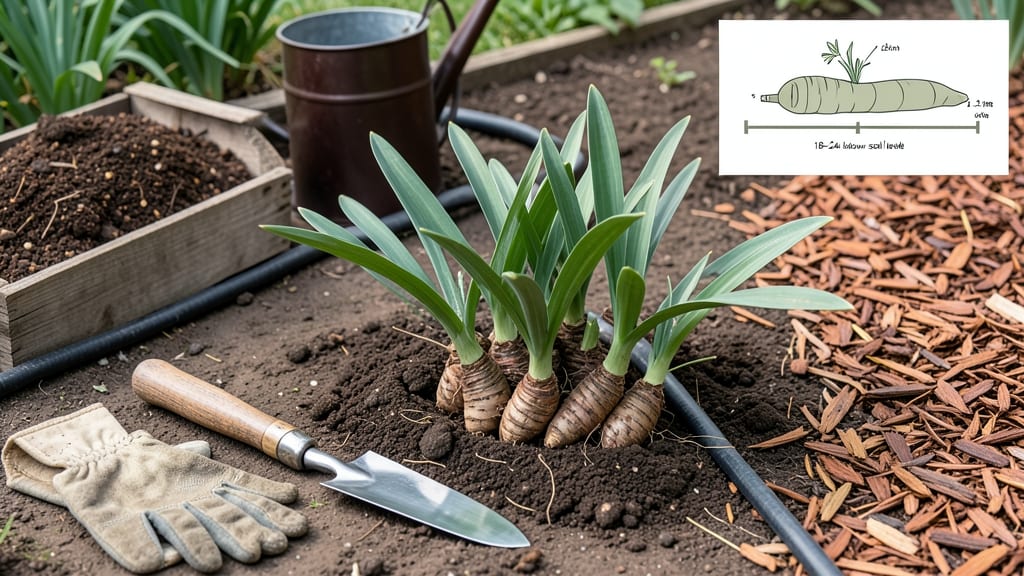
Planting daylily bulbs—or actually their rhizomes—at the wrong time in Zone 8 can mean the difference between vibrant blooms and struggling plants. The key isn’t just picking a month; it’s timing the soil temperature just right to avoid frost damage and give roots the best start.
Most gardeners in Zone 8 assume early spring is the only option, but early fall planting offers a secret advantage: cooler soil lets rhizomes establish before winter sets in.
I’ve learned the hard way that rushing too early or waiting too late can leave your 🌸 daylilies weak and prone to disease.
In this guide, I’ll break down the exact soil temperature window (50°F–60°F) that signals it’s time to plant, plus how to prep your garden bed for maximum success. Whether you’re a first-time grower or a seasoned gardener, these tricks will help your daylilies thrive year after year.
You’ll also discover how to spot when your soil is truly ready—and the three mistakes that can derail your planting plans before they even begin. Let’s get those rhizomes in the ground the right way.

Optimal planting windows for daylilies in Zone 8 by soil temperature
Daylilies (often called daylily bulbs, though they grow from rhizomes) thrive in Zone 8 when planted during specific soil temperature windows. Unlike true bulbs, their rhizomes establish roots best when soil is 50°F–60°F, avoiding both frost and summer heat stress.
Timing matters—plant too early, and roots won’t develop; too late, and blooms suffer.
In Zone 8, the ideal planting windows are early fall (September–October) and late winter (February–March). These periods align with soil warming trends, giving rhizomes 6–8 weeks to root before extreme temperatures arrive. Let’s break down the best times based on soil temperature and frost risk.
Key Insight: Soil temperature is more critical than air temperature for daylily success. Use a soil thermometer to confirm readiness—50°F is the magic number for root growth. In Zone 8, this typically occurs in September (fall) and March (spring), but local microclimates may shift these dates by 2–4 weeks.
Fall planting (September–October) is my top recommendation for Zone 8 gardeners. By this time, summer’s heat has passed, and soil temperatures hover in the 50°F–60°F range—perfect for rhizome root growth.
Planting in fall gives roots 6–8 weeks to establish before winter dormancy, resulting in stronger blooms the following summer.
For spring planting (February–March), monitor local frost dates. In Zone 8b, where frosts are rare, you can plant as early as February 15 if soil is workable.
However, in Zone 8a, wait until March 1 to avoid late frosts that can damage tender new shoots. Always plant 2–4 weeks before your last frost date.
One common mistake is planting daylilies in late winter (January) when soil is still cold. Rhizomes planted in below-50°F soil struggle to root, leading to stunted growth and fewer blooms. Use a soil thermometer to confirm readiness—if temperatures dip below 50°F, wait 1–2 weeks.
After planting, focus on watering deeply (1–2 inches per week) to encourage root establishment. Mulch with 2–3 inches of organic matter (like straw or shredded leaves) to insulate roots and retain moisture.
This is especially critical in Zone 8’s fluctuating temperatures, where roots can experience heat stress in summer or chilling injury in winter.
Daylilies planted in the optimal soil temperature window will reward you with vibrant blooms from June through August. The key is patience—rushing planting timing leads to weak rhizomes and poor flower production. Stick to 50°F–60°F soil, and your daylilies will thrive year after year.
🌱 For Zone 8 gardeners, mark your calendar for September 15 (fall) or March 1 (spring) and grab your soil thermometer. Timing is everything when it comes to daylily success!
5 Signs your Zone 8 soil is ready for daylily bulbs (and 3 mistakes to avoid)
Planting daylily rhizomes in Zone 8 requires timing that balances soil warmth and frost avoidance. Unlike true bulbs, these hardy perennials thrive when soil temps hover between 50°F–60°F, signaling the perfect window for root establishment.
Missing this range can lead to slow growth or even winter damage—especially in Zone 8’s cooler microclimates.
Before digging in, check for these 5 key indicators that your soil is primed for daylilies. Skipping these steps often leads to the 3 common mistakes gardeners make, which I’ll cover later. First, let’s focus on what ready soil looks like in your backyard.
🌱 5 Signs Your Soil Is Ready
- 1. Soil Temperature: Use a soil thermometer—ideal temps are 50°F–60°F (early spring/fall). In Zone 8, this typically aligns with March–April or September–October.
- 2. Frost-Free Window: Wait until 2–3 weeks after your last average frost date (usually mid-March in Zone 8). Check your local USDA frost map for precision.
- 3. Moisture Balance: Soil should be moist but not soggy. Press it—if it holds shape but crumbles easily, it’s perfect. Daylilies hate waterlogged roots but need consistent moisture to root.
- 4. Rhizome Condition: Inspect your daylily rhizomes—healthy ones are plump, firm, and free of soft spots. Discard any with shriveling or mold, as these won’t survive transplanting.
- 5. Sunlight Exposure: Choose a spot with 6+ hours of sun daily. Zone 8’s intense summer sun can scorch young plants, so afternoon shade helps in hotter microclimates (e.g., Phoenix or Dallas).
Now that you’ve confirmed your soil is ready, avoid these 3 critical mistakes that sabotage daylily success. First, planting too early in cold soil (below 50°F) stalls root growth.
I’ve seen gardeners rush in February only to watch their rhizomes rot—Zone 8’s early spring can still dip into chilly nights.
Second, overwatering at planting suffocates rhizomes. Daylilies need well-draining soil, so amend clay-heavy areas with compost or sand before planting. Third, burying rhizomes too deep (more than 2 inches) smothers them. These hardy plants prefer to sit just below soil level, with their neck exposed for airflow.
Pro tip: Mulch with 2–3 inches of straw after planting to retain moisture and regulate soil temps. In Zone 8’s heat, this keeps roots cool during summer’s peak—while still allowing water to penetrate.
Test your soil’s readiness today, and your daylilies will reward you with bold blooms by summer! 🌸