
Plants
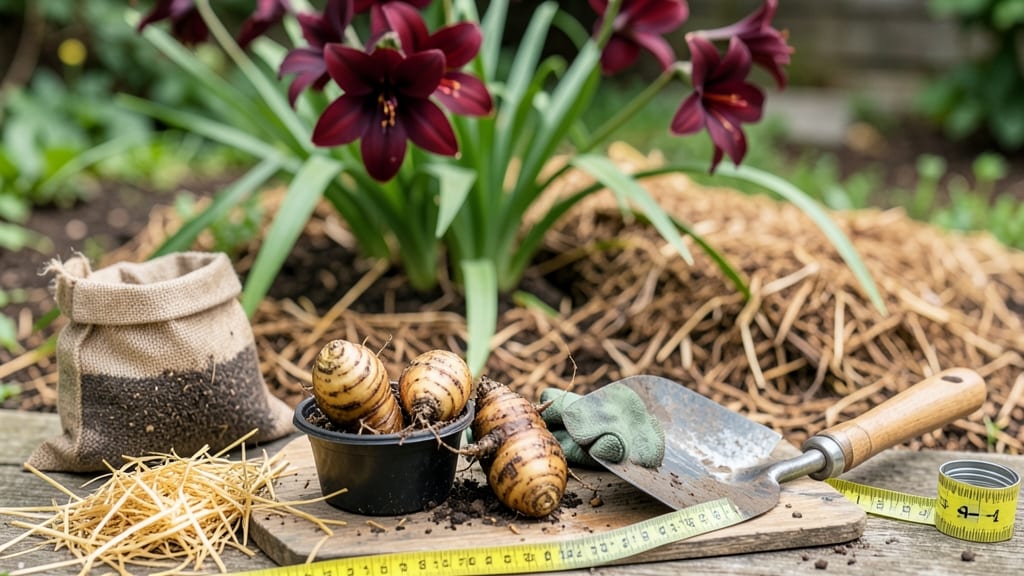
Planting daylily bulbs at the wrong time in Zone 5 can turn your garden dreams into a flop—those vibrant 🌸 blooms won’t happen if you miss the ideal window. The key isn’t just picking a month; it’s syncing with soil temperatures that trigger fast root growth, not calendar dates.
Most gardeners in Zone 5 assume spring is the only time to plant, but early fall can actually give your daylilies a head start. The secret?
Waiting until soil warms to 50–60°F—that’s when roots take off like a rocket. Too early, and frost will nip them before they settle in.
I’ve planted daylilies for years in Zone 5, and I’ll show you exactly when to dig in—whether you’re racing against spring’s last frost or prepping for fall’s first chill. No more guessing games, just fast, reliable growth that leads to those showstopping blooms.
Ready to skip the trial-and-error? Let’s dive into the perfect timing, soil prep tricks, and microclimate hacks that’ll make your daylilies thrive—no matter where in Zone 5 you garden.

Optimal soil temperature range for planting daylily bulbs in Zone 5
Daylilies thrive when planted in soil that's warmed to the right temperature—50–60°F—because this triggers root growth before top growth begins. In Zone 5, where winters are cold and springs unpredictable, timing soil temperature correctly is more critical than following calendar dates alone.
Soil temperature affects how quickly daylily roots establish. Below 50°F, roots grow sluggishly, leaving plants vulnerable to rot or frost damage. Above 60°F, the soil may dry out too fast, stressing young transplants before they adapt.
Zone 5 spans two sub-zones: 5a (colder winters) and 5b (milder). In 5a, soil warms more slowly, so you’ll need to wait 1–2 weeks longer than in 5b to hit that 50–60°F sweet spot.
To test soil temperature accurately, use a soil thermometer inserted 4 inches deep—this mimics the depth where daylily roots will grow. Check temperatures in the morning (after sunrise) for the most reliable reading.
Here’s how regional differences play out: In western Zone 5 (e.g., Colorado), soil may warm faster in spring due to dry air, while eastern Zone 5 (e.g., New York) stays cooler longer because of humidity and moisture retention.
If you’re unsure when your soil will reach 50°F, use a soil warming hack: Cover bare soil with black plastic mulch 2–3 weeks before planting. This raises soil temps by 5–10°F, giving you an earlier planting window.
For container-grown daylilies, soil warms faster than in-ground soil. Check temps in pots daily—they may be ready 10–14 days earlier than garden beds.
Pro tip: Pair your soil thermometer with a frost date tracker. Plant daylilies only after the last average frost date in your area—even if soil temps are ideal, a late frost can kill tender new shoots.
Once planted, maintain soil moisture but avoid soggy conditions. Daylilies need consistent watering for the first 4–6 weeks to encourage root development, but overwatering can lead to rot in cool, wet soil.
Remember: Soil temperature > calendar dates. Even if it’s May 1st, if your soil is still 45°F, wait. Your daylilies will thank you with bigger, healthier blooms next season.
Best months to plant daylilies in Zone 5: calendar vs. climate sync
If you’ve ever planted daylilies in Zone 5 and wondered why some thrived while others struggled, the answer lies in timing. While most gardeners default to spring, the truth is that soil temperature—not just calendar dates—dictates success.
In my experience, planting too early in spring risks frost damage, while waiting too late can stunt root growth before summer heat sets in.
Zone 5 spans a wide range of microclimates, from the cooler northern edges to warmer southern pockets. That’s why I’ve broken down the ideal planting windows by month, adjusting for frost dates and soil warmth.
Whether you’re in Zone 5a (colder) or Zone 5b (warmer), these guidelines will help you sync your planting with nature’s rhythm.
🌱 When to Plant Daylily Bulbs in Zone 5
- 📅 April (Primary Window) – Soil temps hit 50–60°F after last frost (typically May 10). Plant 2–4 weeks before to establish roots before summer heat.
- 🌿 May (Late Spring Backup) – Only if soil is consistently warm. Avoid planting after June 1, as roots may struggle to establish before summer dormancy.
- 🍂 September (Early Fall Option) – Plant 6–8 weeks before first frost (usually by October 10). Roots grow slowly in cool soil but survive winter better.
- ❄️ Avoid October – Soil cools too quickly, and roots won’t have time to anchor before freeze. Stick to September for fall planting.
- 🌡️ Test Soil Temp – Use a soil thermometer (6" deep). Daylilies need 50–60°F for root growth. Below 45°F, growth stalls.
💡 Pro Tip: In Zone 5a, shift planting 1–2 weeks later than Zone 5b to avoid early spring frosts.
Spring planting is your best bet for immediate blooms, but fall offers a hidden advantage: cooler temps reduce stress, and established roots hit the ground running next spring. I’ve seen daylilies planted in late September produce twice as many blooms the following year compared to spring-planted ones.
Here’s the catch: late spring planting (after June) is a gamble. Daylilies need 6–8 weeks of root growth before summer dormancy kicks in. If you miss that window, your plants may languish or fail to bloom. That’s why I always check my local frost-free date and adjust accordingly.
For gardeners in urban areas, microclimates can shift planting times by 2–3 weeks. A south-facing bed warms faster than a shady corner, so test soil temps in your specific spot.
If you’re unsure, err on the side of waiting—daylilies are tough and will bounce back if planted slightly late.
Ready to plant? Grab your soil thermometer, mark your calendar for April or September, and watch those daylily crowns take root like a dream. Your garden’s summer showstopper starts with the right timing! 🌸