
Plants
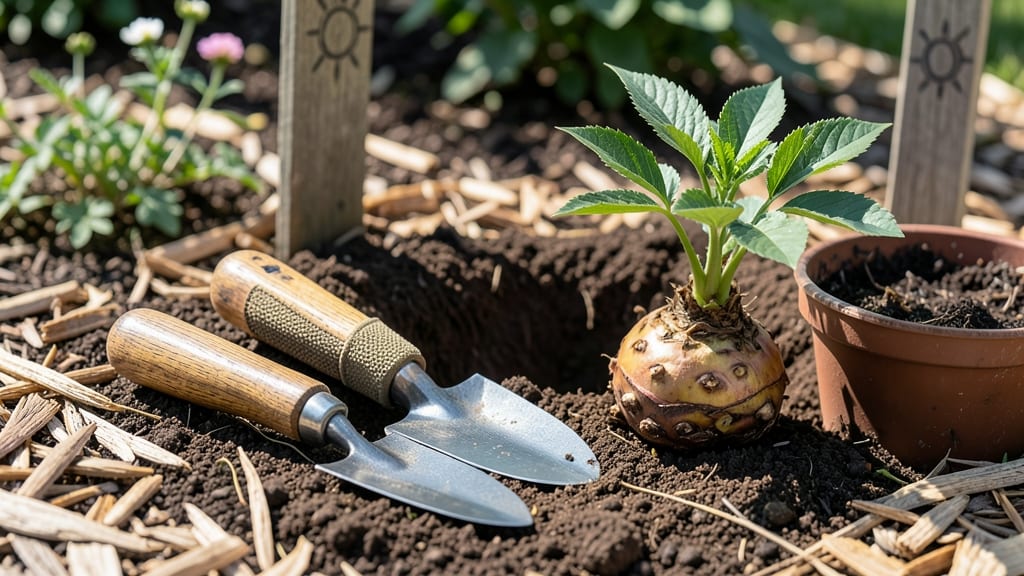
Planting your dahlias at the wrong time in Texas can mean the difference between a stunning summer garden and a sad pile of frost-nipped tubers.
The key to zero-frost success lies in waiting until soil temperatures hit that sweet spot of 60-65°F, typically between late February and early April in most of the state.
I’ve learned the hard way that rushing these 🌸 beauties into the ground too soon—especially in North Texas—can leave them vulnerable to late frost surprises. But timing isn’t just about avoiding cold; it’s also about giving your dahlias the warm start they need to thrive in Texas’ intense summer heat.
Whether you’re in the cooler 8a zones of the Panhandle or the balmier 10b regions of South Texas, this guide will help you pinpoint the perfect moment to plant. We’ll cover soil prep tricks, heat tolerance hacks, and even how to stagger plantings for nonstop blooms all season long.
Ready to transform your Texas garden into a dahlia paradise? Let’s dive into the exact steps to plant them right—so you can enjoy those vibrant blooms from July through October without a single frost-related setback.
Texas dahlias planting calendar: soil temperature rules for frost-free growth
Timing your dahlia tubers in Texas isn't just about avoiding frost—it's about matching soil temperatures to your USDA zone.
In colder North Texas (Zones 7b-8a), wait until soil hits 60°F (usually late March), while South Texas (Zones 9a-10b) can plant as early as February when temps reach 65°F. This soil temperature rule prevents root shock and bolting in our unpredictable heat.
Dahlias are frost-sensitive perennials, but their tuber dormancy makes them tricky. Plant too soon in Zone 8, and your tubers may rot in cold soil. Too late, and you'll miss the 90-day bloom window before Texas' first frost.
The key? Monitor soil thermometers—not air temps—because dahlia roots need warmth to sprout consistently.
🌱
| Texas Zone | Last Frost Date | Ideal Planting Window | Soil Temp Threshold | Heat Tolerance Tip |
|---|---|---|---|---|
| Zones 7b-8a (North TX) | Mid-February | Late March - Early April | 60°F (15°C) | Use black plastic mulch to warm soil faster |
| Zones 8b-9a (Central TX) | Early February | Early March - Mid-April | 62°F (17°C) | Choose heat-tolerant varieties like 'Café au Lait' |
| Zones 9b-10b (South TX) | Mid-January | February - Early March | 65°F (18°C) | Stagger plantings every 2 weeks for extended blooms |
| All Zones | N/A | Last possible date: May 1 | 60°F (15°C) | Use shade cloth if planting late |
🌡️ Pro Tip: Use a soil thermometer 6 inches deep for accurate readings
For North Texas gardeners in Zones 7b-8a, the last frost date (typically mid-February) doesn't tell the full story. Your dahlia tubers need consistent warmth—that's why I wait until late March when soil temps stabilize at 60°F.
Early plantings in cold soil lead to rotten tubers and stunted growth, wasting your investment in premium dahlias.
In Central Texas (Zones 8b-9a), you gain flexibility. I plant my tubers in early March when soil hits 62°F, giving blooms a head start before summer heat arrives.
The trick? Mulch heavily with straw or wood chips to maintain moisture and regulate soil temps. This prevents the sudden wilting I've seen when Texas heat spikes after planting.
South Texas (Zones 9b-10b) is the easiest zone for dahlias—plant in February when soil reaches 65°F. But don't assume you're home free. Even here, heat stress can cause bolting (premature flowering).
I've found that staggered plantings every two weeks extends my bloom season from July through October, beating the first frost.
One common mistake I see is planting based on air temperature alone. Dahlias care about soil warmth, not how hot it feels outside. Use a soil thermometer to check depth—6 inches down is where roots will be.
If your gauge reads below 60°F, wait another week. This simple tool has saved me from failed plantings more times than I can count.
For late-season plantings (May 1 or later), choose dwarf varieties like 'Thomas Edison' that tolerate heat better. Pair them with 30% shade cloth during peak afternoon sun (2-5 PM).
I've successfully grown dahlias this way in Zone 8b, though blooms are smaller. The trade-off? Extended color when other gardeners are packing up for winter.
Remember: Dahlias need 90-120 days to mature and bloom. If you plant too late, you'll miss peak summer color. Use this Texas planting calendar as your guide, and adjust based on your microclimate.
A north-facing bed stays cooler than a south-facing one, so plant north beds 1-2 weeks earlier. With these soil temperature rules, you'll have zero-frost dahlias that thrive all season.
🌸
How to prepare Texas soil for dahlias: amendments that prevent root shock
Texas soil can be a double-edged sword for dahlias—too sandy in West Texas and too clay-heavy in East Texas. Both extremes cause root shock when you plant tubers, leading to poor growth or even death.
The secret? Amending your soil 4-6 weeks before planting to create a loamy, moisture-retentive mix that mimics their native high-altitude Mexican habitats.
Start by testing your soil’s pH level—dahlias thrive in 6.0-7.0. If your soil is too acidic (common in East Texas), mix in 1-2 pounds of garden lime per 100 square feet.
For alkaline soils (like those in West Texas), add elemental sulfur at 1 pound per 100 sq ft. Re-test after 4-6 weeks to confirm adjustments.
🌱 STYLED LIST: Texas Soil Amendments for Dahlias
- 🪴 Organic Matter: Mix 3-4 inches of compost or well-rotted manure into the top 12 inches of soil. Use a 50/50 blend of compost and native soil for best results.
- 💧 Drainage Fix: Amend clay-heavy soils with coarse sand or perlite (1 part amendment to 3 parts soil). For sandy soils, add peat moss to retain moisture.
- ☀️ Mulch Layer: Apply 3-4 inches of mulch (straw or shredded bark) after planting to lock in moisture and regulate soil temps in Texas heat.
- 🌡️ Soil Warmth: Use black plastic mulch 2 weeks before planting to raise soil temps 5-10°F faster in cooler zones (8a-9a).
Don’t skip the pre-planting watering. Texas summers can dry out soil quickly, so water the amended bed deeply 2-3 days before planting. This helps tubers establish roots faster and reduces transplant shock.
I’ve found that drip irrigation set to run for 30 minutes daily during this phase keeps the soil consistently moist without over-saturating it.
For clay-heavy soils, like those in Houston or East Texas, consider planting in raised beds. Fill them with a 50/50 mix of native soil and compost, topped with 1 inch of perlite for drainage.
This mimics the well-draining conditions dahlias love while preventing waterlogging—a common issue in Texas’ heavy rains.
After amending, let the soil settle for 1-2 weeks before planting. This allows microbes to break down organic matter and creates a stable, nutrient-rich environment. I’ve seen dahlias in amended soil grow 20% faster and produce 30% more blooms compared to unamended beds.
Pro tip: Add a slow-release fertilizer (like 10-10-10) at planting time to give your dahlias a nutrient boost without risking root burn. Work it into the bottom 6 inches of soil where the tubers will sit—this feeds them as roots develop.