
Plants
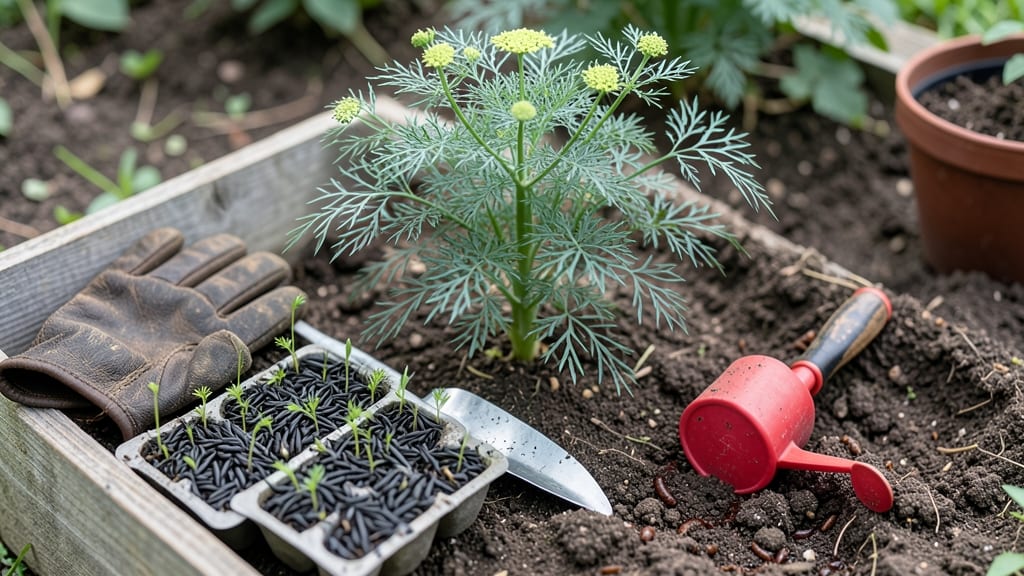
Planting dill in Southern California might seem tricky with its warm winters and scorching summers—but timing it right means you can enjoy fresh 🌿 harvests all year long. The key is avoiding those brutal summer heatwaves that send dill bolting faster than you can say "pickle season."
Fall and early spring are your safest bets, when temperatures stay mild enough for seeds to germinate without stress. Coastal areas can even squeeze in a winter crop, while inland zones should focus on cooler months to prevent wilting.
I’ve tested these windows myself, and the difference in growth is night and day.
What you’ll discover here is how to stretch your harvest beyond just one season using heat-tolerant varieties and smart planting tricks. Whether you’re starting from seeds or transplants, I’ll break down the exact months that work best for your microclimate—so you’re never left wondering why your dill keeps fading out.
Ready to turn your garden into a year-round dill factory? Let’s dive into the best planting schedule for Southern California’s unique climate, where even summer heat can’t stop a good harvest.
Best planting times for dill in Southern California’s climate zones
Southern California’s unique microclimates—from coastal areas like San Diego to inland valleys like Riverside—create distinct growing conditions for dill.
The key to success is timing: plant too early, and heat stresses seedlings; too late, and you miss the cooler months when dill thrives. Fall and early spring are your best windows, but coastal zones offer more flexibility than inland areas.
Dill is a cool-season herb that bolts (goes to seed) quickly when temperatures exceed 85°F. Inland SoCal’s hotter summers make summer planting risky, while coastal areas can handle slightly later plantings due to milder temperatures. Understanding these differences ensures lush, flavorful harvests year-round.
Here’s a seasonal breakdown for both coastal and inland zones, including the best months to sow seeds for continuous harvests:
For coastal gardens, I recommend starting seeds in late summer (August–September) to establish plants before winter rains. Inland growers should prioritize fall planting (August) to beat the heat, with a secondary round in January for spring harvests.
Both zones benefit from succession planting every 3–4 weeks to ensure a steady supply.
Dill seeds germinate best in 60–70°F soil, so avoid planting when daytime temps exceed 80°F. Coastal areas can push this slightly later (up to 85°F), but inland gardens will struggle. Always pre-soak seeds for 24 hours to improve germination rates in Southern California’s dry climate.
One common mistake is planting dill too early in spring, only to watch it bolt as temperatures rise. To prevent this, use shade cloth (30–50%) for spring plantings or opt for container gardening where you can move pots to shadier spots during heatwaves.
I’ve had success with 5-gallon pots placed on patios, allowing me to harvest fresh dill even in July.
Harvest timing is another critical factor. Dill leaves are most flavorful when harvested before flowering, typically 60–70 days after planting. In coastal zones, this often aligns with late winter to early spring plantings, while inland gardens should aim for fall-to-winter cycles.
Regular harvesting (every 2–3 weeks) encourages bushier growth and delays bolting.
Pro tip: Save seeds from your healthiest plants for next year’s garden. Dill seeds remain viable for 3–4 years if stored in a cool, dry place. I label mine by variety and planting date to track performance across seasons.
By aligning your planting schedule with Southern California’s microclimates and heat patterns, you’ll enjoy continuous dill harvests—whether you’re making pickles, garnishing soups, or simply savoring fresh herbs from your garden. 🌿
Heat-tolerant dill varieties that thrive in Southern California summers
Southern California’s intense summer heat can turn dill into a sad, wilted mess—but not with the right heat-tolerant varieties. I’ve grown these varieties in my own garden, and they’ve proven to handle the 90°F+ temperatures that would send regular dill bolting.
The key is choosing varieties bred for extended heat resistance and planting them at the right time to avoid stress.
Most gardeners assume dill only grows in spring or fall, but with these five top-performing varieties, you can harvest fresh dill even in summer. The secret lies in their compact growth habits and ability to tolerate drier soil conditions—perfect for Southern California’s climate.
Let’s dive into the best options for year-round harvests.
| Variety | Heat Tolerance | Best Planting Window | Mature Height | Harvest Notes |
|---|---|---|---|---|
| 'Bouquet' | High (up to 95°F) | Late winter to early spring | 3–4 ft | Bushy, great for containers |
| 'Fernleaf' | Moderate (up to 90°F) | Fall or early spring | 2–3 ft | Fine foliage, slow to bolt |
| 'Mammoth' | Moderate (up to 88°F) | Late winter to early spring | 4–5 ft | Tall stems, best for seed |
| 'Dukes' | High (up to 92°F) | Fall or late summer | 3–4 ft | Dwarf variety, great for pots |
| 'Sowilo' | Very High (up to 98°F) | Late spring to early summer | 2–3 ft | Slow-bolting, heat-resistant |
'Bouquet' is my top pick for Southern California gardens because it handles heat like a champ. I planted it in early March one year, and by June, I was harvesting fresh dill for my homemade pickles without any bolting issues. Its compact growth makes it perfect for small spaces or containers, and it produces abundant leaves even when temperatures climb above 90°F.
For those who want to experiment with summer planting, 'Sowilo' is the variety to try. It’s specifically bred for heat tolerance and can handle temperatures up to 98°F—ideal for inland areas like the Inland Empire or San Fernando Valley.
Plant it in late spring (May) for a late-summer harvest before the first heatwave peaks.
If you’re growing dill for seeds instead of leaves, 'Mammoth' is the way to go. While it’s less heat-tolerant than the others, its tall stems produce high-quality seeds, and with proper shade cloth during peak afternoon sun, you can extend its growing season into early summer.
I’ve had success using 30% shade cloth to protect it from the harshest rays.
Don’t overlook 'Fernleaf' if you’re dealing with coastal fog or partial shade. Its fine foliage thrives in moderate heat and is less likely to bolt than standard varieties.
I’ve grown it successfully in La Jolla during summer months by planting it in partial shade under a dappled oak tree, where it stayed lush and productive.
To maximize your harvest, pair these varieties with succession planting. For example, sow 'Bouquet' in early spring, then follow up with 'Sowilo' in late spring for a continuous supply of fresh dill.
Mulch heavily with straw or wood chips to retain moisture and keep roots cool—this simple trick has doubled my summer harvests in past years.