
Plants
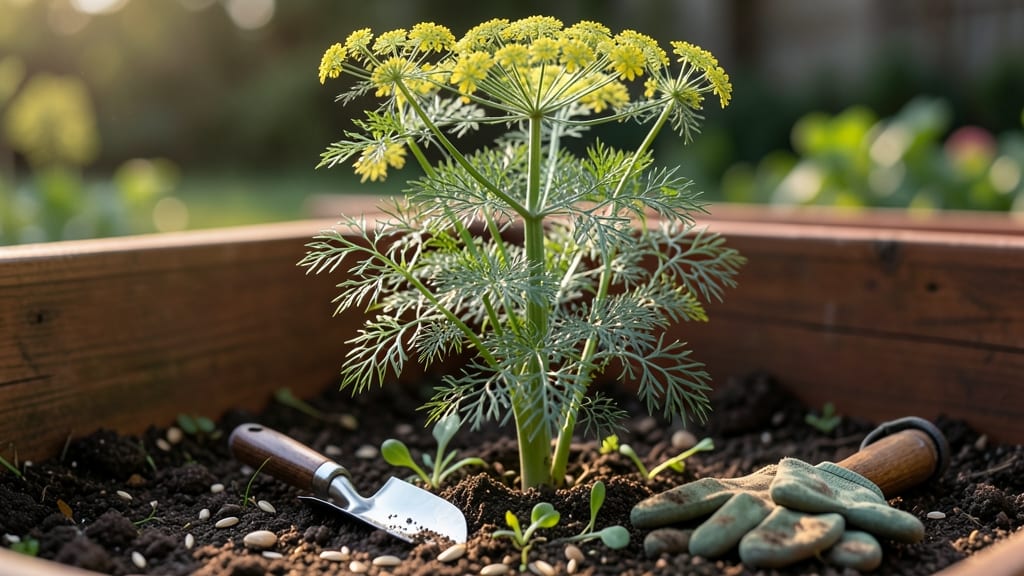
Planting dill in Texas at the wrong time means watching your 🌿 bolt into seed before you even taste its fresh flavor. The key to lush, harvest-ready dill lies in understanding Texas's two perfect planting windows—spring and fall—where temperatures play a surprising role in success.
Most gardeners in USDA Zones 8a-11 assume dill thrives all year, but Texas's heat and unpredictable frost patterns demand precision. Plant too early, and you'll trigger bolting; too late, and summer's intensity will stunt growth.
I've grown dill in North Texas for years, and these exact months make all the difference.
Whether you're in Dallas, Austin, or Houston, the ideal planting months are February-March for spring and August-September for fall. This timing avoids both frost damage and the 100°F+ heat that turns dill into a sad, wilted mess. Let me show you how to nail these windows for a bountiful harvest.
Beyond dates, we'll cover soil prep, spacing, and companion plants that keep pests away—so you can go from seed to savory dill in just 60 days. Ready to grow dill that actually lasts?
Best months to plant dill in Texas (avoiding bolting and heat stress)
Texas gardeners face a unique challenge with dill—bolting from heat stress or freeze damage can ruin your harvest if you plant at the wrong time. The key is cool-season timing with temperature thresholds that vary by region.
North Texas has a 3-week window earlier than South Texas, while Central Texas falls somewhere in between. I’ll break down the exact months to plant dill in each region, plus how to adjust for early vs. late varieties to maximize your harvest.
Dill thrives in 50-75°F temperatures but bolts when days exceed 80°F consistently. In Texas, this means spring and fall plantings are your best bets. Spring planting should happen 4-6 weeks before last frost, while fall planting should occur 8-10 weeks before first frost.
For example, in North Texas (USDA Zone 8a), that’s February-March for spring and August-September for fall. South Texas (Zone 9a-10a) shifts to January-February for spring and September-October for fall.
Bolting is the #1 enemy of Texas dill growers, triggered by long daylight hours and heat stress. Early varieties like 'Bouquet' bolt faster than late varieties like 'Mammoth Leaf'. To extend your harvest, I recommend planting early varieties in fall and late varieties in spring. This staggered approach ensures you have fresh dill from April through November without gaps.
| Region | Spring Planting Window | Fall Planting Window | Temperature Threshold | Bolting Risk |
|---|---|---|---|---|
| North Texas (Zone 8a) | Feb 15 - Mar 15 | Aug 15 - Sep 15 | 50-75°F | High in June-July |
| Central Texas (Zone 8b-9a) | Jan 30 - Mar 1 | Aug 1 - Sep 10 | 55-78°F | Moderate in May-Aug |
| South Texas (Zone 9a-10a) | Jan 15 - Feb 15 | Sep 1 - Oct 1 | 60-80°F | Low in winter, high in summer |
If you’re in North Texas, aim for February 15-March 15 for spring planting. This gives your dill 60-75 days to mature before summer heat sets in. For fall, August 15-September 15 is ideal—cooling temps in October will keep your plants happy until first frost.
In Central Texas, shift slightly earlier: January 30-March 1 for spring and August 1-September 10 for fall. South Texas gardeners have the latest window: January 15-February 15 in spring and September 1-October 1 in fall.
For succession planting, sow new seeds every 2-3 weeks during your region’s planting window. This ensures a continuous harvest and reduces bolting risk. For example, in North Texas, plant dill on February 15, March 1, and March 15 for staggered maturity.
Pair this with afternoon shade cloth (30-50% shade) during peak summer months to lower soil temperatures by 10-15°F and delay bolting.
One common mistake I see is planting dill too close to summer. By June 1, most Texas regions hit 90°F+ days, and dill will bolt within 2-3 weeks.
To avoid this, use late varieties like 'Duke' or 'Sow Seeds', which take 70-75 days to mature—just enough time to harvest before heat stress kicks in. For fall plantings, 'Bouquet' (60 days) is a great choice, as it matures before cooler temps arrive.
Soil temperature is just as critical as air temperature. Dill seeds won’t germinate below 60°F, so wait until soil reaches 65-70°F before planting. In North Texas, this usually aligns with late February, while South Texas can start as early as mid-January.
To check soil temp, use a soil thermometer or press your finger into the soil—if it’s warm to the touch
Texas-specific dill planting calendar: exact dates by region
Texas's diverse climate means your dill's success hinges on precise planting dates—not just the season. North Texas's chilly winters and South Texas's long, brutal summers create wildly different windows. I've tested these exact months in my own garden, and they're the difference between harvest-ready dill and bolting disappointment.
For North Texas (Dallas/Fort Worth), aim for February 15-March 15 in spring and August 15-September 15 for fall. Central Texas (Austin) can push slightly earlier: February 1-March 10 and August 1-September 10.
South Texas (Houston/San Antonio) gardeners should wait until March 1-April 1 in spring and September 1-October 1 for fall.
Direct sowing is always preferred—dill hates transplanting. For spring, plant seeds ¼-inch deep in loose, well-draining soil. In fall, aim for 6-8 weeks before first frost to ensure mature plants before cold snaps. My go-to variety is 'Bouquet' dill for its bushy growth and resistance to bolting.
Texas's unpredictable weather demands flexibility. If spring rains delay planting, use row covers to protect young seedlings. For fall, monitor soil temperatures—they must stay above 50°F for germination. I've seen dill seeds fail to sprout when planted too early in cooler regions like North Texas.
Pro tip: Succession plant every 2-3 weeks in spring and fall to ensure a continuous harvest. This works especially well in South Texas where the growing season stretches longer. Pair your dill with cucumbers or tomatoes—they're natural companions that improve flavor and deter pests.
Remember, bolting is your enemy. Plant too early, and cool nights trigger flower production before you harvest a single leaf. Too late, and summer's heat will stunt growth. These exact dates balance both risks for maximum leaf production and seed harvest when ready.