
Plants
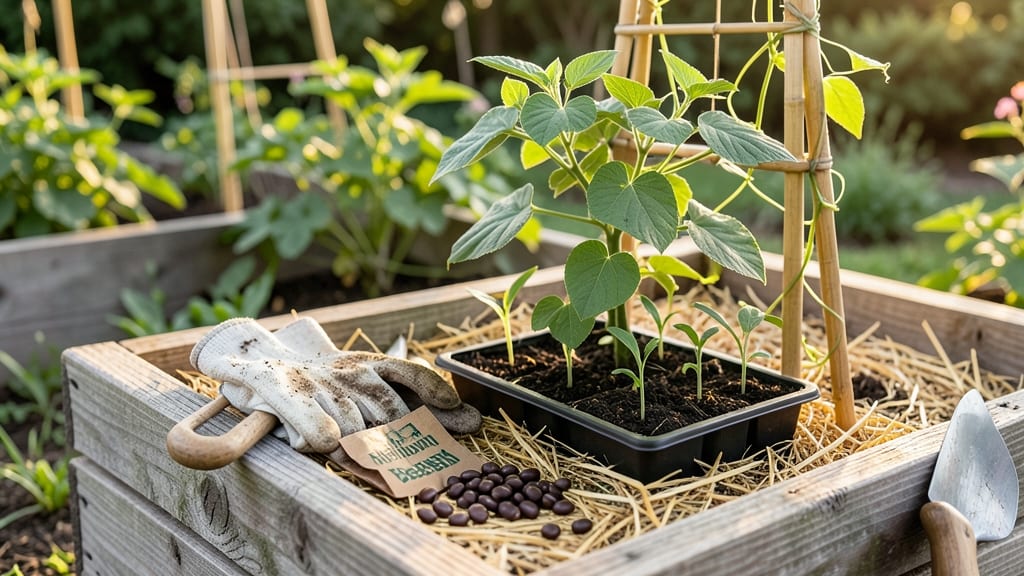
Planting beans in Southern California at the wrong time could mean watching your seeds fizzle under the scorching sun or rot in unexpected coastal fog—both are real risks here.
The key to success lies in understanding your microclimate, whether you're in the desert's dry heat or the coastal breeze's cooler embrace.
I've grown beans in 9b-11 zones for years, and I can tell you: timing matters more than most gardeners realize. For most of Southern California, the ideal window opens in late March to early April for spring plantings, but inland areas can start slightly earlier.
The secret? Wait until soil temperatures hit at least 60°F—that's when your 🌱 beans will really take off.
Don't let the region's diversity fool you—whether you're growing bush beans, pole beans, or heirloom varieties, each type has its own sweet spot.
I'll break down exactly when to plant in your specific area, plus how to adjust for those pesky heatwaves or unexpected rains that can throw off even the best-laid plans.
Ready to turn your garden into a bean bonanza? Let's dive into the exact weeks you should be planting based on where you live—and how to give your beans the perfect head start for a harvest that'll make your neighbors jealous.
Best planting weeks for beans in Southern California microclimates
Southern California's diverse microclimates create unique challenges—and opportunities—for growing beans. From the cooler coastal areas to the scorching desert valleys, timing your plantings correctly ensures healthy growth and abundant harvests.
Unlike many regions, we don't have to worry about frost, but heat stress and soil temperature become critical factors in determining the perfect planting window for each variety.
Whether you're growing pole beans, bush beans, or runner beans, understanding your specific microclimate helps you avoid common pitfalls like stunted growth or poor pod development. The key is planting when soil temperatures consistently reach 60°F or higher—this threshold ensures strong germination and root establishment.
Let's break down the ideal planting weeks for each region in Southern California.
🌱 Pro Tip: Always test your soil temperature with a thermometer before planting. Soil that's too cool can lead to slow germination and disease susceptibility.
| Region | Best Planting Weeks | Ideal Soil Temp | Variety Recommendations | Harvest Window |
|---|---|---|---|---|
| Coastal (LA, San Diego) | Late Feb - Early Apr Late Aug - Mid Sep |
60-65°F | Blue Lake, Contender, Kentucky Wonder | May-Jun, Oct-Nov |
| Inland Empire (Riverside, San Bernardino) | Mid Mar - Early Apr Mid Aug - Late Sep |
65-70°F | Roma, Black Valentine, Scarlet Runner | Jun-Jul, Oct-Nov |
| Desert (Palm Springs, Joshua Tree) | Late Mar - Early Apr Late Aug - Early Sep |
70-75°F | Heat-tolerant varieties: Bush Blue Lake, Rattlesnake | May-Jun, Sep-Oct |
| Central Valley (Bakersfield, Fresno) | Early Mar - Mid Apr Late Aug - Early Oct |
65-70°F | Pole beans: Blue Lake, Contender; Bush: Black Turtle | Jun-Jul, Oct-Nov |
For coastal areas like Los Angeles and San Diego, the cooler marine influence extends the growing season. You can start planting as early as late February for spring crops, but be prepared for occasional coastal fog that may delay germination.
The fall planting window typically runs until mid-September, allowing for a second harvest before winter rains arrive.
Inland regions like the Inland Empire and Central Valley experience warmer soil temperatures earlier in the year. Here, mid-March to early April is ideal for spring plantings, while fall plantings can extend until late September.
These areas benefit from longer daylight hours and more intense sunlight, which helps beans mature faster.
Desert areas present unique challenges due to their extreme heat and rapid temperature swings.
Planting should be timed for late March to early April in spring and late August to early September in fall. Heat-tolerant varieties like Bush Blue Lake perform best here, as they can withstand the intense afternoon sun without bolting prematurely.
Regardless of your location, always aim to harvest your beans before the hottest summer months (July-August). High temperatures can cause beans to bolt prematurely or develop bitter flavors. For a continuous supply, consider succession planting—sow new seeds every 2-3 weeks during the optimal planting windows.
One final tip: Runner beans require more warmth and a longer growing season. In cooler coastal areas, wait until mid-April for spring plantings and focus on fall plantings in September to ensure they mature before winter rains.
These vining varieties thrive with trellis support and benefit from consistent moisture during their 60-70 day growth cycle.
By following these region-specific guidelines, you'll maximize your bean harvests while avoiding common pitfalls like heat stress or poor germination. Happy planting! 🌱
How to adjust planting times for Southern California’s unpredictable weather
Southern California’s weather can shift faster than a coastal breeze changes direction—one day you’re battling 100°F heatwaves in the desert, and the next, morning fog lingers in Malibu like a damp blanket.
For beans, this unpredictability means your planting window isn’t just a month or two; it’s a sliding scale that demands flexibility. I’ve learned the hard way that planting too early in coastal areas risks soil-borne diseases, while inland gardeners often face heat stress if they wait too long.
Your first line of defense? A soil thermometer. Beans need soil temperatures of at least 60°F to germinate properly—any cooler, and your seeds will sulk in the dirt.
Inland areas like Palm Springs often hit this mark by mid-February, while coastal spots like Santa Barbara may need to wait until late March. The key is checking temperatures morning and evening for consistency, not just relying on air temps.
⚠️ callout warning ⚠️
If you're in coastal Southern California (e.g., San Diego, Santa Monica), don’t let persistent morning fog fool you—soil temps can stay below 60°F for weeks even when skies clear. Use a clear plastic cover over seed beds to warm soil faster, or opt for black plastic mulch to raise temps by 5-10°F. Planting too early in foggy conditions risks damping-off disease, which can wipe out seedlings overnight.
✅ Pro Tip: Test soil temps for 3 consecutive days before planting.
For inland heatwaves, the opposite problem arises. Areas like Riverside or Bakersfield can see 90°F+ soil temps by early May, which stresses young bean plants. My solution? Succession planting in partial shade (using shade cloth) for the first 2 weeks after sowing.
This buys time for seedlings to establish roots before transitioning them to full sun. Another trick: plant heat-tolerant varieties like 'Contender' or 'Black Valentine', which handle 95°F+ better than standard green beans.
Don’t overlook late-season rains, either. Even in drought-prone areas, October-November can bring unexpected downpours that turn your garden into a mud pit. If you’re planting fall beans (a smart move for a second harvest!), choose well-draining soil and raise beds slightly to prevent waterlogging.
I’ve had pole beans topple over in heavy rains—adding stakes or trellises early gives them stability when storms hit.
Finally, embrace frost-free succession planting. Since Southern California rarely sees frost, you can plant beans every 2-3 weeks from March through October for continuous harvests.
Just adjust your timing based on soil moisture: if the ground stays soggy after rains, wait until it dries out before sowing new seeds. A simple finger test (dig 2 inches deep—if it’s damp but not wet, it’s ready) saves countless wasted seeds.
Remember, your local nursery knows the microclimate quirks best—ask when they see their best germination success. With these adjustments, you’ll turn Southern California’s weather chaos into your bean-growing advantage. 🌱