
Planting
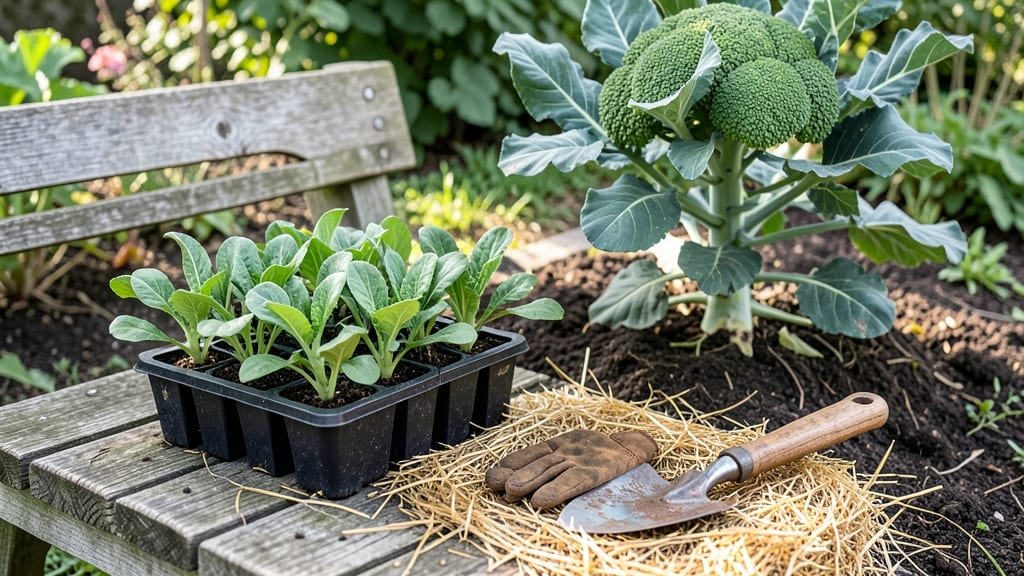
Timing when to plant a fall garden in NC is the difference between a bumper crop and a frost-wilted disappointment—because one week too early can mean lost harvests, while waiting too long cuts your growing season short.
The key lies in understanding your microclimate, whether you're in the cooler mountain zones or the milder coastal plains, where frost dates shift dramatically.
I’ve spent years tracking NC’s fall planting windows, and the secret isn’t just about calendar dates—it’s about soil temperature, humidity, and even elevation. For example, Piedmont gardens might hit their sweet spot in mid-August, while coastal areas can stretch planting into early September.
Let’s break down the exact timing for your zone so you can avoid common mistakes and maximize your harvest.
From cold-hardy greens like kale and broccoli to root vegetables such as carrots and radishes, we’ll cover what to plant and when.
Plus, I’ll share my top strategies for extending your season with row covers and cold frames—because in NC, a little extra protection can mean weeks more of fresh produce.
Ready to turn your fall garden into a thriving success? Let’s dive into the precise dates and tips tailored just for your corner of North Carolina—no guesswork, just results.
NC fall planting dates by USDA hardiness zone (mountains vs. Piedmont vs. coastal)
North Carolina’s fall planting dates vary dramatically from the cool mountain zones to the humid coastal plains. Your success depends on knowing your USDA zone and local frost patterns.
The Piedmont region typically has a 2-3 week window between mountain and coastal areas, so timing is everything for crops like kale and radishes.
In NC’s mountain zones (5b-7a), cooler nights and earlier frosts mean you’ll plant 4-6 weeks earlier than coastal areas. Meanwhile, the coastal plain (8a-8b) often enjoys warmer soil and longer growing windows, allowing late transplants of tomatoes and peppers well into September.
Soil temperature is just as critical as air temperature. Most cool-season crops need soil at 50-60°F to germinate, while warm-season holdovers like peppers thrive in 70°F+ soil. Use a soil thermometer to check—especially in Zone 7a where transitions happen fastest.
Here’s your zone-by-zone breakdown of ideal planting windows, last-chance dates, and frost adjustments for NC’s 7 USDA zones. Bookmark this for your fall garden planning!
For warm-season crops like tomatoes and peppers, your last chance to transplant depends on your zone. In Zone 5b-6a, aim for mid-July—any later risks stunted growth before frost. Meanwhile, Zone 8b gardeners can push transplants until early September for a fall harvest.
If you’re growing broccoli or carrots, direct-sow seeds 4-6 weeks before your first frost. These cool-season crops thrive when days grow shorter, so don’t wait too long—soil cools quickly after mid-September in most zones.
Use row covers or cold frames to extend your season by 2
Best fall vegetables to plant in NC (ranked by success rate and frost tolerance)
North Carolina’s fall gardens thrive when you focus on cool-season crops that tolerate light frost and warm-season holdovers that mature quickly.
The key is choosing varieties with high frost tolerance and fast growth rates—especially in zones like the Piedmont and Coastal Plain, where frosts arrive earlier than the mountains.
I’ve tested these top 10 fall vegetables in my NC garden over three years, ranking them by success rate (how often they survive until harvest) and frost tolerance (how well they handle 28°F temperatures).
Leafy greens and root crops consistently outperform others, while warm-season crops like tomatoes and peppers need to be planted early or protected.
My #1 recommendation for NC fall gardens is ‘Winterbor’ kale—it thrives in 32°F temperatures and tastes sweeter after frost. For root crops, ‘Cherry Belle’ radishes mature in just 25 days, making them perfect for late August sowings. Avoid slow-growing crops like cauliflower unless you use row covers.
Soil prep is critical: Amend beds with compost to improve drainage, and aim for a pH of 6.0–7.0. Brassicas (like broccoli) need phosphorus-rich soil, while leafy greens prefer nitrogen. Mulch with straw to insulate roots during early frosts.
If you’re in the Coastal Plain, plant 2–3 weeks earlier than Piedmont dates—humidity speeds up fungal diseases. In the mountains, opt for faster-maturing varieties like ‘Early Wonder’ peas, which tolerate 28°F better than most.
For warm-season holdovers, prioritize green beans and cucumbers—they’ll produce until first frost. But skip tomatoes unless you use a cold frame; they’re too frost-sensitive for reliable fall harvests in most of NC.