
Plants
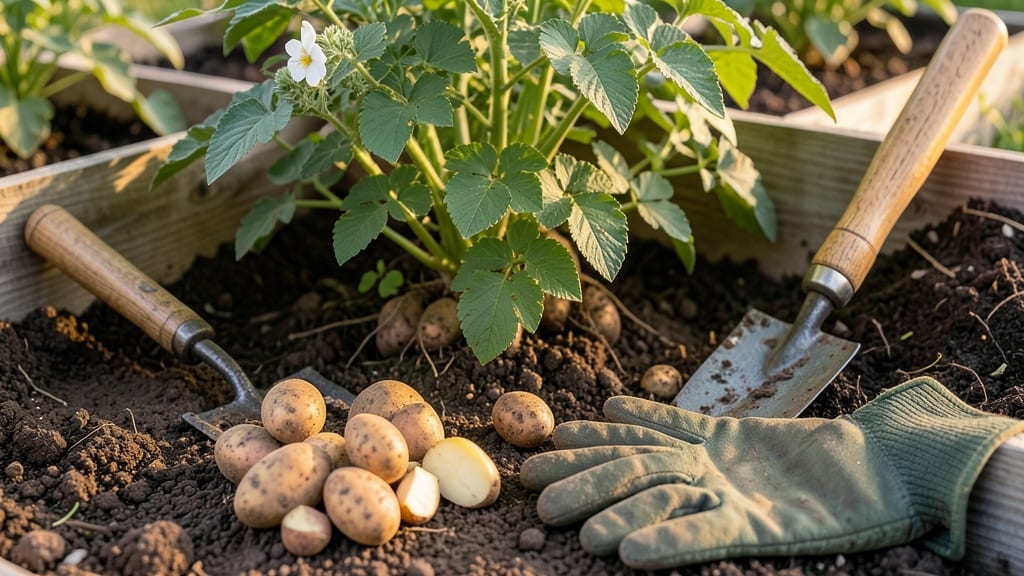
Planting fall potatoes in Texas isn't just about throwing seed potatoes into the dirt—it's about mastering the perfect timing to beat the freeze and harvest before winter sets in.
One wrong move, and you could end up with frost-nipped spuds or a crop that never fully matures, leaving you scrambling for grocery store potatoes when you could’ve had homegrown gold.
I’ve grown potatoes in Texas for years, and the key is knowing exactly when to plant based on your region—whether you’re in frost-prone North Texas or the milder South Texas climate. Too early, and your potatoes might bolt in the heat; too late, and you’ll miss the harvest window entirely.
The right timing means zero-frost harvests and a pantry full of fresh, homegrown 🥔 all winter long.
In this guide, I’ll break down the exact planting windows for your part of Texas, so you can avoid common mistakes and maximize your yield. We’ll cover soil prep, frost risk, and even how to adjust for different potato varieties.
By the end, you’ll know exactly when to plant for a reliable harvest—no guesswork, just results.
Ready to grow potatoes that outlast the Texas freeze? Let’s dive into the strategies that’ll have you digging up a bumper crop before the first frost hits.
Best planting windows for fall potatoes in Texas regions
Texas gardeners know the fall potato season can make or break your harvest. Unlike spring plantings, fall potatoes require precise timing to avoid early frosts while maximizing tuber development. The key is planting 4-6 weeks before your region's first frost date—giving tubers enough time to mature before winter sets in.
Texas spans USDA zones 8a-11, creating dramatic differences in frost timing. North Texas (Dallas/Fort Worth) faces frosts as early as mid-November, while South Texas (Houston/Beaumont) may see frosts in December or later.
Soil temperatures also play a critical role—potatoes thrive in 55-75°F soils, so waiting for summer heat to subside is essential.
| Region | Ideal Planting Window | First Frost Date | Soil Temp Requirement | Harvest Window |
|---|---|---|---|---|
| North Texas (Dallas/Fort Worth) | Mid-August to early September | Mid-November | 55-70°F | Late October to December |
| Central Texas (Austin/San Antonio) | Late August to mid-September | Early December | 55-72°F | November to January |
| South Texas (Houston/Beaumont) | September to early October | Mid-December | 55-75°F | December to February |
For North Texas, aim to plant Yukon Gold or Red Pontiac varieties between mid-August and early September. These fast-maturing types (90-100 days) give you the best chance to harvest before the mid-November frost.
Use a row cover in late fall to extend your harvest window by 2-3 weeks.
In Central Texas, where first frosts arrive in early December, you have more flexibility. Plant Kennebec or Russet varieties in late August for a late fall harvest. Soil temperatures here often stay warm longer, allowing tubers to grow larger before winter.
South Texas gardeners can push planting into early October thanks to milder winters. Sweet potatoes (not true potatoes) are also a great option here, but for Irish potatoes, choose early-maturing varieties like Red LaSoda to harvest before mid-December frosts.
Pro tip: Always test your soil temperature before planting. Use a soil thermometer to confirm it's at least 55°F. Cool soils slow germination, leading to uneven sprouts. If temperatures drop below 50°F, wait another week or use black plastic mulch to warm the soil faster.
Spacing is another critical factor. Plant seed potatoes 4-6 inches deep and 12 inches apart in rows spaced 30 inches apart. This gives tubers room to expand and prevents disease spread from crowded foliage.
In South Texas's heat, increase spacing to 15 inches apart to reduce stress on plants.
After planting, maintain consistent moisture—potatoes need 1-1.5 inches of water weekly. Use drip irrigation to keep leaves dry, preventing blight common in Texas's humid fall air. Reduce watering as harvest approaches to toughen tuber skins before digging.
For extended harvests, try succession planting in North and Central Texas. Plant a second batch in early September using ultra-early varieties like Red Norland (60-70 days to maturity). This ensures fresh potatoes even if early frosts hit.
🌱
How to time your potato harvest before Texas freezes
Timing your potato harvest is the difference between a bountiful fall crop and a sad pile of frost-bitten tubers. In Texas, where frost dates vary wildly from North Texas (November 15) to South Texas (December 1), knowing when to dig is just as critical as when to plant.
I’ve learned the hard way that waiting too long means risking freeze damage, while harvesting too early leaves you with underdeveloped potatoes.
The key is understanding your potato variety’s maturity and matching it to your local frost window. For example, Red Pontiac (90 days) needs to be planted earlier than Yukon Gold (110 days) to avoid frost.
By using the USDA frost maps and counting backward from your region’s first frost date, you can pinpoint the perfect harvest window for your specific crop.
Here’s my foolproof method to calculate your harvest date and avoid losing your hard work to winter’s chill:
- 1
- 2
- 3
- 4
- 5
Pro tip: If you’re unsure about your frost date, use the Almanac’s Frost Calculator or check local weather patterns from the past few years.
I always plant a test row of fast-maturing varieties (like New Potatoes) a few weeks earlier to gauge soil conditions and adjust my timing for the main crop.
Once you’ve mastered this timing, you’ll never again panic when the first frost warning pops up. Your potatoes will be safely tucked away in storage, ready to enjoy long after your neighbors are digging into grocery-store spuds.
With the right variety and harvest timing, you’ll have homegrown potatoes well into winter—no freeze, no fuss.
Now that you know when to harvest, the next step is storing those potatoes properly. A well-timed harvest paired with the right storage conditions means you’ll have fresh, homegrown 🥔 long after the last leaf falls.