
Plants
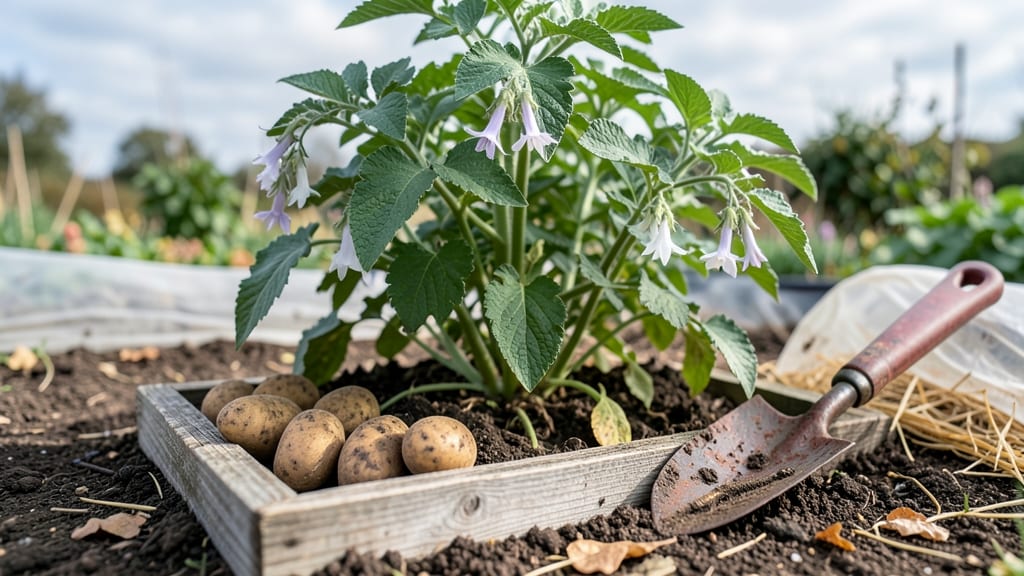
When to plant fall potatoes in Virginia means the difference between a bountiful harvest and a wasted effort. Planting too early risks frost damage before tubers mature, while waiting too late could leave your crop stunted by cold soil. The key is understanding your county’s frost zone—whether you’re in the Shenandoah Valley or Tidewater—and adjusting your schedule accordingly.
For Virginia’s 7a-8a zones, the ideal window stretches from late August through early September. This timing ensures your 🥔 potatoes have 90-120 days to grow before the first frost hits around October 15.
But here’s the catch: early varieties like Yukon Gold need a head start, while late-season types like Russet Burbank can wait until September. Let’s break down the exact dates for your area.
Beyond dates, soil prep and variety choice make all the difference. Virginia’s clay-heavy soils benefit from compost or black plastic mulch to warm the earth, while row covers can extend the season.
I’ll show you how to avoid the 5 biggest mistakes that ruin fall harvests—and how to tweak your approach for zero-frost success.
Ready to dig in? You’ll leave here knowing exactly when to plant, which varieties thrive in your zone, and how to protect your crop until harvest. Let’s get those spuds in the ground the right way.
Virginia county-specific fall potato planting dates by frost Zone
Getting your fall potatoes in the ground at the right time means the difference between a bountiful harvest and frost-nipped tubers. Virginia’s 5 frost zones (6a-7b) create distinct planting windows—from the cooler Shenandoah Valley to the milder Tidewater region.
Let’s break down the best planting dates for your county to ensure your crop matures before winter’s first chill.
Your last frost date is the starting point for calculating when to plant. In Virginia, this typically falls between October 15 and November 1, depending on elevation and location.
For fall potatoes, aim to plant 4-6 weeks before your area’s first frost. This gives tubers enough time to mature while avoiding the early winter freeze that ruins tender foliage.
Here’s how to match your county’s frost zone with the ideal planting window:
In the Shenandoah Valley (Zone 6a), cooler temperatures mean you’ll want to plant early varieties like ‘Yukon Gold’ by mid-August to avoid frost. These fast-maturing potatoes (ready in 70-80 days) give you a small window for success.
Meanwhile, gardeners in Tidewater (Zone 7b) have until mid-September to plant, allowing time for both early and late varieties.
Soil temperature is just as critical as air temperature. Potatoes thrive when soil is between 45°F and 75°F. In cooler zones (6a-6b), use black plastic mulch to warm the soil faster.
In warmer zones (7a-7b), wait until soil cools slightly after summer’s peak to prevent heat stress on tubers.
For late varieties like ‘Russet Burbank’, plant by late August in Zone 6a or early September in Zone 7b. These need 100+ days to mature, so don’t push your luck—aim for a harvest before Thanksgiving to beat the frost.
If you’re unsure about your county’s frost date, check the Virginia Cooperative Extension’s frost maps or use a local weather station for real-time updates.
Pro tip: If you’re planting in late August or September, choose disease-resistant varieties like ‘Kennebec’ or ‘Sweetheart’. These handle Virginia’s humid fall conditions better than traditional types. Always plant certified seed potatoes to avoid blight and rot, which thrive in damp autumn air.
After planting, hill your potatoes (pile soil around stems
How to adjust planting dates for early vs. late potato varieties in Virginia
Choosing the right potato variety and planting it at the perfect time is key to a successful fall harvest in Virginia. Fast-maturing varieties like ‘Yukon Gold’ need 90-110 days to reach maturity, while late-season types like ‘Russet Burbank’ require 120-140 days.
Your planting window must align with these timelines to avoid frost damage or underdeveloped tubers.
For early varieties, aim to plant in late July to early August in Virginia’s USDA zones 6a-7b. This gives them enough time to mature before the first frost, which typically hits around mid-October.
Late varieties, however, need a head start—plant them in mid-to-late June to ensure they’re ready for harvest by early winter.
Early Varieties (e.g., ‘Yukon Gold’)
- Faster harvest (90-110 days)
- Less risk of frost damage
- Ideal for late-summer planting
- Smaller tubers
- Limited storage life
- Sensitive to heat stress
Late Varieties (e.g., ‘Russet Burbank’)
- Larger tubers
- Longer storage life
- Better for early planting
- Longer growing season (120-140 days)
- Higher frost risk
- Requires earlier start
Soil temperature plays a crucial role in timing. Plant when soil reaches 45°F or warmer—use a soil thermometer to check. For early varieties, late July often hits this threshold, while late varieties may need planting in June when soil is still cooling from spring.
Adjust spacing too: 12 inches apart for early types and 15 inches for late varieties to prevent overcrowding.
Hilling is another critical step for fall potatoes. For early varieties, start hilling when plants reach 6-8 inches tall to protect tubers from greening. Late varieties need more frequent hilling—every 2-3 weeks—to encourage deeper growth. Use loose soil or straw to avoid compacting the roots.
In Virginia’s cooler northern counties (like Shenandoah), plant early varieties 2-3 weeks earlier than the state average. In warmer southern regions (e.g., Tidewater), you can extend the window by 1-2 weeks later. Always monitor weather forecasts and adjust your schedule accordingly.
Don’t forget to mulch heavily after planting to retain soil warmth and moisture. Black plastic mulch can raise soil temperatures by 5-10°F, giving your potatoes a growth boost in cooler climates. Combine this with drip irrigation to keep soil consistently moist without overwatering.