
Plants
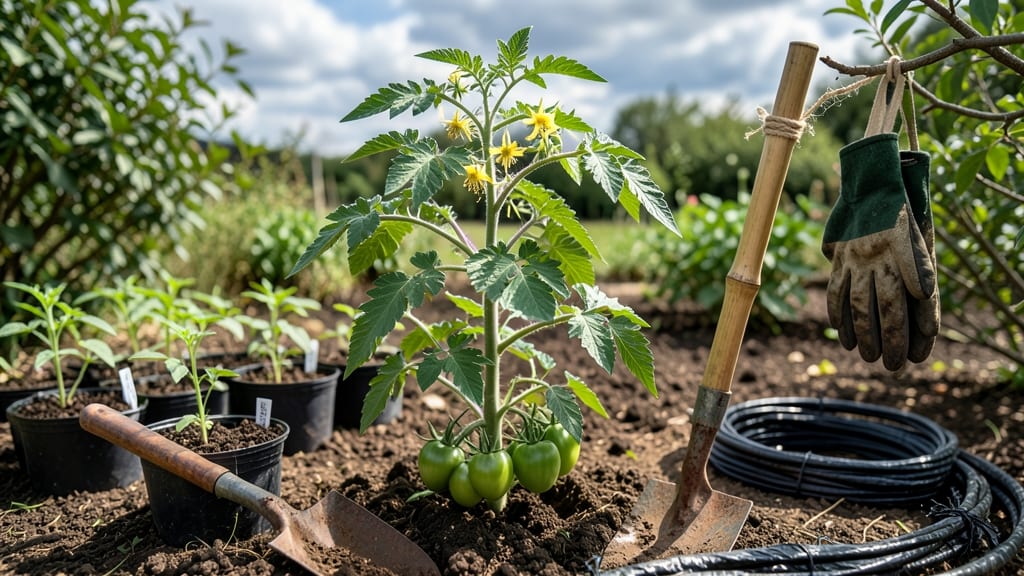
Planting fall tomatoes in Houston isn't just about tossing seeds in the dirt—it's a precise timing game that can mean the difference between a bountiful harvest and wasted effort.
With Houston's unique 9a climate and lingering summer heat, missing the window by even a week could leave your 🍅 struggling to mature before the first frost in mid-December.
Most gardeners assume "late summer" planting is flexible, but Houston's heat islands and unpredictable weather demand a more strategic approach. The key lies in understanding your last frost date and how to work backward from there to ensure your tomatoes have 60-90 days to reach maturity before winter sets in.
I've spent years perfecting this timing in Houston, and what I'm about to share will help you avoid common mistakes that lead to stunted plants or early blight.
Whether you're starting with seedlings or direct sowing, we'll cover the exact dates, soil prep secrets, and heat-tolerant varieties that thrive in our climate.
Let's dive into the game-changer planting schedule that will have you harvesting juicy tomatoes from October through December—just in time for holiday meals and beyond.
Houston’s fall tomato planting calendar: exact dates for zero-frost harvests
Houston’s fall tomato season hinges on precise timing—plant too early, and you’ll battle heat stress; too late, and frost ruins your crop. The average first frost in Houston hits around December 15, but microclimates can shift this by 2-3 weeks.
To ensure a zero-frost harvest, aim for transplanting seedlings between mid-August and early September, with seeds sown 6-8 weeks earlier.
Your planting window depends on whether you’re starting with seedlings or seeds. Seedlings need 4-6 weeks to harden off before transplanting, while seeds require 60-90 days to mature.
Houston’s USDA Zone 9a climate allows for a longer growing season, but soil temperatures must drop below 80°F for optimal tomato growth—otherwise, they’ll bolt or produce bitter fruit.
Here’s the comparison table breaking down your options for fall tomato planting in Houston, including risks and ideal timelines:
For seedlings, the sweet spot is August 15–September 1. This gives your plants 80-90 days to mature before frost, assuming 60-70 days to harvest. If you’re direct-sowing seeds, start in late June—they’ll need the full summer to establish roots before cooler temps arrive.
Houston’s heat islands can push temps higher in urban areas, so monitor your microclimate. If your garden runs 10°F hotter than rural zones, delay planting by 1-2 weeks to avoid blossom end rot or sun scald. Use a soil thermometer to confirm temps are below 85°F before transplanting.
Pro tip: Black plastic mulch raises soil temps by 5-10°F, extending your season by 2-3 weeks. Pair it with drip irrigation to keep roots cool during 90°F+ days. This combo lets you push planting into early September without risking heat stress.
If you miss the ideal window, don’t panic—late August transplants can still yield fruit, but expect smaller harvests. Use row covers to shield plants from light frosts (below 32°F) and prioritize heat-tolerant varieties like ‘Solar Fire’ or ‘Heatmaster’ for better resilience.
Remember: Day length matters too. Tomatoes need 12+ hours of daylight to set fruit. In Houston, days shorten after September 21, so plant early-maturing varieties (60-70 days) to compensate. Avoid indeterminate types like ‘Cherokee Purple’—they’ll keep growing but risk frost damage before full ripening.
Start with container-grown seedlings from local nurseries (they’re already hardened off) and harden your own starts by gradually reducing shade over 7-10 days. This toughens stems and leaves, reducing transplant shock when you set them in the ground.
Your fall tomato success in Houston boils down to timing + variety + soil prep. Stick to the August-September window, choose heat-tolerant types, and use mulch/irrigation to beat the heat. With these tactics, you’ll harvest ripe tomatoes straight through December—just in time for holiday feasts!
5 Critical factors that determine your fall tomato success in Houston
Houston’s unpredictable summer heat and early frost risks make fall tomato planting a science—not just luck. One wrong move, like planting too early or ignoring soil temps, can turn your 60-day harvest window into a failed experiment.
I’ve learned the hard way that these 5 critical factors separate thriving plants from sad, stunted tomatoes.
First, soil temperature is non-negotiable. Tomatoes need soil at 60°F+ to germinate and grow roots—any cooler, and you’ll waste weeks waiting. Houston’s August heat often keeps soil warm enough, but a sudden rainstorm can drop temps fast.
Test your soil with a soil thermometer before planting; if it’s below 60°F, wait or use black plastic mulch to warm it up.
- 1
- 2
- 3
- 4
- 5
Next, watch for heatwave timing. Houston’s late-summer heatwaves can spike to 100°F+, and planting during these periods stresses seedlings. If you must plant in extreme heat, do it in the early morning or late afternoon and use shade cloth (30-50%) for the first week.
I’ve seen seedlings wilt within hours under full sun during August heat—don’t let that be you.
Day-length sensitivity is another sneaky factor. As Houston’s days shorten in September, tomatoes grow slower because of reduced photosynthesis. To combat this, choose determinate varieties like ‘Celebrity’ or ‘Better Boy,’ which mature faster than indeterminate types.
If you’re dead set on heirlooms, start seeds indoors in late July to give them a head start.
Here’s the kicker: if summer lingers into October, don’t panic—adjust your planting date. Houston’s heat islands can keep temps high even when the calendar says “fall.” Delay planting until mid-September to avoid early blight, a fungal disease thriving in Houston’s humid air.
I once planted in early September and lost half my crop to blight—now I wait until the heat breaks.
Finally, never ignore the frost buffer zone. Houston’s average first frost is December 15, but microclimates (like near water bodies) can freeze earlier. To play it safe, aim for a 90-day harvest window—plant by September 1st for December harvests.
Use row covers or straw mulch to extend the season by 2-3 weeks if needed.
Master these 5 factors, and you’ll turn Houston’s fall growing season into a tomato goldmine. Start with soil temps, time your planting around heat breaks, and always have a frost backup plan. Your future homegrown pasta sauce depends on it! 🍅