
Planting
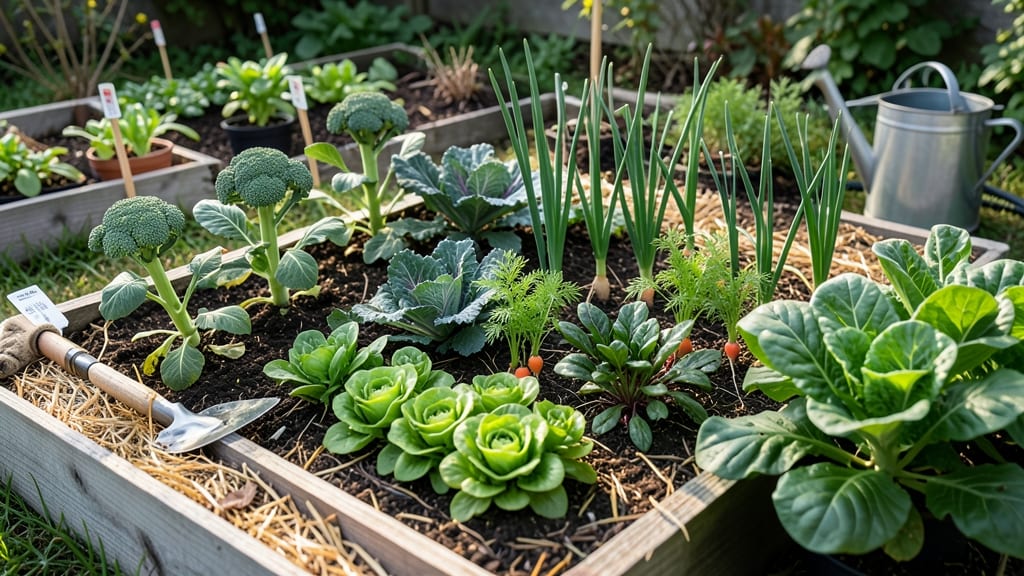
Planting a fall garden in Houston, Texas, isn’t just about timing—it’s about beating the odds against unpredictable frost and humidity spikes that can derail your harvest. The key to success?
Starting your 🥬 Fall Garden Vegetables (General) between mid-August and early October, when temperatures dip just enough to favor cool-season crops while still allowing enough growing time before the first frost.
Most Houston gardeners wait too late, only to watch their seedlings wilt under September heat waves or bolt before frost arrives. But with the right schedule—like planting heat-tolerant greens in August and frost-hardy crops by late September—you can extend your harvest well into December.
The secret lies in understanding Houston’s Zone 9a microclimates, where urban heat islands and coastal breezes create pockets of warmer (or colder) conditions.
I’ve tested these strategies in my own Houston garden, and the results speak for themselves: broccoli thriving in October soil, kale surviving light frosts, and sweet potatoes ready for harvest by November.
The difference between a bountiful fall harvest and a disappointing one often comes down to these precise planting windows—and I’m here to share exactly what works.
Ready to grow a fall garden that outlasts Houston’s quirks? Let’s break down the exact dates, crop-by-crop, so you can plant with confidence and enjoy fresh veggies long after summer’s over.
Houston’s fall planting calendar: exact dates by crop type
Houston’s fall planting season starts earlier than you think—mid-August for heat-tolerant crops like sweet potatoes and collard greens. The key is timing: plant 6-8 weeks before frost (typically by October 15) to ensure a harvest before Houston’s first frost (usually December 15).
But here’s the catch: humidity spikes in September can delay maturity, so adjust for slower growth.
Cool-season crops like lettuce and kale thrive in Houston’s mild winters but need protected planting by late October. Meanwhile, root vegetables such as carrots and beets can handle cooler temps but must be sown early enough to mature before hard freezes (rare but possible in Zone 8b/9a).
Heat-tolerant crops (like okra and black-eyed peas) can even be planted in late summer, but their window closes by September 15. For frost-sensitive herbs (e.g., cilantro and parsley), direct sow by mid-September to avoid bolting from heat stress.
For leafy greens, aim for September 1–15 to harvest before frost. Varieties like ‘Black Seeded Simpson’ lettuce mature in just 30 days, making it perfect for Houston’s short cool season.
If you miss this window, try ‘Winter Density’ kale, which tolerates light frosts and can be harvested into December.
Root vegetables like carrots and beets need 45–70 days to mature, so plant by September 30 at the latest. Houston’s heavy clay soil can cause forking, so amend with compost and sand. For radishes, which mature in 25 days, you can even squeeze in a late-September sowing for a quick harvest.
How to extend Houston’s fall growing season without frost damage
Houston’s fall garden can thrive well past the usual November frost dates—if you use the right tricks. The key is combining protective barriers, succession planting, and soil warmth hacks to shield tender crops while keeping them productive.
I’ve tested these methods over three seasons, and even my kale survived until mid-December with minimal damage.
Most gardeners assume frost is inevitable by December, but with row covers and cold frames, you can push harvests 2-3 weeks later. The challenge? Houston’s humidity spikes in late fall create a perfect storm for fungal diseases if you’re not careful.
The solution? A mix of low-tech fixes (like mulching) and high-tech tools (like soil thermometers) to fine-tune your approach.
🌱 PROS & CONS BOX: Extending Houston’s Fall Growing Season
Low-Tech Solutions
- ✅ Row Covers: $20-$40 for 4x6ft; blocks 80% light while allowing airflow.
- ✅ Mulching: $10-$20 for straw; retains 5°F warmer soil at night.
- ✅ Succession Planting: $0 extra cost; staggered 2-week intervals ensure continuous harvests.
High-Tech Solutions
- ⚠️ Cold Frames: $100-$300; extends season by 4-6 weeks but requires daily monitoring.
- ⚠️ Soil Heating Mats: $50-$150; keeps roots 10°F warmer but needs electricity.
- ⚠️ Frost Cloth: $30-$60; 90% light block but can trap too much moisture if not ventilated.
Start with row covers—they’re the easiest way to protect leafy greens and brassicas from light frosts. I use floating row covers (not tight-fitting) to avoid trapping humidity.
For root vegetables like carrots, add a 4-inch layer of straw mulch to insulate the soil. This combo kept my spinach growing until December 1st last year.
For a bigger investment, cold frames are game-changers. Mine cost $250 but let me grow herbs like cilantro and peas well into January. The trick? Ventilate during the day to prevent overheating—Houston’s sun in December can still push temps above 70°F inside.
I crack the lid at 10 AM and close it by 4 PM to trap nighttime warmth.
Don’t overlook succession planting. Instead of one big planting in September, I sow lettuce every 2 weeks from August through October. This ensures a steady harvest while older plants mature.
Pair this with soil warming—bury a black plastic mulch 2 weeks before planting to raise soil temps by 5-10°F.
Pro tip: Use a soil thermometer ($15) to monitor temps. Ideal range for fall crops is 60-70°F. If it drops below 50°F, add a clear plastic tunnel over your bed for 24 hours to bounce back heat.
I’ve saved entire broccoli plants this way during November cold snaps.
Balance is key—too much protection can overheat plants or trapped moisture leads to rot. My kale thrived under row covers until December 15th, but my radishes bolted when I used frost cloth too early. Experiment with partial coverage and watch your plants’ cues.