
Flowers
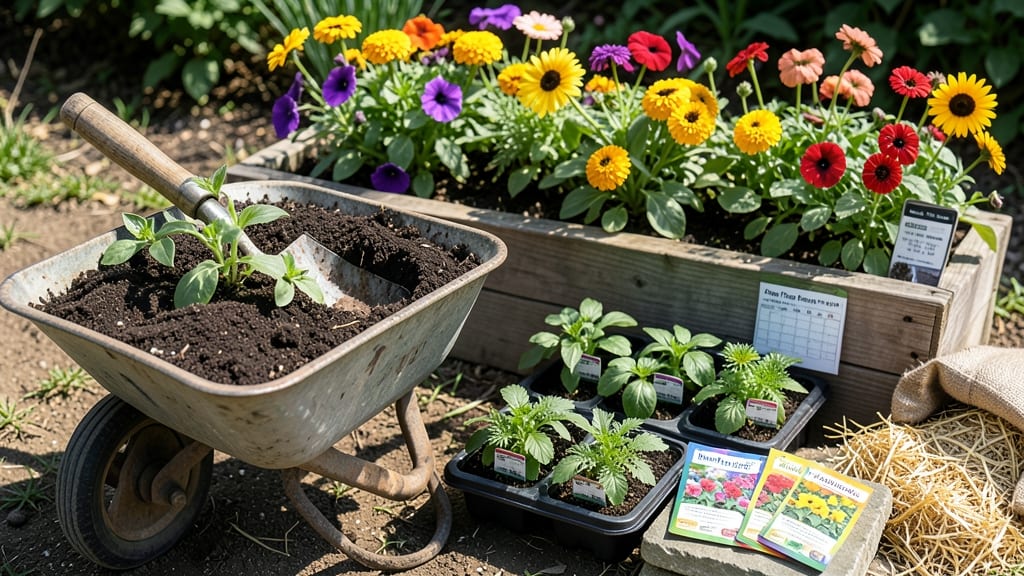
Planting flower seeds in Ohio at the wrong time can mean the difference between a vibrant garden bursting with 🌸 and a sad investment in dirt. With Ohio's unpredictable spring weather—where frost can strike as late as mid-April—knowing the exact weeks before last frost is the key to success.
Most Ohio gardeners in USDA Zone 6a should start flower seeds indoors 6-8 weeks before their average last frost date, which typically lands around April 15. But here's the catch: tender annuals like marigolds and zinnias need warmer soil temperatures, while hardy perennials can handle cooler conditions.
Let me break down the precise timing for Ohio's top bloomers so you can avoid common mistakes.
Whether you're dreaming of summer petunias or fall cosmos, timing matters more than you might think. I'll show you how to adjust your planting schedule based on Ohio's regional microclimates—from the cooler northern areas to the slightly warmer southern zones—so your garden thrives all season long.
Ready to transform your Ohio garden into a blooming paradise? Let's dive into the exact weeks you should be planting, plus pro tips for soil prep and seedling care that will give your flowers the best possible start.
Ohio’s last frost dates by region: exact weeks before planting flower seeds
Ohio’s last frost dates vary dramatically by region, making precise timing critical for flower seed success. The Northwest (USDA Zone 5b) often sees frost until April 25, while the Southeast (Zone 6b) typically warms up by April 5.
Central Ohio (Zone 6a) falls in between, with April 15 as the average last frost date. These variations mean your petunias in Toledo may need planting 4 weeks earlier than those in Cincinnati!
To avoid frost damage or missed blooms, I’ve mapped out exact weeks before last frost for Ohio’s 15 top-performing flowers. Whether you’re sowing cosmos or zinnias, knowing these windows ensures your garden bursts into color at the perfect time.
For example, marigolds thrive when planted 2-3 weeks before last frost, while snapdragons need 6-8 weeks indoors to beat the chill.
Ohio’s microclimates create unique challenges. The Lake Erie region stays cooler longer, while urban heat islands in Columbus can push frost dates back by 1-2 weeks.
Always adjust for USDA Zone shifts—a Zone 5b gardener in Toledo should wait 2 weeks longer than a Zone 6b gardener in Athens. Use local Almanac frost forecasts as a backup, but rely on soil temperature (aim for 60°F+) as your final green light.
| Region | Avg Last Frost | USDA Zone | Weeks Before Frost for Seeds | Top Flowers |
|---|---|---|---|---|
| Northwest (Toledo, Cleveland) | April 25 | 5b | 4-8 weeks (indoors) | Petunias, Snapdragons, Zinnias |
| Central (Columbus, Dayton) | April 15 | 6a | 3-6 weeks (indoors) | Marigolds, Cosmos, Sunflowers |
| Southeast (Cincinnati, Athens) | April 5 | 6b | 2-4 weeks (direct sow) | Impatiens, Begonias, Nasturtiums |
| All Regions (Fall Planting) | October 15 | 5b-6b | 6-8 weeks before first frost | Pansies, Kale, Sweet Alyssum |
*Adjust for soil warmth (60°F+) and microclimates (e.g., urban areas warm faster).
For petunias and impatiens, which hate frost, I recommend starting seeds 6-8 weeks indoors in Central Ohio (Zone 6a) and 8-10 weeks in Northwest Ohio (Zone 5b). These tender annuals need a head start to outpace Ohio’s late spring chills.
Even if your last frost date is April 15, wait until May 1 to transplant them outdoors—soil temperature matters more than air temperature!
If you’re growing cosmos or zinnias, which are frost-tolerant, you can direct sow 2-3 weeks before last frost in Southeast Ohio. These drought-resistant flowers thrive in Ohio’s hot summers and self-seed prolifically.
For marigolds, which repel pests naturally, plant 4 weeks before last frost—they’re hardy enough to handle light frosts but bloom best when sown early.
Ohio’s false springs are infamous—warm spells in March can fool garden
Indoor vs. outdoor starting: when to begin seeds for Ohio’s longest bloom season
Ohio’s unpredictable spring makes seed starting a high-stakes game. False springs can fool you into planting too early, while late frosts can turn your seedlings into frost snacks. The key? Knowing when to start seeds indoors versus direct sowing outdoors based on soil temperatures and your target blooms.
For most Ohio gardeners in USDA Zone 6a, the last frost typically arrives around April 15. But here’s the twist: tender annuals like marigolds and petunias need warmer soil (at least 60°F), while hardier flowers like snapdragons can handle cooler conditions.
Let’s break down the best approach for your favorite flowers.
| Flower Type | Indoor Start (Weeks Before Last Frost) | Outdoor Start (Soil Temp Threshold) | False Spring Risk |
|---|---|---|---|
| Snapdragons | 6-8 weeks | 50°F (direct sow) | Low |
| Sunflowers | 2-4 weeks (or direct sow) | 60°F (direct sow) | High (late frosts) |
| Marigolds | 4-6 weeks (optional) | 60°F (direct sow) | Medium |
| Cosmos | Direct sow only | 55°F (tolerates cold) | None |
| Petunias | 8-10 weeks | 65°F (direct sow) | High (heat-loving) |
For longer bloom seasons, start heat-loving annuals like petunias and zinnias indoors 8-10 weeks before your last frost date. These need a head start to beat Ohio’s slow spring warming.
On the other hand, cool-season flowers like cosmos and snapdragons can often be direct-sown once soil temperatures rise above 50°F.
Ohio’s false spring is a real threat—those warm March days can trick you into planting too soon. To hedge your bets, use row covers for early sowings or wait until May 1 for outdoor planting.
This gives you a 14-day buffer against late frosts, which can still hit as late as April 30 in northern Ohio.
Pro tip: Test your soil temperature with a soil thermometer before direct sowing. Most annuals need soil at 60°F or warmer to germinate properly. If your soil is still cold, opt for slow-germinating seeds like sunflowers, which can handle cooler conditions better than delicate petunias.
By matching your seed-starting method to your flower’s needs and Ohio’s quirky weather, you’ll maximize your blooms and minimize the risk of losing seedlings to frost. Happy planting! 🌱