
Flowers
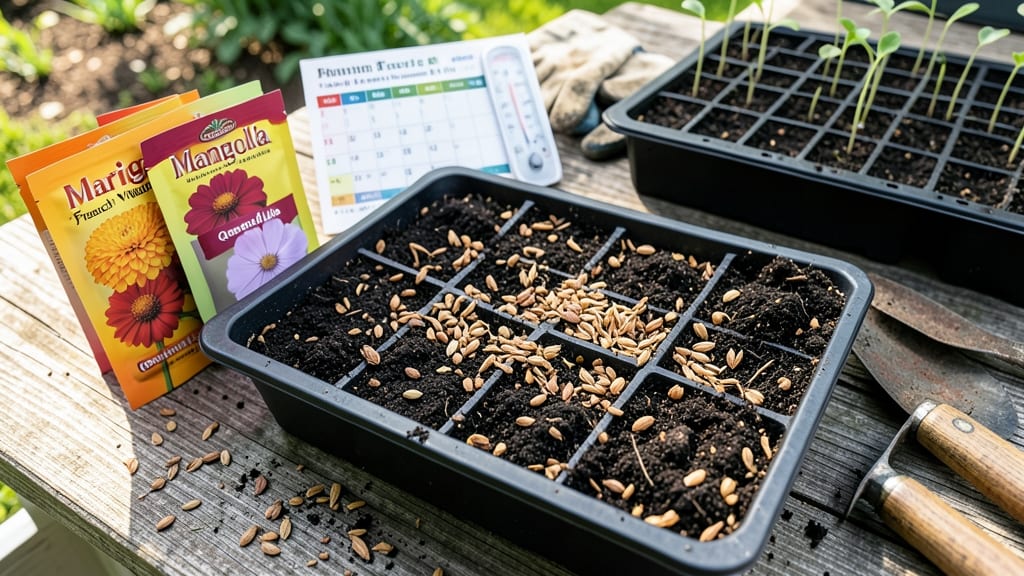
Timing your flower seed planting in Minnesota can mean the difference between a garden bursting with 🌸 and a season of empty rows. The key isn't just waiting for spring—it's knowing exactly when to act in your USDA Zone 4a-5b, where late frosts can still sneak in after Mid-May.
I've planted through enough close calls to know that patience pays off, but so does preparation.
Whether you're dreaming of vibrant marigolds or sturdy coneflowers, understanding your local frost dates is the first step. Most Minnesota gardeners wait until Late April to Mid-May for spring planting, but that window shifts for fall-blooming varieties like zinnias, which thrive when sown in Early August.
The trick is balancing warmth and timing—soil needs to hit 50°F+ before seeds go in, or they'll just sit there waiting.
I'll walk you through how to read your zone's last frost data, when to start seeds indoors, and which flowers handle Minnesota's mood swings best. No more guessing games—just a clear plan to turn your garden into a blooming success, no matter what Mother Nature throws your way.
Ready to skip the trial-and-error? Let's dive into the exact planting schedule that works for Minnesota's climate, so you can enjoy those first fresh-cut bouquets by summer.
Minnesota’s last frost dates by USDA Zone: exact planting windows
Timing your flower seed planting in Minnesota hinges on understanding last frost dates by USDA Zone. The state spans Zones 3-5, where frost can linger into mid-May—or strike unexpectedly in late spring.
Knowing these dates ensures your cosmos, snapdragons, and black-eyed Susans thrive without frost damage.
For Zone 3 (northern MN), the last frost typically arrives around May 15-20, while Zone 4 (central MN) sees it May 10-15. Zone 5 (southern MN) is the most forgiving, with May 5-10 averages. These windows guide when to sow direct seeds or transplant seedlings safely.
Use these dates to plan direct seeding of cold-hardy flowers like cosmos and snapdragons. Wait until 2 weeks after the average last frost to sow warm-season flowers such as marigolds or zinnias, which won’t tolerate frost.
For transplanting seedlings, aim for 1-2 weeks after the direct seed window. Zone 3 gardeners should delay until late May, while Zone 5 can start as early as mid-May. Always harden off seedlings for 7-10 days before transplanting.
Pro tip: Monitor soil temperature—most flower seeds need 50°F+ to germinate. Use a soil thermometer to confirm readiness. In Zone 4, for example, soil may hit 50°F by mid-May, but air temps can still dip.
Extend your planting season by sowing fall-blooming varieties like cosmos or marigolds in early August. These tolerate light frosts and often rebloom the following year. Just avoid planting after August 15 in Zone 3 to prevent frost damage.
If you’re starting seeds indoors, begin 6-8 weeks before your zone’s last frost date. Zone 5 gardeners can start early March, while Zone 3 should wait until late March. Use grow lights to ensure strong seedlings before transplanting.
Always have frost cloth on hand—late frosts can occur even after May 30. Cover tender plants like petunias or geraniums if nighttime temps drop below 32°F. This buys time for roots to establish before summer heat arrives.
For perennials like black-eyed Susans or coneflowers, sow seeds in late summer (August) for fall growth. These hardy plants overwinter well and bloom earlier the next season. Avoid fertilizing until spring to encourage root development.
Best flowers to plant by Minnesota season: cool vs. warm season varieties
Minnesota’s short growing season demands smart flower choices to maximize blooms. Cool-season flowers thrive in early spring and fall, while warm-season varieties need summer’s heat. Planting the right flowers at the right time ensures vibrant blooms from May through October.
For spring planting, focus on cool-hardy annuals like pansies and sweet peas. These flowers tolerate light frosts and bloom early. In contrast, warm-season flowers such as marigolds and zinnias should wait until after the last frost, typically mid-May in most of Minnesota.
🌱 numbered-highlights
- 1 Cool-season flowers: Plant pansies and snapdragons in March-April for early blooms. These thrive in 50-65°F soil temps.
- 2 Warm-season flowers: Wait until after last frost (mid-May) to plant marigolds and zinnias. These need 70°F+ soil to germinate.
- 3 Succession planting: Sow cosmos and sunflowers every 2-3 weeks in June-July for continuous blooms until frost.
- 4 Cold-hardy perennials: Plant coneflowers and black-eyed Susans in spring or fall for multi-year blooms with minimal care.
- 5 Fall planting: Direct-sow pansies and calendulas in August for late-season color before winter sets in.
Extend your blooms by using succession planting for annuals like cosmos and sunflowers. Plant new seeds every 2-3 weeks during summer to ensure continuous flowers until the first frost. This strategy works especially well for heat-loving varieties that need consistent warmth.
Don’t overlook cold-hardy perennials like coneflowers and black-eyed Susans. These plants establish roots in spring or fall and return year after year with minimal effort. Their deep roots also help prevent soil erosion in Minnesota’s clay-heavy soils.
For late-season color, sow fall-blooming annuals such as pansies and calendulas in early August. These flowers tolerate cooler temperatures and provide vibrant blooms well into October, often surviving light frosts. Use frost cloth to extend their season even further.
My favorite trick is pairing cool-season flowers with warm-season varieties in the same bed. For example, plant pansies in early spring alongside marigolds after the last frost. This creates a seamless transition of blooms from spring through fall.