
Flowers
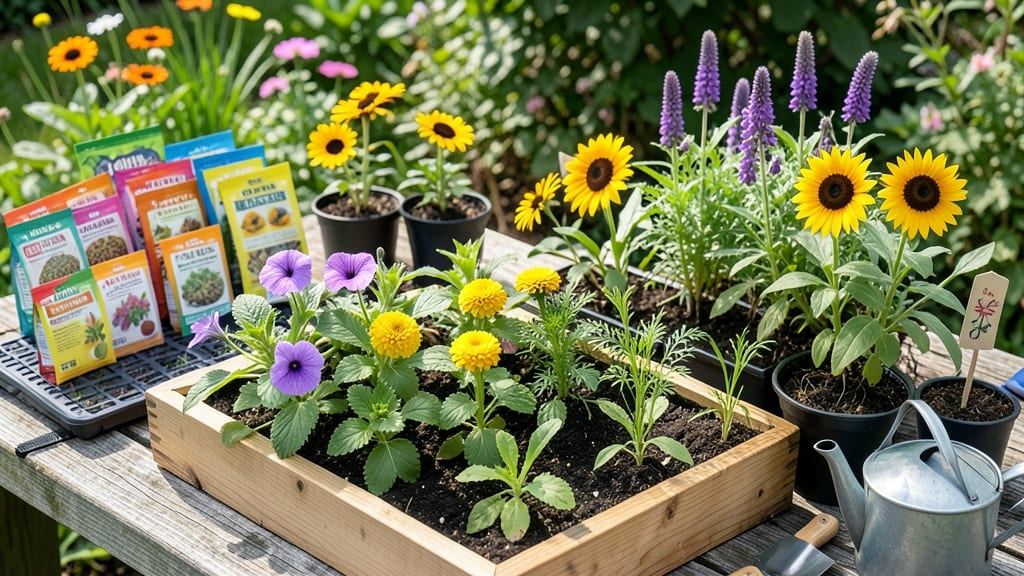
Planting flower seeds in Tennessee at the wrong time can leave your garden looking like a sad, brown desert instead of a vibrant oasis. The perfect timing depends on your county’s frost dates, and getting it right means the difference between thriving blooms and wasted effort.
With Tennessee’s USDA zones 6-8 and unpredictable weather patterns, you can’t just follow a one-size-fits-all calendar. Whether you’re in Nashville’s urban heat islands or the cooler hills of the Smoky Mountains, knowing when to start seeds indoors or sow directly outdoors is key.
I’ll break down the exact windows for cool-season and warm-season flowers so you can avoid frost damage and maximize your garden’s potential.
From black-eyed Susans that love Tennessee’s summer heat to pansies that thrive in early spring, each flower has its own ideal planting window. You’ll also discover how to adjust for late frosts, use row covers, and even leverage microclimates to extend your growing season.
Let’s get your garden blooming like never before.
Ready to transform your yard into a colorful haven? I’ll walk you through everything—from seed-starting indoors to direct sowing—so you can enjoy a garden that’s as stunning as it is resilient. Let’s make this your best planting season yet!
Tennessee county-by-county flower seed planting zones & frost dates
Tennessee’s diverse climate—spanning USDA hardiness zones 6a to 8a—means your flower seed planting timeline should vary by region. The East Tennessee Mountains (zones 6a-7a) face earlier frosts than West Tennessee’s Delta (zones 7b-8a), while the Middle Tennessee Plateau (zones 7a-7b) sits in between.
Understanding these differences helps you choose cold-hardy annuals like pansies for early springs or tender perennials like impatiens for late starts.
Frost dates are critical: A late frost in Grayson County (zone 6a) can kill seedlings planted in March, while Shelby County (zone 8a) may see frost-free soil by early February.
Use the Tennessee State University Extension’s frost date maps as your guide, but always have row covers ready for unpredictable late frosts that can strike until mid-April in the mountains or even early May in the valleys.
Below is a county-by-region breakdown of ideal planting windows for flower seeds, organized by last average frost dates and USDA zones. I’ve included both direct-sow and indoor-start timelines to maximize your blooms.
| Region | Counties | USDA Zone | Last Avg. Frost | First Avg. Frost | Cold-Hardy Annuals (Direct Sow) | Tender Perennials (Start Indoors) |
|---|---|---|---|---|---|---|
| East Tennessee | Sullivan, Hawkins, Johnson | 6a | April 15–May 1 | October 15–20 | March 15–April 1 (pansies, snapdragons, sweet peas) | February 1–March 15 (begonias, impatiens, coleus) |
| Sevier, Cocke, Greene | 6b | April 1–April 15 | October 20–November 1 | March 1–April 1 (calendula, stock, larkspur) | February 15–March 1 (geraniums, petunias) | |
| Knox, Anderson, Campbell | 7a | March 25–April 1 | November 1–10 | February 28–March 15 (nasturtiums, alyssum, sweet alyssum) | February 15–March 1 (fuchsias, torenia) | |
| Middle Tennessee | Davidson, Wilson, Rutherford | 7a | March 20–25 | November 10–15 | March 1–March 15 (cosmos, zinnias, marigolds) | February 20–March 1 (hibiscus, cannas) |
| Sumner, Robertson, Cheatham | 7b | March 15–20 | November 15–20 | February 28–March 15 (sunflowers, black-eyed Susans) | February 1–February 15 (begonias, impatiens) | |
| West Tennessee | Shelby, Fayette, Tipton | 8a | February 28–March 10 | November 20–December 1 | February 15–March 1 (dahlias, celosia, vinca) | January 15–February 1 (tropical hibiscus, bird of paradise) |
| Madison, Gibson, Dyer | 7b | March 10–15 | November 15–20 | February 28–March 15 (zinnias, cosmos, marigolds) | February 1–February 15 (geraniums, petunias) | |
| Obion, Weakley, Henry | 8a | February 20–March 5 | November 20–December 1 | February 1–February 15 (sunflowers, sweet potatoes) | January 1–January 15 (canna lilies, elephant ears) |
For East Tennessee’s zone 6a counties, like Sullivan or Carter, I recommend starting cool-season flowers indoors by February 1 to transplant after the last frost.
In these areas, late-March frosts can still occur, so protect seedlings with frost cloth until April 15. Tender perennials like impatiens should wait until soil warms to 60°F+, typically mid-April.
Middle Tennessee’s zone 7a/b (e.g., Nashville, Murfreesboro) offers a longer growing season, but unpredictable late frosts can strike until April 15. Use this window to direct-sow hardy annuals like cosmos and zinnias, which thrive in warm soil.
For tender perennials, start seeds indoors by February 15 to ensure they’re ready for transplant by early April.
West Tennessee’s zone 8a
Best flower seeds to plant by season in Tennessee (indoor vs. outdoor)
Tennessee’s diverse climate means you can grow stunning flowers year-round with the right timing. Cool-season blooms like pansies and snapdragons thrive in early spring and fall, while warm-season favorites such as marigolds and zinnias love summer’s heat.
The key is knowing whether to start seeds indoors or sow directly outdoors to beat frost and maximize blooms.
For indoor starting, begin cool-season flowers 6-8 weeks before your last frost date—typically mid-February to early March for most of Tennessee.
Warm-season flowers, however, should wait until after the last frost (usually late April to early May), but you can start them indoors 4-6 weeks earlier for a head start. Containers add flexibility, letting you adjust timing based on microclimates.
🌱 When to Plant Flower Seeds in Tennessee
- 🌿 Early Spring (Feb-Mar): Start cool-season flowers indoors (pansies, snapdragons, sweet peas). Direct sow hardy annuals like calendula after soil warms.
- ☀️ Late Spring (Apr-May): Sow warm-season seeds outdoors (marigolds, zinnias, sunflowers) after last frost. Transplant indoor-started seedlings.
- 🌧️ Fall (Aug-Sep): Plant cool-season flowers for fall blooms (pansies, alyssum). Start winter-hardy varieties indoors for early spring.
- 🪴 Containers: Extend seasons! Use containers for pansies (fall/winter) or geraniums (summer)—move them indoors when needed.
- ⏰ Frost Watch: Use row covers or cold frames to protect seedlings if late frost threatens (common in Nashville and East TN).
My top cool-season flowers for Tennessee include pansies (tolerate light frost) and snapdragons (great for cut flowers). These thrive when sown 4-6 weeks before the last frost or directly in fall for winter color.
For warm-season blooms, marigolds and zinnias are hardy and attract pollinators—plant them after soil reaches 60°F.
Containers are a game-changer for Tennessee gardeners. Fill them with petunias or geraniums for summer color, then move them to a sunny porch or garage in winter.
This trick lets you grow flowers even in small spaces or high-rise balconies. Just ensure containers have drainage holes and use lightweight potting mix.
Pro tip: Check the TN State University Extension’s frost calendar for your county—it’s updated yearly and accounts for local variations. For example, Memphis (Zone 7b) can plant earlier than Chattanooga (Zone 7a). Adjust your schedule based on these microclimate differences to avoid frost damage.
With the right timing, your Tennessee garden can burst with color from early spring pansies to late-fall mums. Start with these seasonal strategies, and you’ll enjoy blooms that last all year—no matter where you are in the state. Happy planting! 🌸