
Flowers
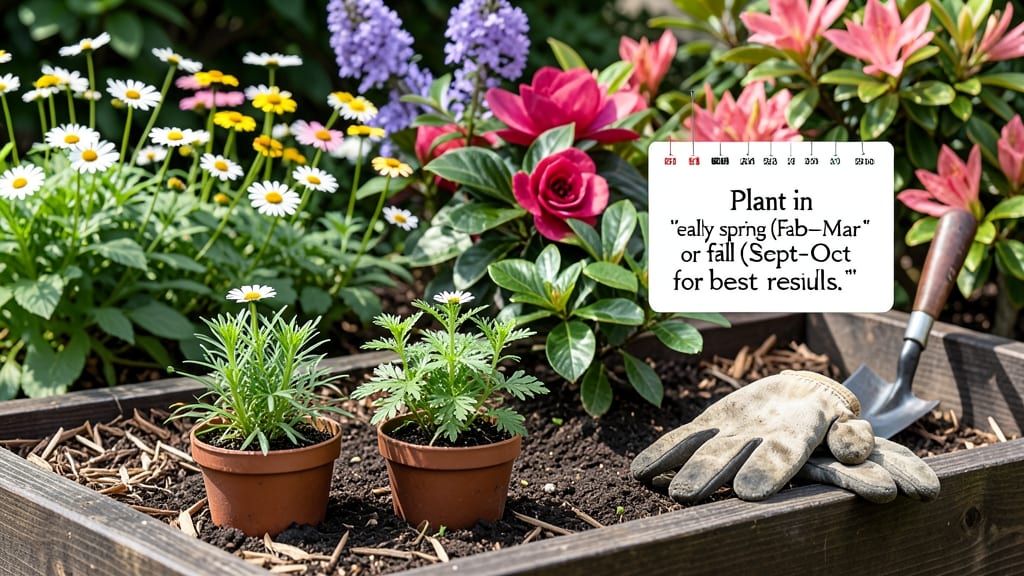
Planting flowers in Alabama at the wrong time can mean wilted dreams before your blooms even peek through the soil—so timing is everything for that vibrant, year-round garden you crave.
With USDA zones 7a-8b and a long frost-free growing season, Alabama gives you two prime windows to get it right: late winter through early spring and late summer into fall.
Miss those windows, and you’ll battle heat stress or early frosts, leaving your 🌸 flowers struggling to thrive. The key? Know your last frost date (usually mid-March) and first frost (mid-November) to avoid common mistakes that turn gardens into muddy messes instead of blooming paradises.
I’ll break down the exact months to plant annuals, perennials, and seasonal favorites—plus region-specific tips for North vs. South Alabama. Whether you’re dreaming of azaleas in March or sunflowers in May, this guide ensures your flowers get the perfect start.
Ready to transform your yard into a floral masterpiece? Let’s dive into the planting schedule that works with Alabama’s climate, not against it.
Alabama’s USDA zones 7-8: exact months to plant flowers by season
Alabama’s USDA Zones 7-8 offer gardeners a longer growing season than most northern states, but precise timing is key to avoiding frost damage or heat stress. The last frost date typically falls between March 1-15, while the first frost arrives around November 15-30.
Understanding these windows ensures your annuals, perennials, and bulbs thrive year-round.
For cool-season flowers like pansies and snapdragons, start seeds indoors in February or plant directly after the last frost. Warm-season favorites such as zinnias and marigolds should wait until soil temperatures reach 60°F+, usually by mid-April in most of Alabama. Fall planting for bulbs like tulips begins in October to establish roots before winter.
Here’s your seasonal planting cheat sheet for Alabama’s zones, including frost-free dates and ideal soil temps for maximum bloom success.
| Season | Plant Type | Best Planting Month | Soil Temp (°F) | Key Notes |
|---|---|---|---|---|
| Spring | Cool-Season Annuals | February–March | 45–60°F | Pansies, snapdragons, sweet peas |
| Spring | Perennials | March–April | 50–65°F | Coneflowers, black-eyed Susans, daylilies |
| Summer | Warm-Season Annuals | April–May | 60–75°F | Marigolds, zinnias, sunflowers |
| Fall | Bulbs | October–November | 55–65°F | Tulips, daffodils, crocuses |
| Fall | Perennials | September–October | 60–70°F | Asters, chrysanthemums, salvia |
| Winter | Winter Hardy | November–December | 40–50°F | Camellias, hellebores, winter jasmine |
*Soil temps vary by microclimate; use a soil thermometer for accuracy.
In North Alabama (Zone 7a), where frosts linger slightly longer, delay warm-season planting until mid-April to avoid late frost damage. Conversely, South Alabama (Zone 8b) can plant tropicals like hibiscus as early as February, thanks to milder winters.
Always check your local frost dates—tools like the Alabama Extension Service’s frost calculator are invaluable.
For container gardening, you can extend seasons by moving pots indoors during heatwaves or cold snaps. Succulents and geraniums thrive in containers and can be planted as early as March in protected spots. Just ensure pots have drainage holes to prevent root rot in Alabama’s humid summers.
Mulching is a game-changer for Alabama gardens. Apply 2–3 inches of mulch around perennials in late fall to insulate roots during mild winters and retain moisture in hot summers. Organic mulches like pine straw or shredded bark also improve
Best flowers to plant in Alabama by month: a seasonal survival guide
Alabama’s mild winters and long growing season let you enjoy flowers year-round, but each month brings unique opportunities—and pitfalls. From azaleas blooming in March to mums thriving in September, timing matters more than you’d think.
Plant too early, and frost zaps tender seedlings; too late, and summer heat stresses new growth. Let’s break down the best flowers to plant each month for Alabama’s USDA zones 7a-8b, plus care tips to keep them flourishing.
Northern Alabama (zone 7a) has slightly cooler winters, while Southern Alabama (zone 8b) enjoys longer frost-free seasons. Always check your local last frost date—typically mid-March in the north and February in the south—before planting tender annuals.
For perennials, late winter or early spring (February-March) is ideal, while summer-blooming flowers like sunflowers love May’s warmth. Let’s dive into the month-by-month essentials.
🌱 Month-by-Month Alabama Flower Planting Guide
- 🌸 February-March: Azaleas, Camellias, Tulips – Plant bare-root perennials in moist, well-draining soil. Mulch heavily to protect from late frosts (zone 7a).
- 🌿 April: Pansies, Snapdragons, Sweet Alyssum – Perfect for cool-season annuals. Harden off seedlings before last frost date (mid-March north, Feb south).
- ☀️ May: Sunflowers, Zinnias, Marigolds – Heat-loving annuals thrive after soil warms (70°F+). Space sunflowers 12+ inches apart for sturdy stems.
- 🌼 June-July: Lantana, Petunias, Black-Eyed Susans – Drought-tolerant picks for Alabama’s summer heat. Water deeply 2x/week and mulch to retain moisture.
- 🍂 August-September: Mums, Asters, Salvia – Fall bloomers need 6+ hours of sun and well-draining soil. Start mums from transplants for best color.
- 🍁 October-November: Crocuses, Daffodils, Winter Pansies – Bulbs and hardy annuals for early spring color. Plant bulbs 6-8 weeks before first frost (Nov 15-30).
For spring planting (March-April), focus on azaleas and camellias, which thrive in Alabama’s acidic soil. These evergreen shrubs need morning sun and afternoon shade to prevent leaf scorch.
Amend clay soil with compost or pine bark to improve drainage—Alabama’s heavy clay can suffocate roots. Water deeply once a week after planting to encourage root growth.
Summer’s intense heat (June-August) demands drought-resistant flowers like lantana and salvia. These native-friendly picks attract pollinators while surviving on minimal water. Avoid overwatering—Alabama’s humidity + poor drainage = root rot.
Instead, mulch with pine straw to keep soil cool and moisture-retentive. Deadhead spent blooms to prolong flowering and prevent seed formation.
Fall (September-October) is prime time for chrysanthemums and asters, which bloom into November before frost. These cool-season beauties love full sun and fertile soil. Add a slow-release fertilizer at planting to fuel fall growth.
In Northern Alabama (zone 7a), protect tender mums with row covers if frost threatens early. Southern Alabama gardeners can enjoy extended blooms until December!
Don’t overlook winter interest (November-January). Plant winter pansies and hellebores for color in chilly months. These frost-hardy annuals thrive in partial shade and well-draining soil.
Mulch with 3-4 inches of straw to insulate roots from temperature swings. Prune perennials like salvia in late winter to encourage bushier growth before spring.