
Flowers
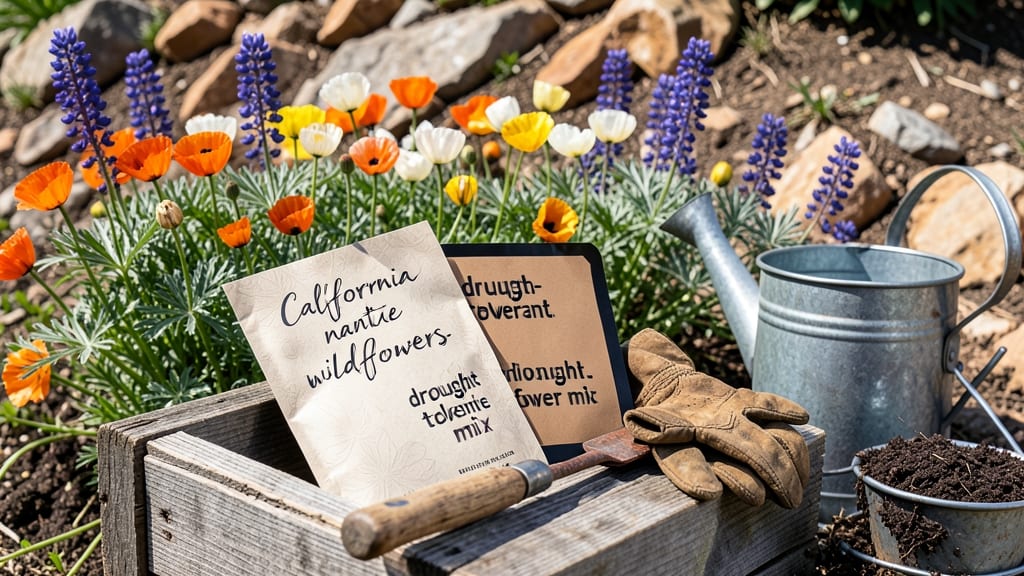
Planting flowers in California can feel like a guessing game—one region’s perfect timing might ruin another’s blooms. Whether you’re in frost-prone coastal areas or the scorching desert, getting the schedule wrong means wilted dreams before they even sprout.
Here’s the truth: coastal gardens (like San Francisco or LA) thrive when you plant 🌸 winter bloomers in December, while inland deserts need summer-blooming varieties started in late February.
The difference? Microclimates that shift planting windows by months. I’ll break down the exact calendar so your garden bursts with color—not confusion.
You’ll learn which flowers to trust for each zone (think petunias for coasts, bougainvillea for inland heat) and how to avoid common mistakes that kill blooms before they begin. No more second-guessing—just a foolproof plan tailored to your backyard’s climate.
Ready to transform your garden? Let’s dive into the region-specific planting secrets that’ll have neighbors asking, “How’d you get those flowers to bloom so perfectly?”
California flower planting calendar: coastal vs inland Start dates compared
California’s microclimates create a gardening puzzle—what thrives in coastal San Francisco (cool, foggy summers) may fail in inland Fresno (scorching 100°F days). The key? Understanding your USDA zone and frost-free windows.
Coastal areas (Zones 7-9) can plant annuals year-round, while inland deserts (Zones 9-10+) must time plantings to avoid heat stress. Let’s break down the month-by-month schedule for your region.
For coastal gardens, think winter planting for summer blooms—February to April is prime for tender annuals like petunias and snapdragons.
Inland areas, however, should delay until March-April to escape early heatwaves. Perennials like lavender and salvia have even more flexibility, but bulbs (e.g., tulips, daffodils) need fall planting in October-November before winter rains arrive.
Here’s the critical difference: Coastal gardeners can extend seasons with light frost protection, while inland gardeners must avoid planting during peak heat (June-August).
Even a 50-mile drive can shift your ideal planting window by 4-6 weeks—so check your local frost dates (if applicable) and summer highs before buying seeds.
Coastal gardeners enjoy a longer planting window due to milder winters. For example, San Francisco’s February is ideal for direct-sowing marigolds—they’ll bloom by May without heat stress. Meanwhile, inland Central Valley gardeners should wait until March to plant the same marigolds, or risk wilting within days of transplanting. Desert regions like Palm Springs can even plant in late May for fall blooms, thanks to their extended growing season.
Perennials like **California native cean
Best flowers to Plant by California region for year-round color
California’s Mediterranean climate creates perfect conditions for year-round blooms, but the right flowers depend on your specific microclimate. Coastal areas like San Francisco and Santa Barbara enjoy mild winters and cool summers, while inland regions such as Sacramento and Palm Springs experience hot, dry summers and chilly nights.
Choosing native plants and heat-tolerant varieties ensures vibrant gardens with minimal water waste.
For coastal gardens, prioritize flowers that handle humidity and cooler temperatures, like petunias and pansies, which thrive in spring and fall. Inland gardens, however, need drought-resistant plants like bougainvillea and lantana that flourish in intense summer heat.
Desert regions benefit from succulent-like flowers such as penstemon and yucca, which require almost no extra water.
-
🌊 Coastal Regions (Zones 7-9)
- Petunias - Plant Feb-March for summer color; deadhead regularly.
- Pansies - Sow Sept-Oct or Feb-March for fall/spring blooms.
- Snapdragons - Start seeds Jan-Feb indoors; transplant March.
- Native Fuchsia - Plant Oct-Nov for winter-spring blooms; thrives in shade.
-
🏜️ Inland Valleys (Zones 9-10)
- Bougainvillea - Plant Feb-March after last frost; needs full sun.
- Lantana - Direct-sow April-May; drought-tolerant once established.
- Salvia - Plant Oct-Nov or March-April; attracts hummingbirds.
- California Poppy - Scatter seeds Oct-Nov; self-seeds easily.
-
🏜️ Desert Regions (Zones 10-11)
- Penstemon - Plant Oct-Nov or Feb-March; zero water after established.
- Yucca - Transplant Nov-Jan; thrives in alkaline soil.
- Desert Marigold - Sow March-April; brightens rocky landscapes.
- Agave - Plant anytime; no watering once rooted.
If you’re in Southern California, focus on heat-loving annuals like geraniums and gazania, which bloom from spring through fall. For Northern California, extend your season with cool-season bloomers such as calendula and stock, which handle light frosts.
Always mulch heavily in summer to retain moisture and water deeply but infrequently to encourage strong root systems.
Native plants like California lilac (Ceanothus) and coyote brush (Baccharis) are low-maintenance and support local wildlife. These drought-tolerant shrubs bloom in spring and require almost no irrigation once established. Pair them with annual poppies for a wildflower meadow that thrives on minimal care.
For container gardening, choose compact varieties like dwarf sunflowers or bacopa, which bloom prolifically in partial shade. Plant these March-April for summer-long color, and fertilize lightly every 4-6 weeks to promote continuous blooms.
Always choose pots with drainage holes to prevent root rot in California’s variable rainfall.
Pro tip: Succession plant every 6-8 weeks to ensure nonstop blooms. Replace spent spring annuals with summer varieties in June, then switch to fall-blooming pansies in August. This simple strategy keeps your garden vibrant year-round with minimal effort. 🌷