
Flowers
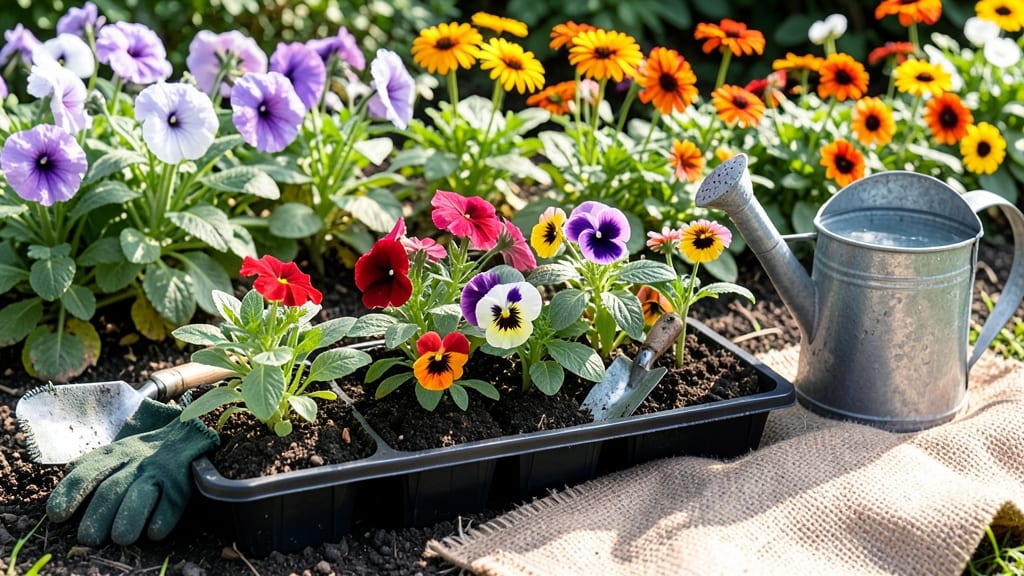
When to plant flowers in Connecticut can feel like a high-stakes game of chance—get it wrong, and you might end up with frost-nipped blooms or wilting seedlings. The last frost dates here vary wildly by region, from mid-April in coastal areas to late May in the northwest, making those 🌸 spring dreams either thrive or fizzle.
If you’ve ever rushed to plant your favorite annuals only to watch them shiver under a surprise frost, you’re not alone. The key isn’t just waiting for the calendar to say “spring”—it’s understanding your local microclimate and the specific needs of your flowers.
Whether you’re dreaming of vibrant perennials that return year after year or bold annuals that burst with color, getting the timing right is your first step to a showstopping garden.
In this guide, I’ll break down exactly when to plant flowers in Connecticut’s 5b-6b zones, from cool-season favorites like pansies to heat-loving stars like marigolds. You’ll learn how to read frost forecasts, adjust for your region, and even extend your blooming season with smart planting strategies.
Let’s turn those “what if?” moments into confident, flourishing results.
Ready to stop guessing and start growing? By the end, you’ll know not just when to plant, but how to protect your flowers from Connecticut’s unpredictable weather. Your garden’s most vibrant season starts with the right timing—and I’ve got you covered.
Connecticut’s last frost dates by region: when to plant flowers safely
Connecticut’s diverse geography creates three distinct planting zones, each with its own last frost date averages. Coastal areas near Long Island Sound warm up faster, while inland regions like the northwest hills hold frost longer.
Understanding these patterns helps you avoid frost damage to tender flowers like petunias or marigolds.
Most of Connecticut falls within USDA Zones 5b-6b, but microclimates—like valleys or urban heat islands—can shift frost dates by 1-2 weeks. For example, Hartford (central CT) typically sees its last frost around April 20th, while New London (coastal) warms up by April 10th.
These variations mean your flower planting schedule should account for local conditions.
Here’s how Connecticut’s regions break down for safe flower planting:
For perennials like coneflowers or black-eyed Susans, you can plant as early as April 1st in coastal areas, but wait until May 10th in the northwest. These hardy plants tolerate light frost, but their roots benefit from warmer soil—aim for 60°F+ ground temperatures.
Tender annuals, such as begonias or fuchsias, need to wait until two weeks after your region’s last frost date. Check the National Weather Service or local CT Agricultural Experiment Station for real-time updates, as late frosts can occur into May.
Microclimates play a huge role—south-facing slopes warm up 1-2 weeks earlier than shaded valleys. If you’re unsure, use frost cloth or start cool-season flowers like pansies indoors in March for an early edge.
Fall planting follows a similar rule: sow cool-season flowers like calendulas or stock 6-8 weeks before your first frost (typically October 15th in coastal areas, October 30th inland). This gives them time to establish roots before winter.
Pro tip: Use a soil thermometer to confirm 60°F+ soil temps before planting heat-loving flowers. This is especially critical for tomatoes (yes, they’re flowers first!) and peppers, which won’t thrive in cold soil.
Remember, Connecticut’s frost dates aren’t set in stone. A late-May frost can still happen, so keep row covers handy for delicate blooms like geraniums. With these regional guidelines, you’ll maximize your flower season from spring to fall!
Best flower planting schedule by type: annuals vs. perennials vs. bulbs
When planning your Connecticut flower garden, understanding the differences between annuals, perennials, and bulbs is essential. Each type has unique planting timelines that align with Connecticut’s USDA zones 5b-6b and variable frost dates.
Annuals offer seasonal color but must be replanted yearly, while perennials return each spring with proper care. Bulbs, like tulips, need special timing for spring blooms.
For cool-season annuals such as pansies and snapdragons, I recommend starting seeds indoors in March or transplanting hardened-off seedlings in April after the last frost. These flowers thrive in cooler temperatures and can even tolerate light frosts, making them perfect for early spring displays.
🌱Heat-loving annuals like marigolds and petunias prefer warmer soil and air temperatures. Wait until mid-to-late May to plant these after the last frost date, ensuring soil temperatures reach at least 60°F. Transplanting too early can stunt growth or invite pests.
Cool-Season Annuals
Plant pansies and snapdragons in March-April (indoors or outdoors after frost). These thrive in 50-65°F soil and tolerate light frost.
Heat-Loving Annuals
Wait until mid-May for marigolds and petunias. Soil must be 60°F+ to prevent stunted growth.
Perennials
Plant coneflowers and black-eyed Susans in spring (April-May) or fall (September) for established roots before winter.
Spring-Blooming Bulbs
Plant tulips and daffodils in October-November for spring blooms. Bulbs need 6-8 weeks of cold dormancy.
Fall Planting for Bulbs
For fall-blooming bulbs like crocuses, plant in September to establish roots before winter.
Perennials like coneflowers and black-eyed Susans are low-maintenance workhorses for your garden. Plant them in spring (April-May) or fall (September) to give roots time to establish before extreme temperatures. Fall planting is ideal for perennials in Connecticut’s climate, as it reduces transplant shock and encourages strong root growth before winter.
Bulbs, including tulips and daffodils, have a unique schedule. Plant them in October-November for stunning spring blooms. These bulbs require 6-8 weeks of cold dormancy to break their dormancy cycle, so timing is critical.
For fall-blooming bulbs like crocuses, plant in September to ensure they establish roots before winter sets in.
Pro tip: Use mulch after planting bulbs to insulate soil and protect them from extreme temperature fluctuations. This is especially important in Connecticut’s unpredictable winters. With the right timing, your garden will burst with color from early spring through late fall.
☀️