
Flowers
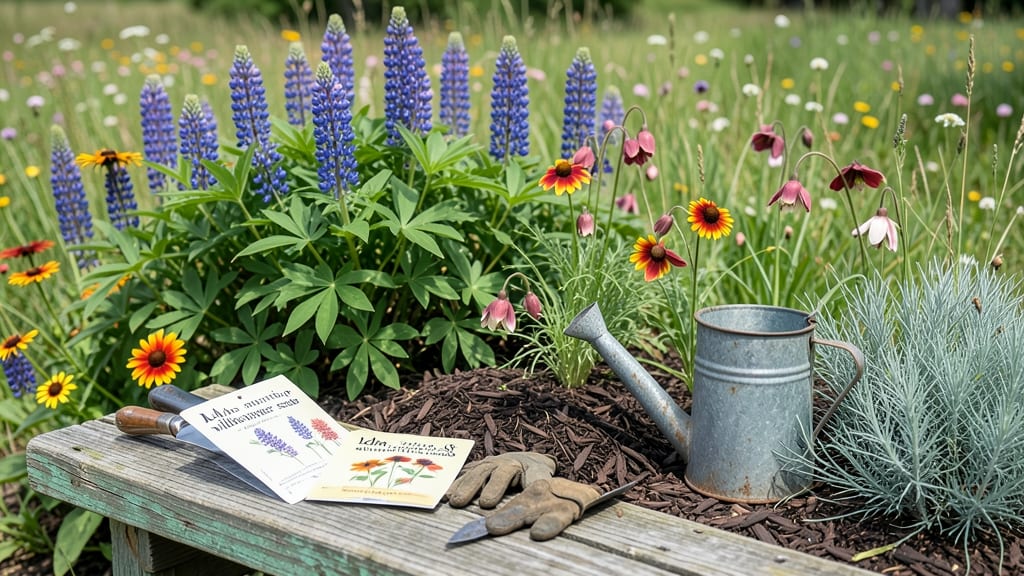
When to plant flowers in Idaho 🌸 can make all the difference between a garden bursting with color and one that struggles to take root. With frost dates shifting from mid-April in Boise to early May in northern regions, knowing when to plant isn't just helpful—it's essential for success.
I've spent years gardening in Idaho's USDA Zones 4-7, and the key is understanding your specific microclimate. Whether you're in the high desert or mountain valleys, planting too early can leave your flowers vulnerable to late frosts, while waiting too long might cut your blooming season short.
In this guide, I'll walk you through the best months to plant your favorite flowers, from cool-season bulbs to heat-loving annuals. You'll discover exactly when to start seeds indoors, when to transplant tender seedlings, and how to adjust for Idaho's unpredictable weather patterns.
Ready to transform your garden into a vibrant oasis? Let's dive into the perfect planting schedule for your Idaho region—and get those flowers thriving all season long.
Idaho flower planting calendar by region: when to start seeds vs transplants
Idaho’s five distinct planting zones create unique challenges for gardeners. Whether you're in the cool mountain valleys of the Panhandle or the hot desert basins of the Treasure Valley, knowing your last frost date and ideal transplant windows is key to success.
I’ve broken down the best times to start seeds indoors and transplant flowers outdoors for each region, so you can plan your garden like a pro.
For annual flowers, timing is everything—plant too early, and frost will kill your tender seedlings. Too late, and you’ll miss the peak bloom season. Perennials offer more flexibility, but even they benefit from proper timing to establish strong roots before winter.
Let’s dive into the specifics for each of Idaho’s five key regions, including frost dates and seed-starting schedules.
| Region | Last Frost Date | First Frost Date | Seed Start Indoors | Transplant Outdoors | Best Annuals |
|---|---|---|---|---|---|
| Panhandle (Zone 4-5) | May 15 | September 15 | March 1 - April 15 | May 20 - June 1 | Sweet peas, snapdragons, petunias |
| North Central (Zone 5-6) | April 30 | October 1 | February 15 - March 30 | May 1 - May 15 | Marigolds, zinnias, cosmos |
| South Central (Zone 6-7) | April 15 | October 15 | February 1 - March 15 | April 15 - May 1 | Sunflowers, black-eyed Susans, salvia |
| Magic Valley (Zone 6-7) | April 1 | October 30 | January 15 - March 1 | March 20 - April 15 | Geraniums, impatiens, vinca |
| Treasure Valley (Zone 6-7) | April 15 | October 15 | January 30 - February 28 | March 20 - April 10 | Lantana, portulaca, verbena |
In the Panhandle region, where winters are long and cold, start seeds indoors as early as early March for frost-sensitive annuals like petunias and snapdragons. Transplant them outdoors only after the mid-May frost date, giving them time to establish before summer heat arrives.
This region’s shorter growing season means you’ll want to prioritize fast-growing annuals and cold-hardy perennials like lavender.
For North Central Idaho, including areas like Sandpoint and Coeur d’Alene, you can start seeds slightly earlier—by mid-February.
The late April frost date gives you a bit more flexibility, but don’t rush—wait until soil temperatures reach at least 50°F (10°C) before transplanting. Zinnias and cosmos thrive here, offering long bloom times with minimal care.
If you live in South Central Idaho, such as in Twin Falls or Burley, you’ll find a longer growing season. Start seeds indoors by early February and transplant outdoors by mid-April. This region’s <
Best flowers for Idaho’s climate: heat-tolerant vs cold-hardy varieties by season
Idaho’s climate swings from scorching summer heat in the Treasure Valley to brisk mountain winters in the Panhandle, making flower selection a balancing act. The right heat-tolerant annuals and cold-hardy perennials ensure year-round color without wilting or freezing.
I’ve curated the best options for each season, so you can create a resilient, vibrant garden that thrives in Idaho’s extremes.
Spring bulbs like daffodils and tulips are your first line of defense against winter’s chill, while coneflowers and black-eyed Susans dominate summer borders. Fall chrysanthemums and winter-hardy lavender keep the show going long after most gardens fade.
Let’s dive into the specifics—planting depth, spacing, and seasonal timing—to maximize your blooms.
🌱 Planting Flowers in Idaho: Pros & Cons by Season
| Season | Pros | Cons |
|---|---|---|
| Spring (March-May) | ✅ Cool soil prevents root shock; bulbs thrive in damp conditions. | ❌ Late frosts can damage tender transplants; short daylight slows growth. |
| Summer (June-August) | ✅ Long daylight boosts blooms; heat-tolerant varieties excel. | ❌ Drought stress requires frequent watering; pests thrive in warm weather. |
| Fall (September-October) | ✅ Cooler temps reduce water needs; chrysanthemums bloom prolifically. | ❌ Early frosts can cut blooming short; soil compaction from rain. |
| Winter (November-February) | ✅ Perennials like lavender survive with mulch; low maintenance. | ❌ Frost heave can damage roots; limited color without planning. |
💡 Pro Tip: Use mulch in fall to insulate roots and retain moisture for spring blooms.
For spring planting, focus on cold-hardy bulbs like daffodils (plant 6 inches deep) and tulips (plant 8 inches deep). Space them 3-6 inches apart—they’ll naturalize over time, returning year after year.
Pair them with hardy perennials like catmint (USDA Zone 3-8) for early color. Catmint thrives in full sun and drought conditions, making it ideal for Idaho’s dry summers.
Summer calls for heat-tolerant annuals like black-eyed Susans and coneflowers. These drought-resistant stars handle Idaho’s 100°F+ days with ease. Plant them 12-18 inches apart in well-draining soil—they hate soggy roots.
Deadhead spent blooms to extend flowering until first frost. For containers, opt for petunias or zinnias, which bloom nonstop if pinched back regularly.
Fall is all about chrysanthemums and asters. These cool-season bloomers love Idaho’s September-October temps and long daylight. Plant mums 12-18 inches apart in partial shade to prevent bolting.
Add fall pansies for early winter color—they’re frost-tolerant down to 20°F. Mulch heavily after planting to protect roots from freeze-thaw cycles.
Winter-hardy perennials like lavender and Russian sage are your year-round workhorses. Lavender (USDA Zone 5-9) needs full sun and well-draining soil—amend clay soil with sand to prevent rot. Space plants 2-3 feet apart for airflow.
Russian sage (Zone 4-9) thrives in poor soil and drought, making it perfect for Idaho’s high desert regions. Prune both in early spring to encourage dense growth.
To summarize, Idaho’s climate extremes demand a strategic approach: plant bulbs in fall, annuals in spring, perennials in early summer, and extend the season with fall-blooming varieties. With these