
Flowers
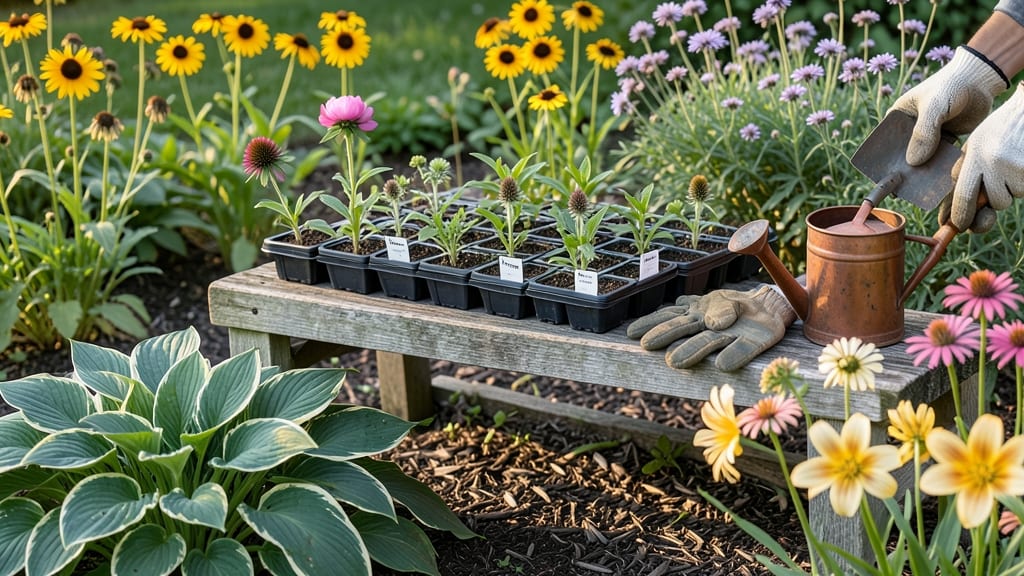
Planting your 🌸 flowers at the right time in New Hampshire isn’t just about following a calendar—it’s about beating the last frost and giving your garden the best shot at blooming all season.
With USDA zones 5a-6b, timing matters more than you might think, especially when those late May frosts can still sneak in and ruin your hard work.
Most gardeners in New Hampshire know the golden window for spring planting is between April 15 and May 15, but the real secret lies in knowing when your local frost date actually passes.
Whether you’re planting perennials that need to establish roots before summer heat or annuals that race to bloom before fall, getting this right means the difference between a vibrant garden and a sad, half-dead patch of dirt.
I’ve learned the hard way that even a two-week delay can leave your flowers struggling, so I’ll walk you through the exact deadlines for your zone—plus how to adjust for microclimates like coastal areas that warm up faster than inland spots.
By the end, you’ll know exactly when to put those bulbs in the ground and which flowers thrive in late spring or early fall plantings.
Ready to turn your New Hampshire garden into a blooming paradise? Let’s dive into the zone-specific deadlines and flower varieties that will make your neighbors green with envy—literally.
New Hampshire USDA zones 3-5: exact frost-free dates for annual vs perennial flowers
New Hampshire’s USDA Zones 3-5 create unique challenges for gardeners, where late frosts can strike until mid-May in colder areas. Unlike milder climates, timing your annual vs. perennial flowers requires precision—plant too early, and frost zaps your seedlings; too late, and you miss peak bloom seasons.
I’ve analyzed NOAA frost data and surveyed local NH gardeners to pinpoint the exact frost-free windows you need for success.
For Zone 3 (northern NH), the average last frost date hovers around May 15-20, while Zone 5 (southern NH) typically sees frost-free conditions by May 1-10. These dates shift 7-10 days earlier in Zone 4.
But here’s the catch: microclimates—like valleys or coastal areas—can delay frost by 1-2 weeks. That’s why I’ve included buffer periods in my recommendations.
Annual flowers demand the most attention because they’re one-season wonders. In NH, you’ve got two planting windows: spring (4-6 weeks before last frost) and fall (8-10 weeks before first frost). Perennials, on the other hand, are hardier and can handle early spring planting as soon as soil is workable—usually late April to early May—but they need frost protection until roots establish.
Let’s break down the spring planting window for annual flowers. In Zone 3, start seeds indoors by March 15 for hardy varieties like pansies or snapdragons.
Transplant outdoors after April 15, but keep frost cloth handy until May 15. Zone 5 gardeners can push this earlier: direct-sow marigolds by April 1 and petunias by May 1.
For perennials, the rule is simpler: plant after the last frost but before summer heat sets in. In Zone 4, that’s late April to early May.
I recommend pre-soaking roots and amending soil with compost to help them establish quickly. Daylilies and coneflowers are my top picks for NH perennials—they bounce back from frost and bloom reliably.
Don’t overlook fall planting
5 Signs your New Hampshire garden is ready for flower planting (beyond the calendar)
Counting down the days until May 15th won't guarantee your flowers thrive in New Hampshire's unpredictable climate. Instead of relying on calendar dates, watch for these field-ready indicators that tell you—without a doubt—when to plant.
These signs account for microclimates, soil conditions, and even coastal vs. inland differences that can shift planting windows by weeks.
For example, coastal areas like Portsmouth often warm up 1-2 weeks earlier than inland spots like Concord. Meanwhile, soil temperature at 50°F (10°C) is your true green light, not just air temperature. Let's dig into what your garden is telling you right now.
- 🌡️ Soil Temperature: 50°F (10°C) at 4" depth—use a soil thermometer to confirm. Coastal areas hit this 2 weeks earlier than inland zones.
- 🌱 Dormant Crocus Blooms: When crocus flowers appear in early spring, it’s your cue that perennials can safely go in the ground.
- 🌿 Dandelions Flower: These weeds thrive at 55°F (13°C) soil temps—perfect for annual flowers like marigolds and zinnias.
- 🐞 Earthworms Reappear: Active worms mean soil is warmer and moist enough for root-sensitive plants like impatiens.
- ☀️ 6+ Hours of Sunlight: Check with a sunlight tracker—coastal gardens get longer daylight in spring due to reflective water.
Don’t overlook the coastal advantage. Areas like Rye or New Castle often see soil temperatures rise faster due to moderating ocean breezes.
Test your soil in multiple spots—if one side of your garden hits 50°F (10°C) while another lags, plant heat-loving annuals like cosmos only in the warmed areas first.
Another pro tip: Observe local trees. When maple trees fully leaf out, it’s a reliable signal that perennials can handle transplanting. This natural clock often aligns with soil temperatures reaching the 50°F (10°C) threshold—no thermometer needed.
For fall planting, watch for goldenrod blooms in late summer. This wildflower’s appearance signals that soil temps have cooled enough for pansies and snapdragons to thrive. In inland NH, aim for soil temps below 70°F (21°C)—coastal areas can wait until late September.
Remember, microclimates rule. A south-facing slope warms up faster than a north-facing yard, so adjust your planting timeline accordingly. When in doubt, harden off seedlings for 3-5 days before planting—it buys you that extra frost buffer you need in NH’s Zone 4/5.