
Flowers
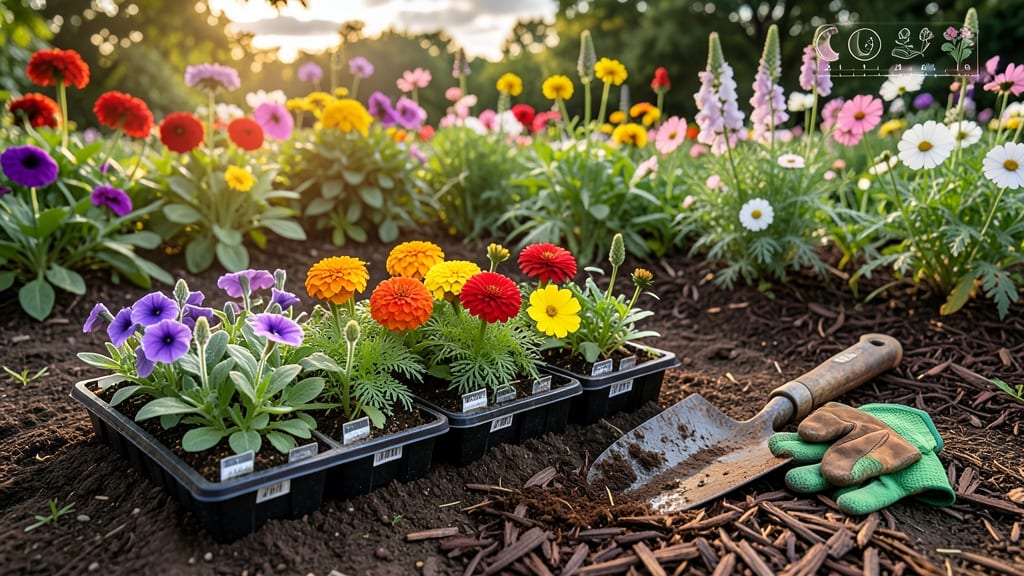
Timing your 🌸 flowers planting in New York isn’t just about picking a month—it’s about beating the frost, outsmarting unpredictable weather, and giving your blooms the best shot at thriving before summer heat sets in.
Upstate gardeners in USDA Zone 6a face a late May last frost, while NYC’s Zone 7a gardeners can start 2-3 weeks earlier. Get it wrong, and you’ll either have frost-nipped seedlings or flowers that wilt before they even peak. I’ve seen both happen—and trust me, neither is pretty.
What if you could plant once and enjoy bold blooms all season—without the guesswork? That’s exactly what I’ll show you, from the perfect late-April window for cool-season annuals to the August fallback for perennials that need a second chance.
Whether you’re in the Hudson Valley or Long Island, we’ll break down the exact deadlines you need, plus soil prep secrets and flower varieties that actually survive NY’s short but intense growing season. Let’s get those gardens bursting with color—on time.
NY flower planting calendar by region: frost dates & best months for annuals & perennials
New York’s diverse climate creates a gardener’s challenge—what thrives in NYC’s Zone 7a might freeze in Buffalo’s Zone 6a. Understanding your last frost dates and microclimates is key to timing plantings perfectly.
Whether you’re in the Hudson Valley or Long Island, this calendar ensures your annuals and perennials bloom on cue.
Cool-season flowers like pansies and snapdragons can handle light frosts, while warm-season favorites (think marigolds and zinnias) need soil temperatures above 60°F. Below, I’ve broken down planting windows by region, so you can start sowing with confidence—no more guessing when to pop those seeds in the ground!
Pro Tip: Use a soil thermometer to verify readiness. Cool soil delays germination, even if air temps are warm. For perennials, fall planting (August-September) gives roots time to establish before winter.
| Region | Last Frost Date | Cool-Season Planting | Warm-Season Planting | Fall Planting Window | Zone |
|---|---|---|---|---|---|
| NYC & Long Island | Mid-April | Late March - Early May | Mid-May - Early June | Late August - Mid-Sept | 7a-7b |
| Hudson Valley | Early April | Early April - Late April | Late May - Early June | Late August - Early Sept | 6b-7a |
| Finger Lakes | Late April | Mid-April - Early May | Early June - Mid-June | Early Sept - Mid-Sept | 6a-6b |
| Western NY (Buffalo) | Late May | Early May - Early June | Mid-June - Early July | Late Aug - Early Sept | 6a |
🌱 Note: Adjust 1-2 weeks earlier for south-facing beds or later for shady spots.
In NYC and Long Island, where Zone 7b reigns, you can start cool-season flowers as early as late March under frost cloth. But wait until mid-May for warm-season annuals like geraniums and petunias—soil must be consistently above 60°F for 2 weeks.
Upstate regions like the Hudson Valley and Finger Lakes experience later last frosts, often mid-April to late April. Here, hardy perennials such as coneflowers and black-eyed Susans can be planted in early May, while delicate annuals wait until early June.
For Western NY, including Buffalo’s Zone 6a, play it safe: warm-season flowers like sunflow
How to adjust your planting schedule for NY’s unpredictable weather patterns
New York’s unpredictable weather can turn a perfect spring day into a late frost nightmare overnight. I’ve learned the hard way—my marigolds once wilted after a 50°F dip in early June! The key is flexibility in your planting schedule, not rigid deadlines.
Start by checking your local last frost date—NYC’s average is mid-April, but Upstate regions like Buffalo can see frost until late May. Use a soil thermometer ($10 at garden centers) to confirm when temps hit 60°F at 4 inches deep.
This is your green light for warm-season flowers like petunias and zinnias.
- Test soil at 60°F before planting warm-season flowers (May-June).
- Use frost cloth (or old bedsheets!) for 2-3 weeks after last frost for tender plants.
- Plant staggered batches every 2 weeks to extend bloom season.
- Switch to cool-season flowers (pansies, snapdragons) if frost threatens after June.
- Mulch with straw or leaves to protect roots from temperature swings.
For extended bloom seasons, try the successive planting trick: Sow half your seeds at the recommended time, then plant the rest 2-3 weeks later. This ensures continuous blooms from June through September—perfect for cutting gardens! My cosmos now bloom from July to frost thanks to this method.
Don’t overlook fall planting for perennials like black-eyed Susans or coneflowers. Plant in late August-September when soil is still warm but nighttime temps drop below 70°F. Young roots establish without competing with summer heat, giving you a head start next spring.
When heatwaves hit (and they will—NY summers average 85°F), prioritize shade-loving flowers like impatiens or coleus for containers. For in-ground plants, water deeply every 2-3 days at the soil level (not leaves) to prevent fungal diseases. A 5-gallon bucket of water per plant keeps roots happy during droughts.
Remember: NY’s microclimates matter. A south-facing slope warms faster than a north-facing garden, so adjust planting times accordingly. My tomatoes on the sunny wall ripen 2 weeks earlier than those in the shady border—same principle applies to flowers!