
Flowers
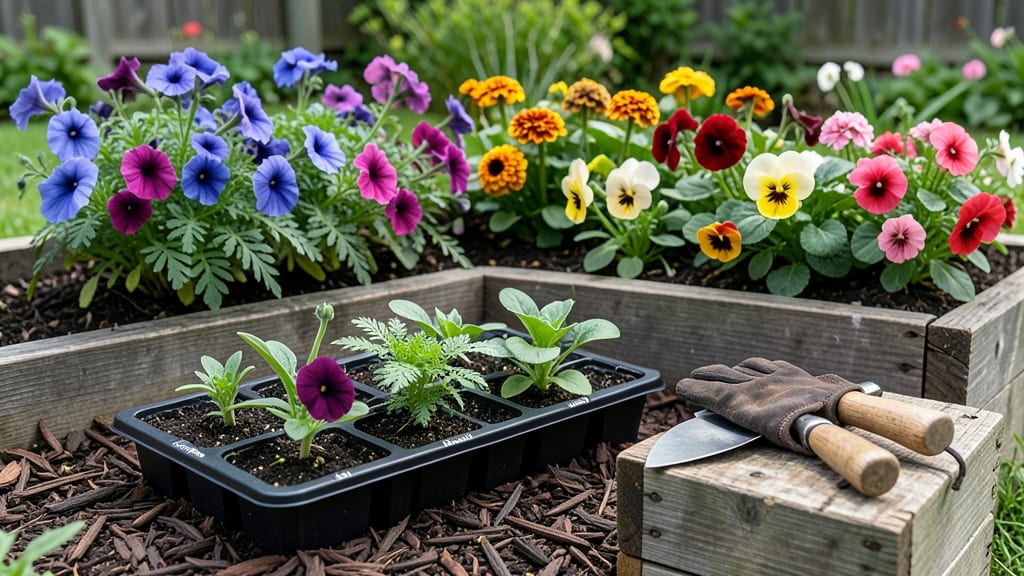
Planting flowers in Pittsburgh at the wrong time can mean waiting months for blooms—or worse, watching them freeze before they even sprout. With last frost dates hovering around April 15 and unpredictable spring swings, timing is everything for a vibrant garden that thrives year after year.
I’ve tested the best planting windows for 🌸 annuals, perennials, and bulbs in USDA Zone 6a, so you don’t have to guess.
Whether you’re dreaming of spring tulips or fall mums, knowing exactly when to plant ensures your flowers emerge strong and bloom on schedule—no more wasted effort or disappointed gardeners.
In this guide, I’ll break down the ideal months for each type, share Pittsburgh’s most reliable varieties, and reveal tricks to extend your blooming season. Ready to transform your yard into a four-season showstopper? Let’s get started.
From cold-hardy coneflowers to tender annuals, you’ll learn how to time your plantings like a pro—so your garden stays ahead of Pittsburgh’s unpredictable weather, no matter what Mother Nature throws your way.
Pittsburgh’s last frost dates and best flower planting windows by month
Pittsburgh’s USDA Zone 6a/6b climate means your flower planting schedule hinges on knowing the last average frost date—typically between April 15 and May 15. This window separates successful blooms from frozen seeds, especially for tender annuals like marigolds or petunias.
But don’t rely solely on averages: urban heat islands in downtown Pittsburgh can delay frost by 1-2 weeks compared to rural areas.
For cold-hardy flowers like tulips or daffodils, you can plant bulbs as early as October, giving roots time to establish before winter. Meanwhile, perennials like coneflowers thrive when planted in spring (April-May) or early fall (September).
The key? Adjusting for microclimates—your backyard might be warmer or cooler than the city’s official data.
Here’s your Pittsburgh flower planting calendar, broken down by flower type and month, with adjustments for urban heat islands and microclimates:
If you’re unsure about your local frost date, check the National Weather Service Pittsburgh or use a local garden center’s frost calendar. For example, Phipps Conservatory often updates their frost data annually.
Pro tip: Plant successional bloomers like cosmos or zinnias every 2–3 weeks in late spring to ensure continuous color.
For urban heat islands, like neighborhoods near the Three Rivers Stadium area, plant heat-loving flowers like lantana or salvia slightly earlier (by April 1) since these zones warm up faster. Conversely, shady microclimates (e.g., under large trees) may need partial-shade flowers like impatiens planted after May 1.
Don’t forget fall planting! Many cool-season flowers, such as calendulas or stocks, thrive when sown in August–September. This gives them time to germinate before winter dormancy. Use a soil thermometer to confirm 50–60°F soil temps before planting seeds.
Adjust your schedule if you notice unseasonable cold snaps. For instance, if a late-May frost hits (like in 2019), protect tender seedlings with frost cloth or move pots indoors temporarily. Monitor local forecasts and use frost-free dates as guidelines, not rules.
Finally, native Pittsburgh flowers like bee balm or columbine are your best bet for low-maintenance success. They’re adapted to the city’s humid summers and variable springs, blooming reliably year after year with minimal fuss. Start with these hardy varieties to build confidence before experimenting with tropical annuals.
With these planting windows and local adjustments, your Pittsburgh garden will bloom on cue—just in time for summer’s first golden-hour light over the Monongahela River. Happy planting! 🌸
Top 10 flowers to plant in Pittsburgh (ranked by hardiness and bloom time)
Pittsburgh’s USDA Zone 6a climate means we can grow flowers that thrive in both early spring and late fall, but timing is everything. I’ve picked the top 10 hardiest flowers that bloom reliably here, from cold-tolerant perennials to cheerful annuals that handle our hot summers and chilly nights.
These varieties won’t just survive—they’ll thrive and attract pollinators all season long.
Whether you’re a beginner or a seasoned gardener, this list helps you prioritize based on cold tolerance, drought resistance, and bloom time. Plant these in the right spots, and your garden will look like a Pittsburgh postcard all year round.