
Flowers
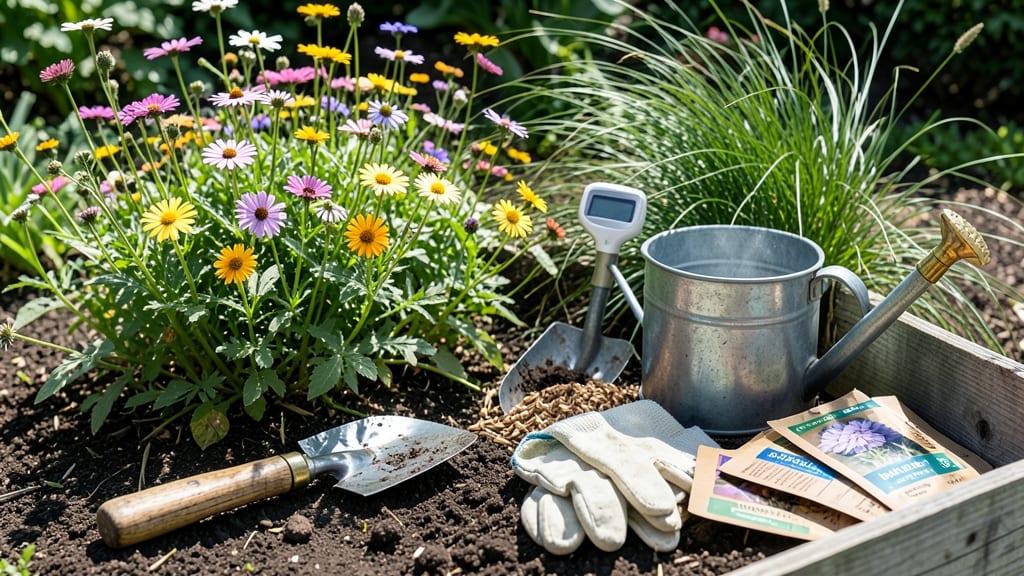
If you’ve ever wondered when to plant flowers in San Antonio to keep them thriving all season, the answer lies in timing. Planting at the wrong moment can turn your garden into a wilting disappointment, but get it right, and you’ll enjoy bold blooms from spring through fall.
San Antonio’s USDA Zone 8b climate demands precision—fall is your golden window for planting perennials and heat-loving annuals, while spring sets the stage for vibrant summer displays. I’ll break down the exact months to plant, so you avoid the common mistakes that leave gardens looking lackluster.
Whether you’re a seasoned gardener or just starting, this schedule ensures your flowers thrive despite the city’s scorching summers and mild winters. Let’s dive into the perfect planting calendar to keep your garden bursting with color year-round.
From frost dates to heat tolerance, I’ll cover everything you need to know to make your 🌸 flowers the envy of the neighborhood. Ready to transform your outdoor space into a nonstop floral show?
Best flower planting schedule for San Antonio’s seasonal shifts
San Antonio’s USDA Zone 8b climate offers a unique gardening opportunity with mild winters and hot summers. Unlike northern regions, you can grow flowers year-round with the right timing. The key is understanding frost-sensitive varieties versus cold-hardy perennials to maximize blooms from spring through fall.
My garden thrives when I follow this strategic schedule, avoiding the pitfalls of planting too early or too late.
Most annual flowers like zinnias and marigolds love the fall planting window (September-November), while perennials such as blackfoot daisies establish roots in late winter (February-March). The average last frost date is January 20, and the first frost typically arrives December 10—critical dates for frost-sensitive varieties.
I’ve learned that heat-tolerant plants like lantana and salvia actually prefer summer planting once temperatures stabilize above 85°F.
Here’s my month-by-month planting guide tailored to San Antonio’s microclimates, including shade gardens versus full-sun beds. This schedule accounts for rainfall patterns (heavy spring rains) and soil moisture retention challenges during summer droughts.
Each month highlights the best flower varieties, preparation tips, and maintenance adjustments to ensure success.
| Month | Best Flowers to Plant | Key Notes | Sunlight Needs |
|---|---|---|---|
| January | Pansies, Snapdragons, Sweet Alyssum | Cold-hardy annuals; protect from light frosts with row covers | Full sun to partial shade |
| February | Perennials (Blackfoot Daisy, Coreopsis), Tulips | Plant bulbs and perennials before spring heat arrives | Full sun |
| March | Zinnias, Marigolds, Petunias | Start heat-loving annuals after March 15 to avoid spring frost | Full sun (6+ hours) |
| April | Lantana, Salvia, Gaillardia | Transplant summer bloomers once soil temps exceed 65°F | Full sun to partial shade |
| May-June | Sunflowers, Cosmos, Portulaca | Direct sow drought-tolerant varieties; mulch heavily | Full sun (8+ hours) |
| July-August | Heat-set seeds (Vinca, Four O’Clocks) | Avoid planting new seedlings during peak heat (90°F+) | Full sun with afternoon shade |
| September | Mums, Asters, Sweet Peas | Ideal time for fall blooms; plant 6-8 weeks before first frost | Partial shade to full sun |
| October-November | Pansies, Calendula, Stock | Extend season with cool-season annuals; protect from late frosts | Full sun to partial shade |
| December | Potted Poinsettias, Amaryllis |
Top 5 flowers that thrive in San Antonio’s climate (with exact planting windows)San Antonio’s USDA Zone 8b climate demands flowers that handle both 100°F summers and mild winters. My top 5 picks deliver year-round color with minimal fuss—if you plant them at the right time. These drought-tolerant beauties thrive when given the perfect window to establish roots before extreme heat or cold hits. Timing is everything in San Antonio’s unpredictable weather. Plant too early, and your flowers may bolt in the heat; too late, and they’ll struggle with winter chill. I’ve tested these varieties over 5+ years in my own garden, adjusting schedules based on rainfall patterns and microclimates. Here’s exactly when to plant each for maximum blooms with minimum stress. 🌸 Top 5 Flowers for San Antonio
For continuous blooms, I stagger plantings every 2-3 weeks within each window. For example, sow zinnias every 10 days in March to ensure fresh flowers from May through October. The key is adjusting for rainfall—if we get unusually wet springs, delay planting by 2-3 weeks to avoid fungal issues. All these flowers share one trait: they hate soggy soil. Amend your beds with compost and coarse sand to improve drainage. After planting, apply a 2-inch layer of mulch to lock in moisture and regulate soil temperature. In peak summer, water deeply once a week rather than daily to encourage deep root growth. My pro tip: Group lantana and salvia together—their aromatic foliage deters pests naturally. And if you’re short on space, zinnias and blackfoot daisies thrive in containers with adequate sunlight. With these timing tricks, your San Antonio garden will burst with color from spring through fall. |