
Flowers
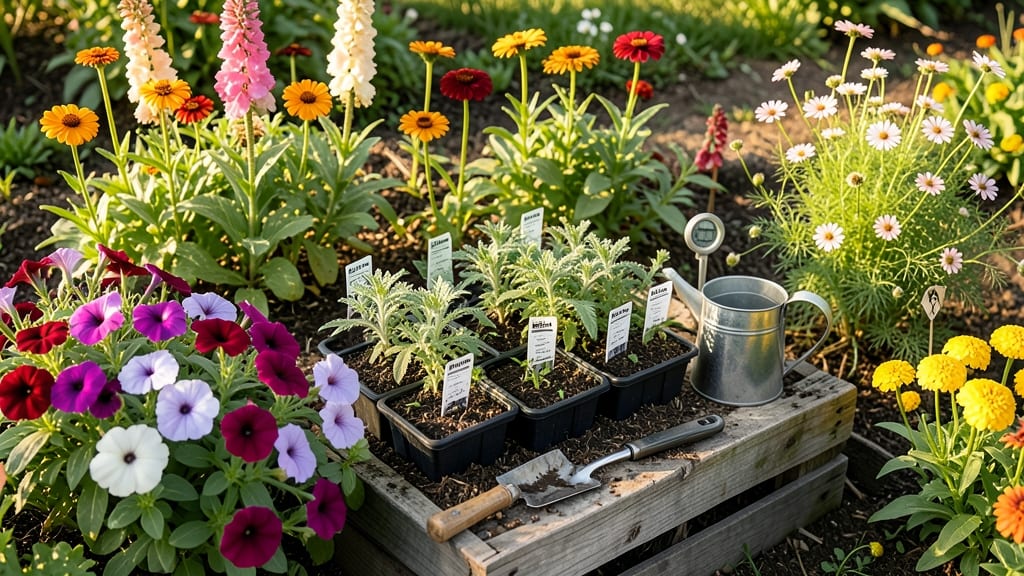
Planting your spring flowers at the wrong time can mean the difference between a vibrant garden and a sad, wilted disappointment.
The key to perfect timing lies in knowing when your local soil is warm enough and when the last frost has passed—because even the hardiest 🌸 varieties need the right conditions to thrive.
Most gardeners in Zone 6 can start planting after April 15, but that’s just the starting point. Different flowers have different needs—annuals like zinnias love the heat, while perennials such as peonies prefer cooler soil.
I’ll break down exactly when to plant each type, so you never miss a bloom.
Whether you’re a beginner or a seasoned gardener, getting the timing right ensures your flowers grow strong and last all season. Let’s dive into the science behind chill-hour requirements and how to adjust for your specific region.
By the end, you’ll have a clear checklist for soil prep, planting windows, and even how to extend your bloom season. No more guesswork—just beautiful, thriving flowers that make your garden the envy of the neighborhood.
Spring flower planting timeline by chill-hour requirements
Spring brings a burst of color, but knowing when to plant flowers depends on more than just calendar dates. Chill-hour requirements—the number of hours below 45°F (7°C) a plant needs to trigger blooming—dictate the perfect planting window.
Cool-season flowers like pansies thrive with 300+ chill hours, while heat-lovers like zinnias need minimal chill. Matching your region’s USDA Zone and last frost date to these needs ensures vibrant blooms all season.
For example, in Zone 3, where winters are harsh, you can plant hardy perennials like peonies in early spring (March) to take advantage of accumulated chill hours.
Meanwhile, in Zone 10, where frost is rare, you’ll focus on warm-season annuals like marigolds planted in late winter (February) to avoid heat stress. The key? Start with bulbs and cool-loving perennials, then transition to annuals as temperatures rise.
| Flower Type | Chill-Hour Needs | Planting Window (USDA Zones 3-10) | Soil Temp Requirement | Notes |
|---|---|---|---|---|
| Cool-Season Annuals (Pansies, Snapdragons, Sweet Alyssum) | 300-600 hours | Zones 3-6: 4-6 weeks before last frost (March-April) Zones 7-10: Fall or early spring (Feb-March) |
40-50°F (4-10°C) | Tolerates light frost; succession plant every 2-3 weeks |
| Perennials (Peonies, Lavender, Coneflowers) | Varies (300-1,200 hours) | Zones 3-5: Early spring (April) or fall (Sept-Oct) Zones 6-10: Fall (Oct-Nov) or early spring (March) |
50-60°F (10-15°C) | Establishes deep roots; mulch to protect from winter dieback |
| Spring-Blooming Bulbs (Tulips, Daffodils, Hyacinths) | 1,000-1,500 hours | All Zones: Fall (Oct-Nov) for spring bloom Exception: Paperwhites (plant indoors Dec-Feb) |
45-55°F (7-13°C) | Plant bulbs 6-8" deep; fertilize in fall for next year’s blooms |
| Warm-Season Annuals (Zinnias, Marigolds, Petunias) | 0-100 hours | Zones 3-5: After last frost (May-June) Zones 6-10: Feb-March (soil temp 60°F+) |
60-70°F (15-21°C) | Direct-sow or transplant; avoid transplant shock with shade cloth |
| Heat-Tolerant Perennials (Black-Eyed Susans, Russian Sage) | 0-300 hours | Zones 3-6: Early spring (April) or fall (Sept) Zones 7-10: Fall (Oct-Nov) |
55-65°F (13-18°C) | Drought-tolerant; prune back in early spring to encourage new growth |
Let’s break down the week-by-week planting timeline for USDA Zones 3-10, starting with the earliest chill-loving plants. In Zone 3, begin with hardy bulbs like daffodils in early March (Week 10) when soil temperatures hover around 40°F (4°C).
By Week 12 (late March), add cool-season annuals like pansies to catch early blooms before summer heat arrives. In Zone 10, where frost is rare, start warm-season annuals like zinnias indoors in Week 5 (February) to transplant outdoors by Week 12.
For perennials like coneflowers, timing varies by zone. In Zone 5, plant in early April (Week 14) when soil warms to 50°F (10°C), while in Zone 8, wait until late February (Week 7) to avoid winter dieback.
Always check your local last-frost date—a quick Google search for “[Your City] last frost date” saves guesswork. Pro tip: Use frost cloth to extend the season for heat-sensitive plants in cooler zones.
Bulbs are the exception to the rule—most need to be planted in fall (September-October) to establish roots before winter. However, paperwhite narcissus can be forced indoors in December for a Christmas bloom.
For spring-planted bulbs like tulips, focus on Zone 3-7 varieties, which handle colder soils better than Mediterranean types. Always plant bulbs 3x deeper than their height for stability and disease prevention.
Succession planting is your secret weapon for continuous blooms. For example, in Zone 6, plant snapdragons in Week 10 (March), then marigolds in Week 14 (April), followed by zinnias in Week 18 (May).
This staggered approach ensures flowers from early spring through fall. In containers, use heat-mats to warm soil for early starts, especially in Zone 4 or colder, where cold soils delay germination.
Don’t overlook soil preparation—amend clay-heavy soils with compost and sand to improve drainage, while sandy soils benefit from organic matter like peat moss. Test your soil’s pH: Most flowers thrive in 6.0-7.0
Regional spring planting calendar for 10 key cities
Your spring flower planting success depends entirely on your location. A New York garden has completely different timing needs than Los Angeles or Chicago. Each city experiences unique last-frost dates, microclimates, and even urban heat islands that affect when you should plant.
I’ve compiled a regional guide so you can plant with confidence—whether you’re in a cold northern city or a warm southern one.
For urban gardeners with containers, timing adjustments are critical. Potted plants warm up faster than in-ground soil, meaning you can plant 2-3 weeks earlier in containers. But watch for overnight temperature drops—even in warm climates like Phoenix or San Diego, unexpected frost can still occur in desert valleys.