
Plants
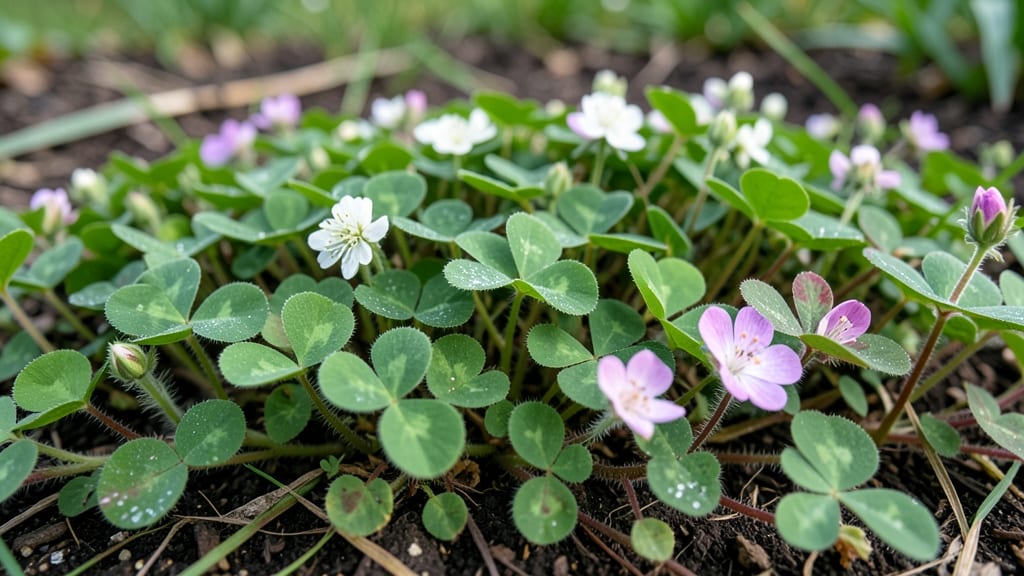
Planting food plots for deer 🌾 in Georgia at the wrong time can leave your property looking like a deer-free desert—even when bucks are hungry just yards away.
The secret lies in understanding how Georgia’s 7b-8b climate and soil types shift the ideal planting window from late summer to early spring, with regional tweaks that make all the difference.
Most hunters assume spring is the only game-changer, but Georgia’s August-October window actually gives you a head start on winter forage—critical when deer are most active.
I’ll break down exactly when to plant for clay, sandy, and loamy soils, plus how to adjust for coastal humidity or mountain frost risks that can ruin a plot in 30 days.
You’ll discover which crops—like clover or brassicas—thrive in Georgia’s heat, how to time planting for peak rut activity, and why soil temperature matters more than calendar dates. Let’s turn your food plots from a guessing game into a deer magnet.
With Georgia DNR-backed strategies and pro tips to avoid common mistakes, you’ll learn how to extend forage year-round—so your property stays green when other hunters are left scrambling. Ready to get started?
Optimal planting months for Georgia food plots by soil type
Georgia's diverse soil types—clay, sandy, and loamy—drastically impact when and how you should plant food plots for deer. Clay soils hold moisture but compact easily, while sandy soils drain too fast and struggle to retain nutrients. Loamy soils strike the perfect balance, but even they need adjustments based on your region's frost dates and rainfall patterns.
Let’s break down the best planting windows for each soil type to maximize deer activity year-round.
For clover-based plots (like crimson clover or white clover), aim for late summer to early fall (August–October) when soil temperatures drop below 85°F. These cool-season crops thrive when nights cool down, and their high protein content attracts deer during the rut season.
In loamy soils, seeds germinate faster due to better moisture retention, but clay soils may need pre-planting tillage to break up compaction.
Brassicas (such as turnips, radishes, and kale) are best planted in early spring (February–March) or late summer (August) for a fall harvest. Sandy soils require frequent watering to prevent seed desiccation, while clay soils can hold enough moisture to reduce irrigation needs. These crops provide high-energy forage that deer crave during winter food shortages, making them a staple in any Georgia food plot strategy.
Warm-season forage mixes (like sorghum-sudangrass or pearl millet) should be planted in late spring (April–May) when soil temperatures consistently stay above 60°F.
These plots offer summer and early fall forage, bridging the gap between spring and fall plantings. Loamy soils are ideal for these mixes, but sandy soils may need organic matter amendments to improve water retention.
| Soil Type | Best Planting Window | Key Considerations | Germination Temp | Watering Needs |
|---|---|---|---|---|
| Clay | Late Aug–Oct (clover), Feb–Mar (brassicas) | Tillage required; holds moisture well | 60–70°F | Moderate (drainage issues) |
| Sandy | Apr–May (warm-season), Feb (brassicas) | Amend with compost; frequent watering | 65–75°F | High (fast drainage) |
| Loamy | Aug–Oct (clover), Apr–May (warm-season) | Ideal for most crops; minimal prep | 55–70°F | Moderate (balanced) |
In clay soils, focus on deep-rooted crops like alfalfa or clover, which thrive despite poor drainage.
These soils stay moist longer, reducing the need for irrigation but requiring pre-planting aeration to prevent compaction. Sandy soils, common in coastal Georgia, demand organic matter additions (like compost or peat moss) to improve water retention. Plant fast-growing brassicas here for quick deer forage, especially in drought-prone areas.
Loamy soils are the gold standard for Georgia food plots, offering the best balance of drainage and nutrient retention. They’re perfect for diverse mixes, including clover, brassicas, and warm-season grasses. If your soil is loamy, you can extend planting windows slightly—late August for fall clover or early April for warm-season plots—without compromising germination rates.
Soil temperature is critical for germination.
Use a soil thermometer to confirm temps are ideal: 60–70°F for cool-season crops and 70–80°F for warm-season plots. Clay soils cool down faster in fall, making them ideal for late-season clover plantings, while sandy soils warm up quicker in spring, allowing earlier brassica plantings.
Always adjust your schedule based on local frost dates—Georgia’s last frost typically occurs around mid-March in most regions.
For maximum deer activity, stagger your plantings across soil types. Start with warm-season mixes in sandy soils (April), transition to clover in clay soils (August), and finish with brassicas in loamy soils (February). This year-round forage strategy ensures deer always have fresh
Georgia region-specific food plot timing: coastal vs. Piedmont vs. Mountains
Georgia's three distinct regions—Coastal Plain, Piedmont, and Mountains—create wildly different conditions for food plots. Coastal areas bake in humidity, while mountain zones face early frosts.
Even a 2-week planting shift can mean the difference between a thriving plot and a failed experiment. Let me show you the exact windows that work for each region.
The key factor? Last frost dates and soil warmth. Coastal Georgia averages its last frost by mid-March, while mountain regions can see frost as late as mid-April.
Piedmont sits in between, with late March being the safer bet. I’ll break down how these dates translate into planting schedules tailored to your specific location.
🌾
For Coastal Georgia, focus on August-October plantings to beat summer heat. The region’s high humidity means brassicas like turnips and radishes need extra irrigation—especially in drought-prone areas near Savannah or Brunswick. Spring plantings should start by mid-February to ensure germination before soil temperatures climb above 85°F.
In the Piedmont, where Atlanta’s clay soils dominate, aim for early September fall plantings. This region’s soil pH often needs adjustment—test yours and amend with lime if below 6.0.
Spring plantings can begin as early as late February, but watch for late frosts in higher elevations near Dahlonega or Ellijay.
Mountain regions like Blue Ridge demand patience—plant no earlier than late March to avoid frost damage. Focus on cold-hardy clovers and avoid brassicas, which struggle in the shorter growing season. The first frost often hits by mid-October, so wrap up fall plantings by early September for reliable establishment.
Pro tip: Use a soil thermometer to confirm 60-70°F soil temps before planting—this beats guessing based on calendar dates alone. In drought-prone areas, consider cover crops like winter rye to protect soil moisture for next year’s plots.
🌿