
Planting
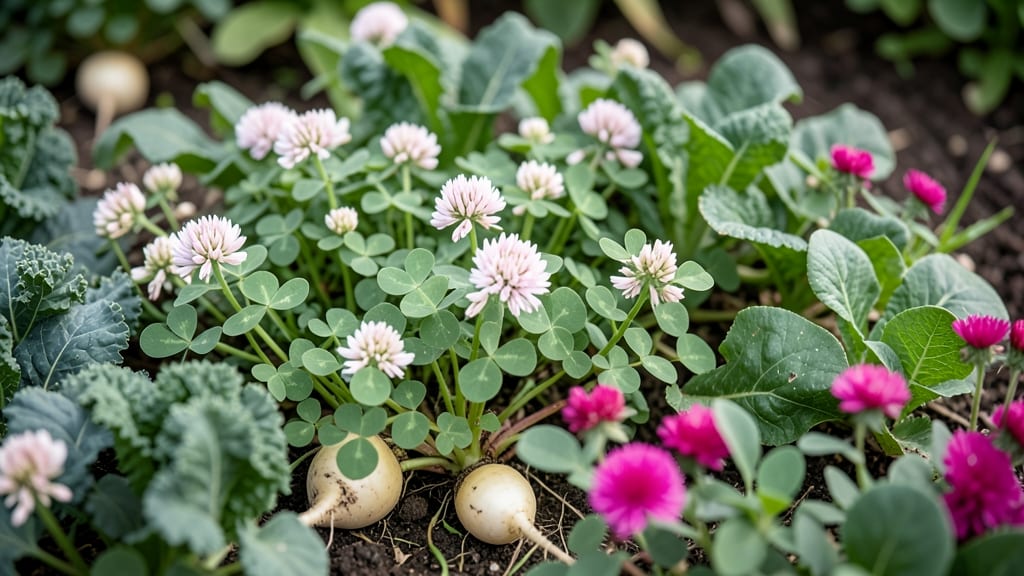
Planting deer food plots at the wrong time in Kentucky can mean wasted seeds and disappointed whitetails—so getting the timing right is the key to lush growth and hungry deer at your feeder.
With Kentucky’s 6a-7a climate, you’ve got two prime windows: early spring when the ground thaws or late summer when summer heat starts to ease. These moments matter because deer behavior shifts with the seasons, and your plots need to align with their natural feeding rhythms.
I’ve seen firsthand how a food plot planted just two weeks too late can struggle with heat stress or frost, leaving you with patchy coverage instead of a deer magnet. The solution?
Start with soil prep in February, test your pH, and lock in your planting schedule by late March or early August. This isn’t just about throwing seeds on the ground—it’s about creating a year-round buffet that keeps bucks coming back, especially during hunting season.
What makes Kentucky’s timing unique is the balance between frost-free days and deer activity peaks. Spring plots need to establish before the first whitetail rut in October, while fall plantings should be in by September to avoid early frosts.
Whether you’re growing clover for early season browse or brassicas for winter appeal, the right timing turns your plot into a reliable food source instead of a gamble.
Let’s break down the exact months to plant, the crops that thrive in each window, and how to adjust for Kentucky’s microclimates—so you can stop guessing and start growing plots that deer can’t resist.
Optimal Kentucky food plot planting calendar: spring vs fall timing explained
Kentucky’s whitetail deer rely on food plots for nutrition, but the planting window makes all the difference. In USDA Zones 6a-7a, timing affects seed germination, deer attraction, and plot longevity.
Whether you're planting clover, brassicas, or chicory, understanding Kentucky’s microclimates and frost dates ensures success.
Northern Kentucky (e.g., Lexington, Louisville) has earlier frost dates than southern regions (e.g., Bowling Green, Paducah). This means spring planting in March-April works in southern Kentucky but may risk late frosts in the north. Fall planting (August-September) offers a safer window for cooler climates.
Your deer food plot should align with whitetail feeding patterns. Deer crave nutrient-rich growth in spring (new shoots) and fall (pre-rut bulk). Planting too late in spring or too early in fall can leave gaps in their diet, reducing plot effectiveness.
Here’s how to choose the best planting strategy for your Kentucky location:
For northern Kentucky, prioritize fall planting (August-September) to avoid late spring frosts. Clover and brassicas thrive in these conditions, providing early fall forage when deer bulk up before the rut. In southern Kentucky, you can push spring planting later (into April) due to milder winters.
Always test soil pH before planting—Kentucky’s clay soils often need lime adjustments. Aim for a pH of 6.0-6.5 to maximize seed germination and plant vigor. Use a no-till drill to minimize soil disturbance and retain moisture, especially in drought-prone areas.
If you’re planting multiple crops, stagger your planting dates. For example, sow chicory in late summer for fall growth, then add winter wheat in October for spring forage. This extended forage window keeps deer visiting year-round.
Remember: Deer behavior shifts with seasons. A spring plot should be ready by April to coincide with fawn birth and antler growth. A fall plot should peak in October-November during the rut when bucks need extra nutrition.
Pro tip: Use cover crops like ryegrass in winter to prevent erosion and improve soil health between plantings. This keeps your food plot ecosystem productive and deer-friendly year-round.
Top 5 Kentucky-friendly food plot crops and their perfect planting months
Kentucky’s deer rely on food plots that provide nutrition year-round, but the best planting times depend on the crop. Spring planting (March-April) gives deer summer forage, while fall planting (August-September) ensures winter sustenance. Let’s break down the top 5 crops and their ideal timing for maximum deer attraction.
These crops were chosen for their hardiness in Kentucky’s USDA Zones 6a-7a, deer appeal, and ability to thrive in our humid climate. Whether you’re planting for summer browsing or winter survival, timing is critical for establishing strong roots before extreme temperatures arrive.
🌱
| Crop | Best Planting Month | Deer Appeal | Notes |
|---|---|---|---|
| Clover (White Dutch) | March-April (Spring) or August-September (Fall) | Year-round | Fixes nitrogen; deer love it in all seasons |
| Brassicas (Turnips/Radishes) | August-September (Fall) | Fall-Winter | Fast-growing; attracts deer when little else is available |
| Chicory | March-April (Spring) | Summer-Fall | Drought-tolerant; deer seek it in late summer |
| Winter Wheat | September-October (Fall) | Winter-Spring | Cold-hardy; provides early spring forage |
| Sorghum-Sudangrass | May-June (Summer) | Summer-Fall | Heat-tolerant; great for late summer browsing |
For year-round deer appeal, combine clover (spring/fall) with brassicas (fall) and winter wheat (late fall). This rotation ensures deer have fresh forage from March through December. For example, plant clover in March for summer grazing, then brassicas in September for winter sustenance.
In northern Kentucky, where frost arrives earlier, prioritize fall planting (August-September) for crops like brassicas and winter wheat. Southern Kentucky’s milder winters allow for extended growing seasons, so you can experiment with summer crops like sorghum-sudangrass for late-season browsing.
Pro tip: Always test soil pH (aim for 6.0-6.5) before planting. Phosphorus-heavy fertilizer (10-20-20) helps establish roots quickly, which is critical for deer-resistant establishment. Over-fertilizing can attract weeds, so follow label instructions closely.
🦌🌿