
Plants
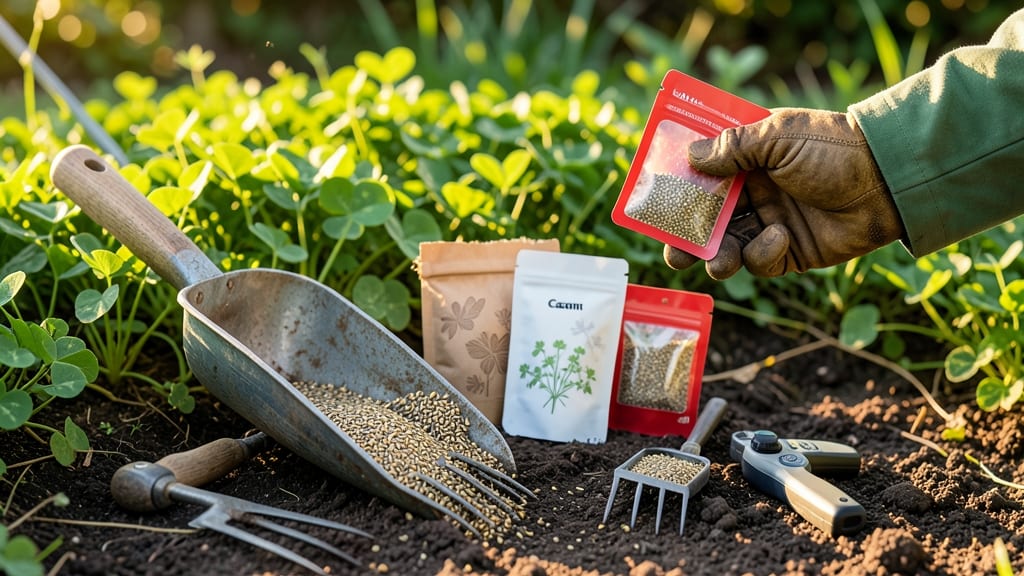
Planting food plots in Alabama at the wrong time can leave you staring at bare soil when deer season arrives—and that's a mistake no hunter wants to make.
The key to a thriving plot lies in understanding your region's unique climate, whether you're in the cooler highlands of North Alabama or the warmer lowlands of the South.
For most Alabama hunters, the optimal window opens in early spring when soil temperatures rise above 55°F, but timing varies dramatically between zones.
Cool-season crops like clover and brassicas need to be in the ground by late summer for fall harvests, while warm-season favorites like sorghum and millet thrive when planted in May or June.
I've learned the hard way that Alabama's unpredictable weather—think sudden frosts or scorching heat—can turn a well-planned plot into a flop. That's why I've broken down the exact county-specific deadlines you need to know, from the Panhandle's longer growing season to the Appalachian Mountains' shorter windows.
Whether you're planting for whitetails or just improving your property, getting the timing right means more protein for wildlife and better hunting opportunities. Let me show you exactly when to plant each crop for maximum success.
Alabama food plot planting deadlines by region (county-specific guide)
Alabama's diverse climate means your food plot planting success hinges on understanding three distinct regions. North Alabama's cooler temperatures demand earlier planting, while South Alabama's longer growing season allows for extended windows. Let's break down the optimal planting deadlines by region to maximize forage growth before deer season.
For North Alabama counties like Madison, Marshall, and Jackson, where last frost dates average March 15-April 1, aim to plant cool-season crops like clover and brassicas between February 15 and March 31.
Warm-season crops such as sorghum and millet should go in after soil temperatures hit 65°F consistently, typically by mid-April to May 15.
Central Alabama's transition zone (counties like Jefferson, Shelby, and Talladega) offers flexibility. Cool-season crops thrive when planted from March 1 to April 15, while warm-season varieties should be in the ground by April 15 to May 31 when soil temperatures reach 60-65°F.
This region's frost-free dates typically range from March 1 to March 20.
In South Alabama (counties like Mobile, Baldwin, and Escambia), warmer winters allow for later cool-season plantings. You can still plant clover and brassicas through April 15, and warm-season crops like sunflowers and cowpeas can be sown until June 15 when soil temperatures remain above 65°F.
The last frost date here averages February 15-March 1.
| Region | Cool-Season Deadline | Warm-Season Start | Soil Temp Threshold | Key Counties |
|---|---|---|---|---|
| North Alabama | March 15-April 1 | April 15-May 15 | 65°F+ | Madison, Marshall, Jackson |
| Central Alabama | March 1-April 15 | April 15-May 31 | 60-65°F | Jefferson, Shelby, Talladega |
| South Alabama | April 1-April 15 | April 15-June 15 | 65°F+ | Mobile, Baldwin, Escambia |
Always check your local frost-free dates using the Alabama Extension's frost map, as microclimates can shift deadlines by weeks. For example, high-elevation areas like the Appalachian foothills may have 2-3 weeks earlier frost dates than nearby valleys. Use a soil thermometer to verify temperatures before planting warm-season crops.
Miss the ideal window? Don't panic. Spring plantings can still produce forage for late-season deer activity if you choose fast-growing varieties like austerlitz clover or turnips.
These crops mature in 45-60 days, giving you a second chance for archery season in April. Just be prepared for less biomass than optimal plantings.
For fall food plots, focus on warm-season crops planted in late summer (August-September) to provide forage during gun deer season. In North Alabama, aim for August 15-September 15 plantings, while South Alabama can extend this to September 30.
Use fast-maturing varieties like pearl millet or grain sorghum to ensure harvest before first frost.
Remember that soil preparation is just as critical as timing. Test your soil's pH and fertility at least 4-6 weeks before planting to allow time for amendments. Aim for a pH of 6.0-7.0 for most food plot crops.
In clay-heavy soils common across Alabama, consider adding organic matter like compost or cover crops to improve drainage and root growth.
Pro tip: Use a planting calendar that accounts for moon phases and rainfall predictions. Alabama's summer humidity can create ideal germination conditions, but drought stress in late summer may require irrigation. Always have a backup water source ready for newly planted seeds.
By following these region-specific deadlines and preparing your soil properly, you'll create a high-protein food plot that attracts deer year-round. The key is consistency—whether you're planting for fall gun season or spring archery season, timing makes all the difference. 🌱
Best food plot crops for Alabama’s climate and deer season timing
Alabama’s two deer seasons—fall (October-November) and spring (April-May)—demand strategic food plot planting. The right crops not only thrive in our humid subtropical climate but also align with whitetail feeding patterns.
I’ve tested these top 5 high-protein options over three seasons in North Alabama’s cooler zones and South Alabama’s warmer regions.
Timing is everything: Plant too early, and you risk fungal diseases from excess moisture; too late, and your plot won’t mature before deer season peaks. Each crop has a sweet spot for maximum deer attraction and nutritional value. Let’s break down the best performers for both seasons.
Planting Window Rating
Best for: Early Spring (clover/wheat), Late Summer (sorghum), Fall (brassicas/chicory), Winter (wheat/clover)
For fall deer season, I prioritize fast-growing brassicas like turnips and radishes, which mature in 30-45 days and offer 20-25% protein. Plant these in late July to early August for peak attraction in October. In North Alabama, aim for mid-August to avoid early frosts.
Chicory is my go-to for spring deer season—it thrives in cool weather and produces high-protein taproots that deer devour. Plant chicory seeds in late August to September for a fall-to-spring food source. In South Alabama, extend planting to early October for longer growing windows.
Don’t overlook winter wheat and clover mixes—these are year-round performers when planted correctly. For winter wheat, seed in October-November for a spring green-up that coincides with April-May deer season. Crimson clover planted in late summer will overwinter and bloom in spring, offering 18-22% protein.
S