
Plants
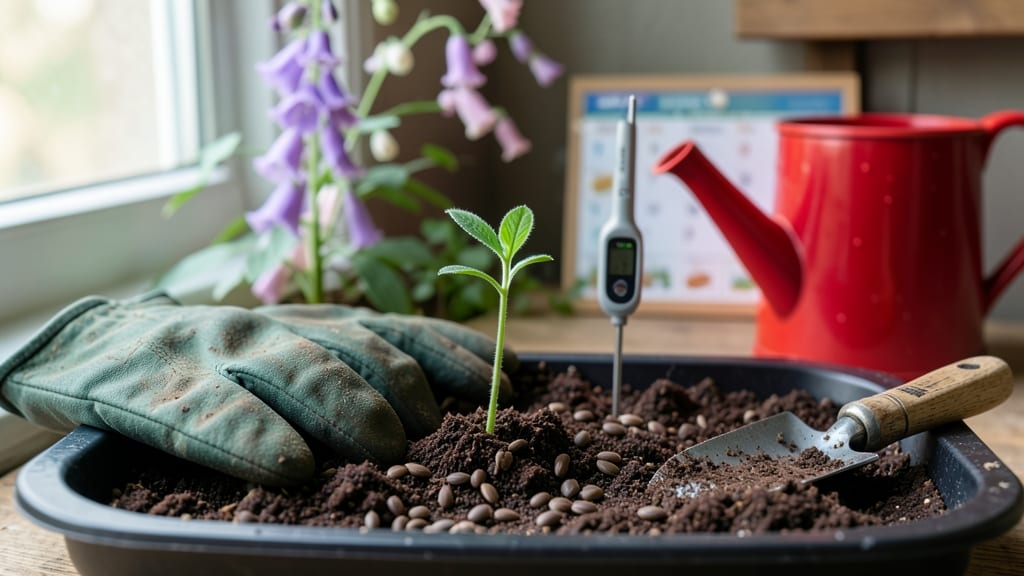
Planting foxglove seeds 🌸 in Zone 7 at the wrong time means either waiting another year for those dramatic blooms or watching them fail before they even sprout.
The key to success? Timing your sowing to avoid the brutal summer heat while still giving seeds enough cold to break dormancy naturally.
Most gardeners in Zone 7 make one of two mistakes: planting too early when late frosts can still strike, or too late when summer's intensity robs seeds of moisture and energy.
I've learned the hard way that September through early October offers the perfect balance—cool enough for stratification but warm enough to avoid winter's harshest chill.
What you'll discover here is exactly when to sow foxglove seeds for maximum germination, whether you prefer direct outdoor planting or starting them indoors. We'll cover soil temperature thresholds, frost risk windows, and how to protect your young plants from Zone 7's unpredictable weather patterns.
With the right approach, you can have robust foxglove seedlings ready to bloom spectacularly in their second year—no more guessing games about when to plant. Let's get those seeds in the ground the smart way.

Best planting months for foxglove seeds in Zone 7: cold stratification secrets
If you’ve ever struggled to coax foxglove seeds into sprouting in Zone 7, you’re not alone. These dramatic biennial flowers demand precise timing—plant them too early, and frost zaps their chances; too late, and summer’s heat robs them of moisture.
The secret? Cold stratification during fall’s mild temperatures. This natural process mimics winter’s chill, breaking seed dormancy just as spring arrives.
For Zone 7 gardeners, the ideal window spans late September through October, when soil temps hover between 40°F and 60°F. This range triggers germination without risking early frosts (below 32°F) or summer’s scorching 90°F+ heat.
But what if you miss this window? Spring planting is possible—but risky. Let’s break down the best strategies to ensure your foxglove seeds thrive.
🌱 Comparison Table: When to Plant Foxglove Seeds in Zone 7
| Planting Method | Best Months | Soil Temp (°F) | Cold Stratification | Germination Time |
|---|---|---|---|---|
| Fall Direct Sowing | September–October | 40–60°F | Natural (winter chill) | Spring (3–6 months) |
| Spring Direct Sowing | March–April | 50–65°F | Artificial (refrigerator) | Summer (2–3 months) |
| Indoor Start (Risky) | January–February | 65–75°F | Mandatory (4–6 weeks) | Spring (4–8 weeks) |
| Avoid At All Costs | June–August | Above 80°F | Heat stress kills seeds | 0% success |
Fall planting in September or October gives foxglove seeds the perfect cold stratification they need. As winter’s chill sets in, the seeds undergo a natural dormancy break, ensuring they’re ready to sprout as soon as soil warms in spring.
This method yields the highest germination rates because it mimics their native woodland habitat, where seeds rely on seasonal temperature shifts to germinate.
If you’re planting in spring (March–April), you’ll need to mimic winter’s chill artificially. Place seeds in a plastic bag with damp peat moss and refrigerate for 4–6 weeks before sowing.
Skip this step, and your seeds may never break dormancy, leaving you with bare soil all season. Pro tip: Label your bags with the stratification start date to avoid confusion.
Zone 7’s summer months (June–August) are a no-go for foxglove seeds. Soil temperatures often exceed 85°F, creating a heat barrier that prevents moisture absorption and triggers rapid seed death.
Even if you manage to plant, seedlings will bolt (flower prematurely) or succumb to fungal rot from overheated soil. Save your efforts for cooler seasons.
For gardeners who love foxglove’s iconic blooms but missed the fall window, don’t despair. Start seeds indoors in January or February, using the artificial stratification method above. Transplant seedlings outdoors in early April, once nighttime temps stay above 40°F.
Just be warned: Foxglove seedlings are fragile and hate root disturbance, so use biodegradable pots to avoid transplant shock.
Once your foxglove seeds sprout, focus on moisture consistency. These plants thrive in well-draining soil but despise drying out. Mulch with 2–3 inches of organic matter (like shredded leaves or straw) to retain soil moisture and suppress weeds.
Avoid heavy-handed watering—foxglove roots rot in soggy conditions. Aim for 1 inch of water per week, delivered in the morning to prevent fungal diseases.
By the time your second-year foxglove blooms (typically late spring to early summer), you’ll be rewarded with tall spikes of bell-shaped flowers in shades of pink, purple, white, or yellow.
The key to success? Timing—plant in fall for natural stratification, or spring with artificial chill. Avoid summer, and your foxglove dreams will bloom brighter than ever.
Zone 7 foxglove seed planting calendar: week-by-week prep checklist
Foxglove seeds 🌸 need precise timing in Zone 7 to avoid both late frosts and summer heat stress. The key is a September-October planting window that leverages natural cold stratification.
This schedule ensures your seeds get the 60-90 days of cold they need to break dormancy while avoiding winter's harshest chill.
If you miss fall planting, don't panic—spring sowing in March-April works too, but requires indoor starting. The critical deadlines are October 15 for fall planting and April 15 for spring transplanting. Any later risks heat stress before seedlings establish.
📅 Foxglove Seed Planting Timeline for Zone 7
- 1 September 1-15: Test soil pH (6.0-7.0 ideal) and amend with compost. Choose a partial shade location with well-draining soil.
- 2 September 16-30: Direct sow seeds ½ inch deep in prepared beds. Space seeds 12 inches apart—foxglove dislikes transplanting. Water lightly after sowing.
- 3 October 1-15: Apply 2-3 inches of mulch to retain moisture and protect seeds from temperature swings. Monitor for late frosts—cover with frost cloth if needed.
- 4 November-December: Let nature handle stratification. Seeds need 40-60°F soil temps for 6-8 weeks. Avoid disturbing the soil—foxglove seeds germinate slowly.
- 5 January-February: Thin seedlings to 18 inches apart once they reach 2 inches tall. Water at soil level to avoid fungal issues. Expect 50% germination rate in Zone 7.
- 6 March 15-April 1: Harden off seedlings if started indoors. Transplant only if necessary—foxglove hates root disturbance. Mulch heavily to protect from late frosts.
- 7 April 15-May 1: Deadhead spent blooms in second-year plants to encourage more flowers. Avoid fertilizing—foxglove prefers low-nutrient soil for best blooms.
Spring planting requires indoor starts in February using grow lights to simulate long days. Keep seedlings at 65-70°F and transplant outdoors only after April 15 when soil temps stay above 50°F consistently.
The biggest mistake I see in Zone 7 is planting foxglove seeds in June-July—the heat causes rapid moisture loss, and seeds often fail to germinate. Always prioritize cool-season planting for these delicate seeds.
Pro tip: Mark your calendar for September 15—this is the absolute latest date for fall sowing in Zone 7. After this, your success rate drops dramatically due to winter chill exposure.