
Trees
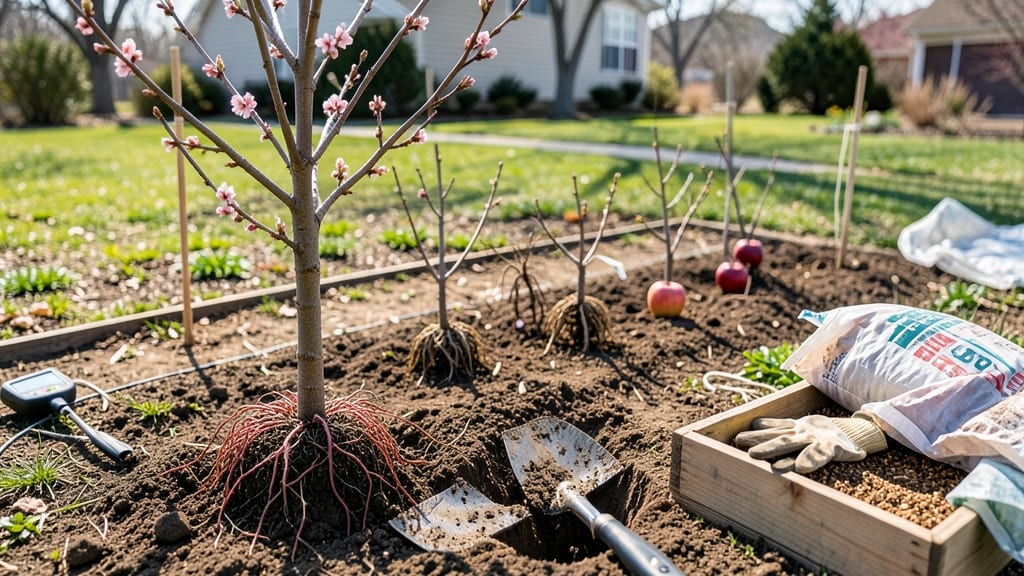
Planting fruit trees in Kansas at the wrong time can mean the difference between a thriving orchard and struggling saplings that never recover. With chill-hour requirements varying by variety and frost dates shifting across USDA zones 5b-7a, timing isn't just important—it's the key to success.
I’ve watched too many gardeners rush their 🍎 trees into the ground, only to see them battle late frosts or fail to establish roots before winter. The secret? Matching your planting window to both the tree’s dormancy needs and Kansas’ unpredictable weather patterns.
Whether you’re planting bare-root apples in February or container-grown peaches in September, getting this right ensures stronger roots, better yields, and fewer headaches down the road.
What most guides don’t tell you is how microclimates in Kansas—from urban heat islands to wind-swept plains—can shift ideal planting dates by weeks. I’ll break down the exact months to plant based on your location, plus how to adjust for soil, variety, and even container vs. in-ground planting.
No more guessing—just data-driven timing that works for your backyard.
Ready to set your fruit trees up for success? Let’s dive into the chill-hour matching calendar that’ll have you harvesting homegrown apples, peaches, and cherries like a pro. Your future orchard starts with the right move—made at the right time.
Kansas fruit tree planting timeline by chill-hour requirements
Kansas gardeners face a unique challenge when planting fruit trees: matching chill-hour requirements with our variable climate zones.
From Zone 5b in the north to Zone 7a in the south, the right timing ensures your trees bloom properly and produce fruit. Chill hours (accumulated temps between 32°F and 45°F) trigger dormancy break—too few, and your peach tree might never fruit.
Let’s break down the best planting windows for Kansas’ most popular fruit trees.
Most Kansas fruit trees thrive when planted in late winter to early spring (February–April) or fall (September–October). However, bare-root trees must go in while dormant, while container-grown trees offer more flexibility.
For example, apples (600–800 chill hours) can handle Zone 5’s shorter winters, while peaches (400–600 chill hours) struggle in Zone 7’s milder climate. Let’s align your planting with Kansas’ frost patterns and chill-hour zones.
| Tree Type | Chill Hours | Best Planting Window | Zone 5b Notes | Zone 7a Notes |
|---|---|---|---|---|
| Apple | 600–800 | Feb–March (bare-root) or Sept–Oct (container) | ‘Freedom’ or ‘Haralson’ varieties | Avoid late-blooming varieties |
| Peach | 400–600 | March–April (bare-root) or Sept | ‘Reliance’ or ‘Contender’ for reliability | May struggle in Zone 7—consider ‘Redhaven’ |
| Plum | 300–500 | Feb–March (bare-root) or Sept–Oct | ‘Methley’ or ‘Stanley’ for cold hardiness | ‘Santa Rosa’ adapts well to Zone 7 |
| Cherry | 500–1,000 | March–April (bare-root) or Sept | ‘Montmorency’ (sour) for Zone 5 | Sweet cherries need Zone 6+; avoid in Zone 7 |
In Zone 5b, where winters are harsher, prioritize late winter planting (February–March) for bare-root trees. This gives roots time to establish before spring thaw.
For example, ‘Haralson’ apples (700 chill hours) thrive here but may bloom too early in Zone 7a. Always check last frost dates—northern Kansas averages March 15, while southern areas see frost by March 1.
Zone 7a gardeners have more flexibility but must avoid late spring planting after buds swell. Peaches with 400–500 chill hours (like ‘Redhaven’) can work in Zone 7a’s milder winters, but cherries often fail due to insufficient chill.
Instead, opt for plums or figs, which require fewer chill hours. Fall planting (September–October) is ideal for container-grown trees in both zones.
Soil preparation is critical—Kansas’ clay-heavy soils in eastern regions need amending with compost or sand, while western areas benefit from organic matter to retain moisture. Test your soil’s pH (ideal: 6.0–7.0 for most fruit trees) and adjust with lime or sulfur before planting.
Mulch with wood chips to regulate soil temperature and retain moisture.
After planting, water deeply (15–20 gallons per tree) to encourage root growth. In Zone 5b, protect young trees with tree wraps during winter to prevent sunscald. Zone 7a’s warmer winters reduce this risk, but late frosts can still damage blossoms.
Monitor bloom times and be ready to cover trees if frost is forecasted in April.
For container-grown trees, fall planting (September) is best—they establish roots before winter and wake up stronger in spring. Bare-root trees, however, must go in while dormant (February–March).
Never plant container-grown trees in summer heat, as transplant shock will kill them. If you miss the fall window, wait until early spring (before buds swell).
Kansas State
Best months to plant fruit trees in Kansas: a month-by-month guide
Timing your fruit tree planting in Kansas isn’t just about seasons—it’s about matching your tree’s chill-hour needs with your local climate. Northern Kansas (Zone 5b) gets 1,500-2,000 chill hours, while southern Kansas (Zone 7a) sees 1,000-1,500 hours.
Plant too early, and frost will damage young roots; too late, and your tree won’t establish before winter. Let’s break down the best months for bare-root vs. container-grown trees.
Bare-root trees are dormant and ready to plant in late winter or early spring (February-April), while container-grown trees can handle fall planting (September-October) or early spring. For Kansas, September and October are ideal for container-grown trees, giving roots time to settle before winter.
But if you’re planting bare-root, February and March are your windows—just be ready for late frosts in northern areas.
- 1
- 2
- 3
- 4
- 5
Soil prep is just as critical as timing. Before planting, amend your soil with compost or aged manure to improve drainage, especially in clay-heavy eastern Kansas. Test your soil’s pH (6.0-7.0 ideal) and adjust with lime or sulfur if needed.
For container-grown trees, water deeply 1-2 weeks before planting to reduce transplant shock.
After planting, mulch around the base (but not touching the trunk) with 3-4 inches of wood chips to retain moisture and regulate soil temperature. In western Kansas, wind can dry out young trees—consider a windbreak if planting near open fields.
Water deeply once a week for the first month, then taper to bi-weekly once established.
Remember, late frosts are the biggest threat in northern Kansas. Monitor your local Kansas State University Extension frost dates and adjust your planting timeline accordingly. With the right timing and care, your fruit trees will thrive and reward you with abundant harvests for years to come! 🍎🌳