
Plants
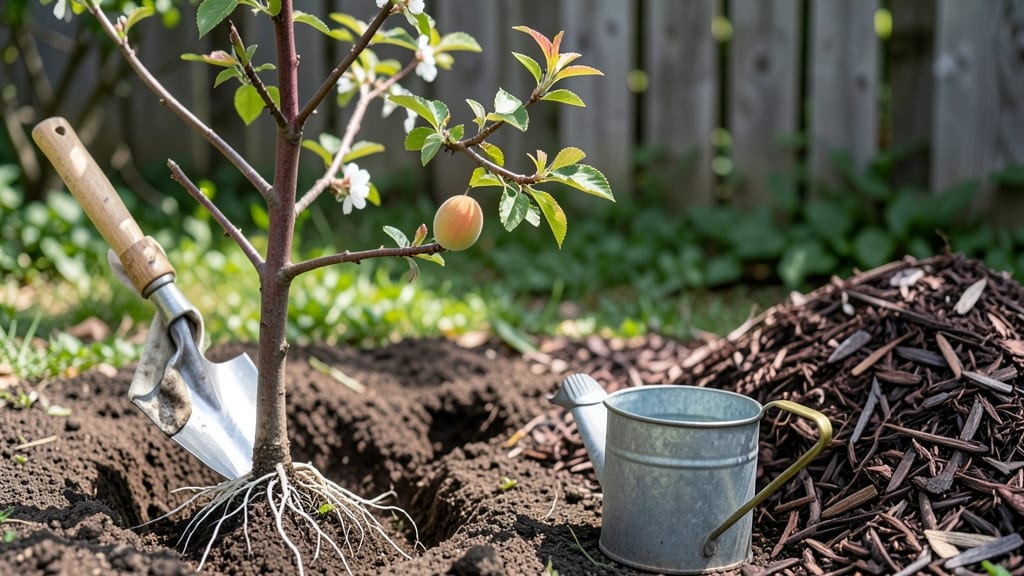
Planting a 🍑 peach tree in Texas isn’t just about grabbing a sapling and sticking it in the ground—it’s about timing it perfectly to ensure your tree thrives and produces fruit.
The wrong window could mean stunted growth or even death, especially with Texas’s unpredictable frost dates and varying chill-hour needs across regions.
For most of Texas, the best time to plant is late winter or early spring—after the last frost but before the heat sets in.
North Texas gardeners should aim for February or early March, while those in South Texas can push it slightly later, around March or even April, thanks to milder winters.
But here’s the catch: not all peach trees are created equal. Texas spans multiple chill-hour zones, and choosing the right variety for your area is the key to a fruitful harvest.
Whether you’re in the cooler hills of Zone 8a or the warmer plains of Zone 10b, we’ll break down the ideal planting times and varieties that match your climate.
Ready to get started? Let’s dive into the exact steps—from soil prep to transplanting—to give your 🍑 peach tree the best shot at success in the Lone Star State.
Best planting months for peach trees in Texas by chill-hour zone
Texas gardeners know timing is everything when planting fruit trees, especially peach trees. Unlike cooler climates, Texas spans five chill-hour zones (300–1,000+ hours), meaning the wrong variety or planting window can leave you with no fruit or poor yields.
The key? Planting during dormancy—when trees aren’t actively growing—to reduce transplant shock.
For most of Texas, the optimal planting window stretches from November through February, but exact timing depends on your chill hours. Northern Texas (higher chill hours) can plant as late as March, while southern regions (lower chill hours) should plant by January to avoid early spring heat stress.
Let’s break it down by zone.
Soil preparation is just as critical as timing. Texas soils—whether clay-heavy in East Texas or sandy in West Texas—need amendments to improve drainage and fertility. Work in 2–3 inches of compost and a balanced fertilizer (10-10-10) into the planting hole.
If your soil tests acidic (pH below 6.0), add pelletized lime to raise pH before planting.
For bare-root trees, plant immediately after purchase to prevent root desiccation. If you must store them, keep roots moist and cool (32–40°F) until planting. Container-grown trees can handle year-round planting in mild zones (9a–10b), but still aim for dormancy to minimize stress.
Water deeply after planting to eliminate air pockets and encourage root contact with soil.
Pro tip: Mulch heavily (3–4 inches of wood chips) around the base of your peach tree to retain moisture and regulate soil temperature. Keep mulch 6 inches away from the trunk to prevent rot. In high-chill zones (Panhandle), mulch also protects roots from freeze-thaw cycles during winter.
After planting, monitor for transplant shock—wilting or yellowing leaves are normal for the first 2–4 weeks. Avoid fertilizing until new growth appears in spring. In low-chill zones (South Texas), shade young trees during summer heat (100°F+) with burlap wraps or temporary shade cloth.
Remember: Peach trees need chill hours to flower and fruit. If you’re in a low-chill zone, choose varieties like ‘Redtop’ or ‘Contender’ (300–500 hours). In higher-chill zones, ‘Elberta’ or ‘Redhaven’ (700–900 hours) thrive.
Planting at the right time ensures your tree focuses energy on root establishment and not fruit production its first year.
With the right chill-hour match and planting timing, your peach tree will reward you with ju
Top peach tree varieties for Texas: chill-hour matching guide
Texas gardeners know that not all peach trees thrive equally—chill hours are the secret to success. These cold accumulation hours (below 45°F) trigger flowering and fruiting.
With Texas ranging from 300 to 1,000+ chill hours, choosing the right variety ensures your tree produces juicy, flavorful peaches instead of sparse harvests.
For North and Central Texas (500–800 chill hours), classic varieties like ‘Elberta’ and ‘Redhaven’ excel. Meanwhile, South Texas (300–500 chill hours) needs low-chill varieties like ‘Contender’ or ‘Flordagrand’ to avoid poor fruit set. Below, I’ve matched the best varieties to Texas regions for a reliable harvest every season.
If you’re in North Texas (e.g., Dallas, Fort Worth), prioritize varieties like ‘Redhaven’ or ‘Sanguinelle’, which thrive in 600–800 chill hours. These trees produce large, flavorful peaches with minimal fuss.
For Central Texas (Austin, San Antonio), ‘Elberta’ is a crowd-pleaser—its clingstone texture makes it perfect for canning or fresh eating.
South Texas gardeners (Houston, Corpus Christi) face a bigger challenge with low chill hours, but ‘Contender’ and ‘Flordagrand’ are game-changers. These low-chill varieties still deliver sweet, juicy peaches without needing extra cold snaps. Just ensure they get full sun and well-draining soil to compensate for the heat.
Pro tip: Pair your peach tree with a pollinator variety (e.g., plant ‘Redhaven’ near ‘Elberta’) to boost fruit production. And remember—prune in late winter to improve airflow and fertilize in early spring for optimal growth.
With the right variety and care, your Texas peach tree will reward you with homegrown fruit for decades.
🌱