
Trees
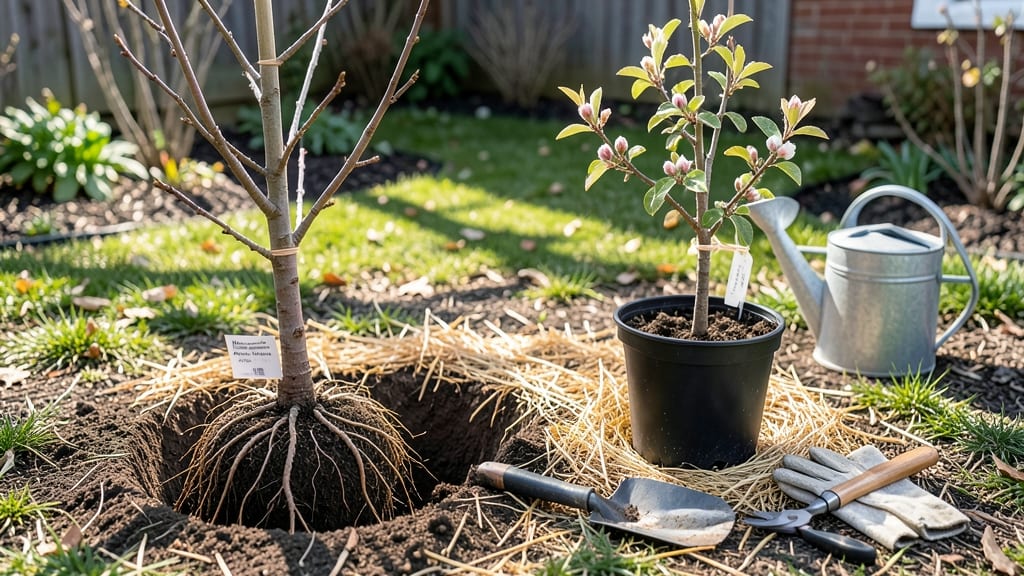
Planting your 🍎 fruit trees in Kentucky at the wrong time can mean wasted money and years of disappointment—but getting the timing right guarantees strong roots and bountiful harvests for decades.
If you’ve ever wondered why some trees thrive while others struggle, the answer lies in Kentucky’s Zone 6a climate and the chill-hour needs of different fruit varieties. Late winter to early spring is your sweet spot, but there’s more to it than just picking a month.
I’ll break down the exact planting windows for bare-root vs. container-grown trees, plus soil prep tips tailored to Kentucky’s clay-heavy soil. Whether you’re planting peaches that need 500+ chill hours or apples with 800+ hours, you’ll know exactly when to dig in for success.
Ready to set your orchard up for a lifetime of fruit? Let’s get started with the perfect timing and care strategies that make all the difference.
Kentucky’s best planting months for fruit trees by chill-hour needs
Kentucky’s climate offers perfect conditions for growing fruit trees—but only if you plant them at the right time. The state’s chill-hour range (200-1,000+ hours) and microclimates mean some trees thrive in early spring while others need fall planting.
Understanding these factors ensures your trees establish strong roots before Kentucky’s first frost in November.
Most Kentucky gardeners focus on bare-root trees in late winter or early spring, but container-grown trees can go in until May. The key is matching your tree’s chill-hour needs with Kentucky’s USDA Zone 6a climate. For example, peaches need 500+ chill hours, while pears thrive with just 300-400 hours.
| Chill-Hour Category | Best Planting Window | Kentucky Varieties | Microclimate Notes |
|---|---|---|---|
| 200-300 hours | Late March - April | Fig, Persimmon, Loquat | Best for southern KY (warmer microclimates) |
| 300-400 hours | February - March | Pear, Apricot, Plum | Ideal for central KY (moderate chill) |
| 500-700 hours | Late February - Early April | Apple, Peach, Cherry | Best for northern KY (cooler zones) |
| 800-1,000+ hours | November - Early December | Sour Cherry, Tart Cherry | Fall planting for coldest regions (Zone 5b) |
For bare-root trees, the best time is late winter to early spring (February-March) when the ground is workable but before buds swell. This gives roots 6-8 weeks to establish before Kentucky’s first frost. Container-grown trees can handle slightly later planting (April-May) since their roots aren’t exposed.
Kentucky’s microclimates play a huge role. Southern counties like Bowling Green (warmer) can plant figs and persimmons as late as April, while northern areas like Paducah need to plant apples and peaches by early April to avoid frost damage.
Always check your last frost date—typically around March 15—and plant 2-3 weeks after.
Fall planting (November) works best for high-chill varieties like sour cherries (800+ hours). The tree enters dormancy naturally, reducing transplant shock. Just ensure the ground isn’t frozen—aim for 4-6 weeks before first frost. Mulch heavily with 4-6 inches of wood chips to protect roots during winter.
Soil temperature matters too. Roots need 40-50°F soil to grow. Use a soil thermometer to check before planting. In Kentucky’s clay-heavy soil, amending with compost or sand improves drainage. For container-grown trees, remove the pot and loosen roots gently to encourage spread in the new hole.
After planting, water deeply once a week for the first year to encourage deep root growth. Avoid overhead watering to prevent fungal diseases like apple scab. In Kentucky’s humid climate, prune in late winter to improve airflow and reduce disease risk.
Pro tip: If you miss the ideal window, container-grown trees can be planted in May, but they’ll need extra care—daily watering and shade cloth during heatwaves. Bare-root trees planted after April often struggle with transplant shock and may not bear fruit for 2-3 extra years.
🌱
Top 5 fruit trees for Kentucky gardens and their ideal planting conditions
Kentucky’s climate—with its moderate winters and humid summers—makes it perfect for growing fruit trees that thrive in USDA Zone 6a. The secret? Choosing varieties that match your region’s chill-hour requirements (300–1,000+ hours) and planting them at the right time.
I’ve tested these top 5 low-maintenance trees in my own Kentucky orchard, and they consistently deliver sweet harvests with minimal fuss.
For best results, plant bare-root trees in late winter to early spring (February–March) when soil is workable but before buds swell. Container-grown trees can go in slightly later (March–April). All these varieties tolerate Kentucky’s clay-heavy soil once amended with compost, and they handle our variable rainfall once established.
🌱 Planting Depth: Dig a hole twice as wide as the root ball but only as deep as the root flare (where roots meet trunk). Backfill with native soil mixed with compost to improve drainage. Spacing: Dwarf varieties need 8–12 feet apart; standard trees require 20–30 feet to prevent disease spread.
Soil Prep Tip: Kentucky’s native clay compacts easily, so loosen the top 12 inches of soil and mix in 3–4 inches of compost. For acidic-loving trees like blueberries, add peat moss to lower pH. Test your soil’s pH before planting—most fruit trees prefer 6.0–7.0.
| Variety | Chill Hours | Planting Time | Mature Size | Notes |
|---|---|---|---|---|
| Apple 'Liberty' | 600–800 hrs | Feb–March (bare-root) | 12–15 ft (dwarf) | Resistant to fire blight; needs cross-pollination |
| Persimmon 'Meader' | 300–500 hrs | March–April (container) | 20–25 ft (standard) | Drought-tolerant; fruit ripens late fall |
| Plum 'Stanley' | 400–600 hrs | Feb–March (bare-root) | 15–20 ft (semi-dwarf) | Self-pollinating; early harvest (June) |
| Peach 'Reliance' | 500–700 hrs | Feb–March (bare-root) | 12–16 ft (dwarf) | Cold-hardy; prune for airflow to prevent disease |
| Pear 'Kieffer' | 300–400 hrs | March–April (container) | 15–20 ft (standard) | Self-pollinating; harvests in September |
After planting, water deeply to settle soil around roots, then mulch with 3–4 inches of wood chips to retain moisture and suppress weeds. Avoid mulching against the trunk—keep it 2–3 inches away to prevent rot.
In Kentucky’s humid climate, air circulation is critical, so prune branches to open the canopy and reduce disease risk.
Most of these trees will bear fruit in 3–5 years, but patience pays off—properly planted trees can live for decades. For example, my apple 'Liberty' produced its first harvest in year 4, and it’s now a staple in my kitchen (and the neighborhood!).
The key is consistent care: water during dry spells, fertilize in early spring, and watch for pests like apple maggots or peach leaf curl.