
Trees
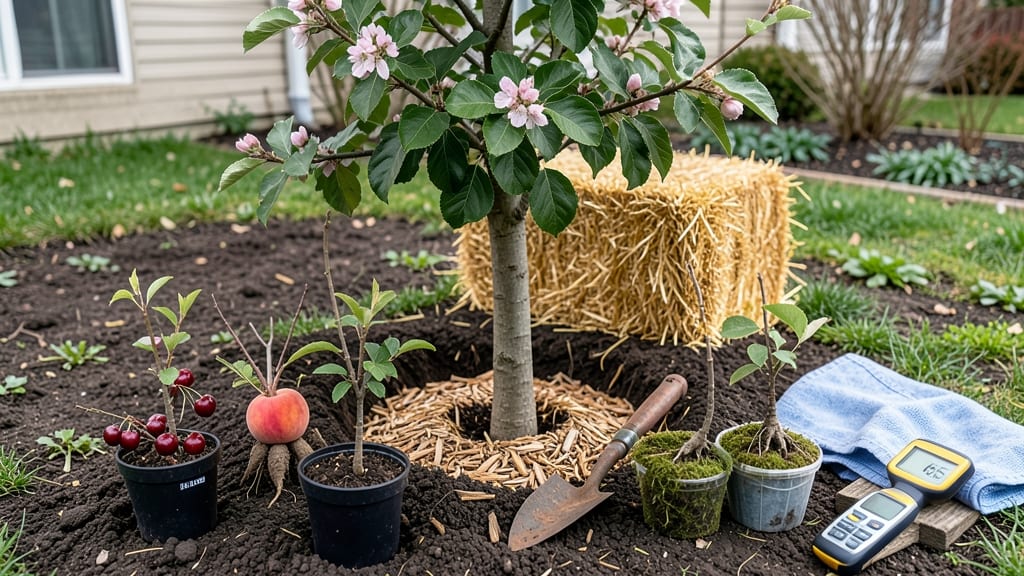
Planting your 🍎 fruit trees at the wrong time in Iowa can turn your dream orchard into a frozen disappointment—imagine months of waiting only to watch your new trees struggle or even die from unexpected frosts.
The secret to success lies in understanding Iowa’s chill-hour requirements and last-frost dates, which vary dramatically between Zone 5a and 5b.
Most gardeners assume spring is the only time to plant, but fall offers a hidden advantage: cooler soil temperatures help roots establish before winter dormancy. Meanwhile, late winter planting (February-March) gives trees a head start before Iowa’s notorious April frosts strike.
In this guide, I’ll break down the exact 30-day windows that work best for your location, whether you’re planting bare-root saplings or container-grown trees. You’ll learn how to match varieties like apples and peaches to Iowa’s climate—plus pro tips to protect young trees from our unpredictable weather swings.
Ready to plant with confidence? Let’s turn your orchard dreams into a reality—starting with the perfect timing for your corner of Iowa.
Iowa’s fruit tree planting windows: chill-hours vs. last-frost dates
Iowa’s USDA Hardiness Zones 4-5a create unique challenges for fruit tree planting. Unlike warmer climates, we can’t just plant when the ground thaws—chill-hours and last-frost dates must align perfectly. A peach tree needing 800 chill-hours won’t thrive if planted in a mild microclimate with only 500 hours.
Let’s break down how to match your tree to Iowa’s 30-day planting windows.
First, understand that Iowa’s average last-frost date hovers around April 15 in most areas, but this shifts 2-3 weeks earlier in southern Iowa (Zone 5b) and 2 weeks later in northern regions (Zone 4a).
However, chill-hour requirements are the real game-changer. For example, a Honeycrisp apple needs 900-1,000 chill-hours, while a Lapins cherry thrives with just 500-600.
Here’s the critical rule: Plant bare-root trees during their dormant season—either late fall (October) or early spring (March-April)—but never when soil is frozen. Container-grown trees offer more flexibility, allowing planting up to 2 weeks before or after the traditional window.
The key is avoiding early spring planting if late frosts linger, as new roots can’t handle freezing.
Iowa’s Zone 4-5a climate means early fall planting (September-October) often works better than spring for bare-root trees. By then, soil is still warm enough for roots to establish, yet winter dormancy hasn’t begun.
For container trees, you can push planting until early June, but expect reduced first-year growth if planted late.
Let’s dive into the chill-hour requirements for Iowa’s most popular fruit trees. This summary table shows how to match varieties to your zone’s average chill-hours and align planting with last-frost dates.
| Variety | Chill-Hours Needed | Best Iowa Zone | Planting Window | Last-Frost Buffer |
|---|---|---|---|---|
| Honeycrisp Apple | 900-1,000 | 4b-5b | Late Oct - Early Apr | 3 weeks before |
| Haralson Peach | 800-900 | 5a-5b | Early Oct - Mid Apr | 4 weeks before |
| Montmorency Cherry | 600-700 | 4a-5a | Late Sep - Early Apr | 2 weeks before |
| Lapins Cherry | 500-600 | 4a-5b | Early Oct - Late Apr | 1 week before |
| Elberta Peach | 700-800 | 5a-5b | Late Sep - Early Apr | 3 weeks before |
| Red Haven Peach | 600-700 | 4b-5b | Early Oct - Mid Apr | 2 weeks before |
Step-by-step timeline: when to plant bare-root vs. container trees in IowaIowa’s unpredictable spring temperatures make timing critical for fruit tree success. Bare-root trees thrive in dormant seasons, while container-grown trees offer extended planting windows. Understanding these differences helps you avoid late frosts or heat stress—both deadly for young trees. For bare-root trees, prioritize early fall (September-October) or late winter (February-March) when soil is workable but not frozen. Container trees, however, adapt better to spring (April) planting, giving you flexibility if fall planting slips. Let’s break down the ideal 30-day windows for each method. 📅 Bare-Root Trees: Dormant Season Planting
📅 Container Trees: Extended Season Flexibility
Urban gardeners in Iowa City or Cedar Rapids may face heat islands that delay frost. Monitor soil temperatures (aim for 40–50°F) and use mulch to regulate warmth. For rural areas, late April is safer—wait for consistent 50°F nights. If you miss fall planting, container trees let you plant as late as May 15, but expect slower establishment. Prioritize dwarf varieties (e.g., Honeycrisp apples)—they recover faster from delayed planting. Always check chill-hour requirements for your variety. For example, Tartarian cherries need 1,000+ hours below 45°F, while Elberta peaches thrive with 500–700 hours. Match your planting window to these needs to ensure fruit set next season. |