
Trees
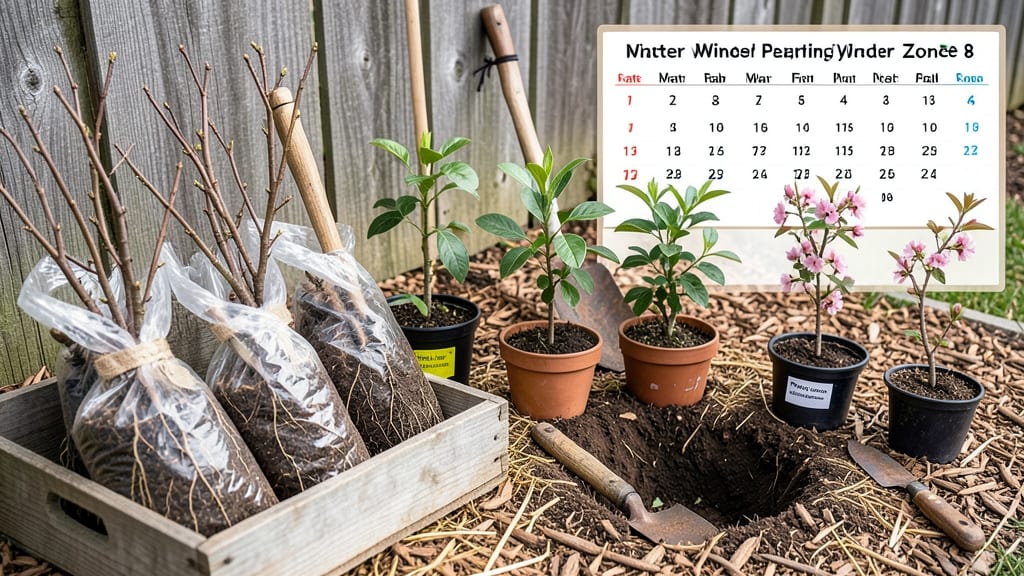
Planting a fruit tree 🍎 at the wrong time in Zone 8 could mean struggling with stunted growth or even losing your new tree—so timing isn’t just important, it’s everything.
The key lies in understanding dormancy cycles and soil warmth, which vary dramatically between deciduous trees (like peaches) and evergreens (like citrus).
Most gardeners in Zone 8 wait for late winter to early spring—typically February through March—when the soil warms enough to support root growth, but fall planting (October to November) works just as well for many varieties.
The trick is avoiding the last frost date, which usually lands around March 15 in most of Zone 8.
If you’re planting citrus or other heat-loving trees, you’ll want to focus on soil temperatures above 60°F, while stone fruits like peaches and plums thrive when the ground is cool but thawed.
I’ll break down exactly how to time it right for your specific fruit tree—plus tips for container planting and adjusting for microclimates.
Ready to get your orchard off to the best start? Let’s dive into the science behind planting so you can enjoy a bountiful harvest in just a few years.

Optimal planting windows for fruit trees in Zone 8 by variety
Zone 8's mild winters and long growing season create perfect conditions for fruit trees—but timing is everything. Deciduous trees like peaches and plums need dormancy break triggers, while evergreens like citrus and figs thrive when soil stays warm.
Planting at the wrong time risks frost damage or poor root establishment.
For deciduous fruit trees, aim for late winter to early spring (February-March) when soil temperatures reach 45°F. This aligns with bud break and ensures roots establish before summer heat. Evergreen varieties, however, prefer fall planting (October-November) to avoid transplant shock during peak summer stress.
🌱
Calculating your local frost-free date is critical. In Zone 8, the average last frost is March 15, but urban areas may warm 1-2 weeks earlier due to heat islands.
Use the National Weather Service's frost calculator to adjust your planting window by 2-3 weeks if you're in a microclimate.
For bare-root trees, plant as soon as roots show signs of new growth (usually February in Zone 8). Container-grown trees, however, can handle fall planting until November, giving roots time to establish before winter dormancy. Always water deeply after planting to reduce transplant shock.
🌿
Evergreen fruit trees like citrus and figs have no dormancy period, so they rely on soil temperature rather than seasonal cues. Use a soil thermometer to confirm 60°F+ before planting in fall. If soil stays cool, delay until spring when ground temperatures stabilize.
Pro tip: Mulch heavily after planting to maintain consistent soil temps. A 3-inch layer of wood chips helps regulate warmth in winter and retains moisture during summer droughts—both critical for Zone 8's climate extremes.
🪴
Remember, container-grown trees adapt better to fall planting than bare-root varieties. Their roots stay moist longer, reducing shock. If you're planting dwarf varieties, prioritize well-draining soil and full sun exposure to compensate for their smaller root systems.
How to time planting with soil temperature and local microclimates
In Zone 8, the key to successful fruit tree planting lies in understanding soil temperature and microclimates.
Cold snaps can still occur after the official last frost date, so timing is everything. Deciduous trees like peaches and plums need chilling hours, while evergreens like citrus thrive when the ground warms consistently. Always check your local frost-free date—it’s not just about the calendar.
Urban areas often create heat islands that can fool gardeners into planting too early. Test your soil temperature with a soil thermometer before planting—most fruit trees need 60°F (15°C) for roots to establish properly. Citrus trees prefer even warmer soil, around 70°F (21°C), while stone fruits tolerate cooler conditions.
Adjust your schedule based on these readings.
⚠️ callout warning ⚠️
- Soil too cold? Roots won’t establish—wait until 60°F+ for most fruit trees.
- Urban heat island? Adjust planting dates 1-2 weeks later than rural areas.
- Frost risk? Use frost date data + 7-day forecasts to time planting.
🌡️ Pro Tip: Bury a soil thermometer 4" deep for accurate readings.
Start by calculating your last frost date—in Zone 8, this typically falls around March 15, but microclimates can shift this by 1-3 weeks. Plant deciduous trees 4-6 weeks before your last frost, while citrus and figs should wait until soil temperatures stay above 65°F (18°C).
For bare-root trees, plant in late winter or early spring, while container-grown trees can handle slightly later dates.
Local microclimates play a huge role. South-facing slopes warm up faster, while north-facing areas stay cooler. Urban heat islands can raise soil temperatures by 5-10°F, so adjust your timing accordingly. If you’re unsure, observe nearby plants—dormant buds swelling signals it’s time to plant.
For fall planting, aim for October or November in Zone 8, giving roots time to establish before winter. Evergreen trees like citrus benefit from fall planting, as cooler temperatures reduce transplant shock. Always water deeply after planting and mulch to retain moisture and regulate soil temperature.
Don’t rely solely on frost dates—check 7-day forecasts and soil temps the week before planting. Citrus trees planted too early may suffer from root rot in cold soil, while stone fruits planted too late may struggle to establish before summer heat.
Balance these factors for the best results in your Zone 8 garden. ☀️