
Trees
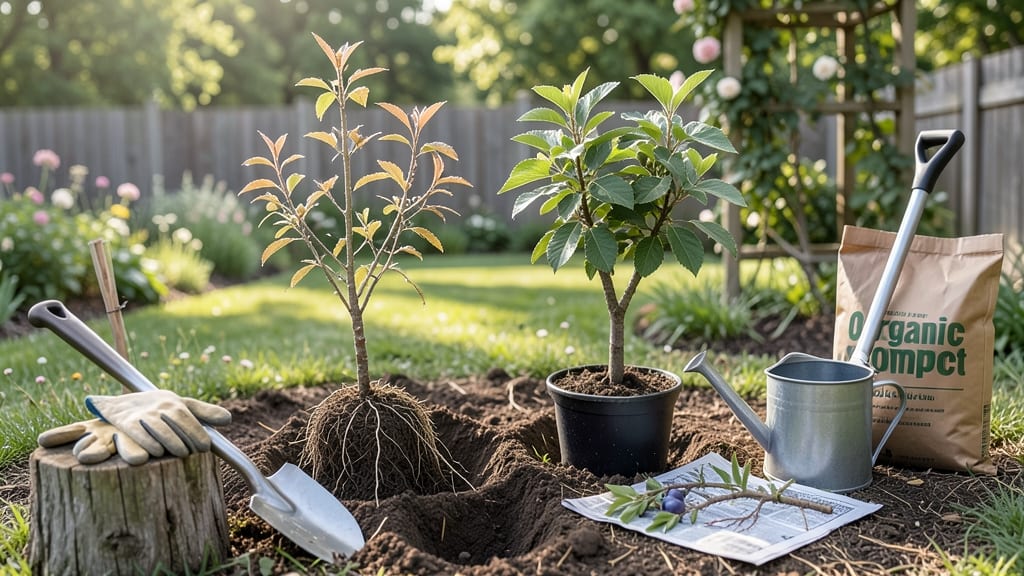
Planting fruit trees in Zone 8b at the wrong time can mean the difference between a thriving 🍎 orchard and a sad, struggling sapling that never recovers.
The key isn't just picking a month from the calendar—it's understanding when your soil warms enough to support strong root growth before summer heat sets in.
Most gardeners in Zone 8b assume late winter or early spring is the only window, but that's only half the story.
Citrus trees, for example, need to go in the ground when nighttime temperatures stay above 50°F, while stone fruits like peaches can handle cooler soil as long as frost isn't lurking.
Getting this timing right means fewer transplant shocks and more energy for your tree to focus on fruit production instead of survival.
I've learned the hard way that planting too early risks exposing young roots to winter's last freeze, while waiting too late can leave your tree struggling in summer's intense heat.
The solution? A soil-temperature guided approach that accounts for your specific microclimate—whether you're in a coastal pocket of 8b or an inland valley with hotter summers.
In this guide, I'll break down the exact soil temperature triggers for different fruit tree types, plus month-by-month planting windows that actually work in Zone 8b. You'll discover how to test your soil's readiness, avoid common timing mistakes, and give your fruit trees the best possible start for years of harvests ahead.

Optimal soil temperature ranges for planting fruit trees in Zone 8b
Planting fruit trees in Zone 8b requires precise attention to soil temperature, not just the calendar. Cold soil can stunt root growth, while warm soil encourages rapid establishment. For most fruit trees, roots need consistent temperatures between 50°F and 65°F (10°C–18°C) to thrive.
This range varies slightly by tree type—citrus needs warmth, while stone fruits tolerate cooler soil. Let’s break down the ideal triggers for each category.
First, understand that soil temperature lags behind air temperature by about 2–4 weeks. A soil thermometer is your best tool—insert it 6 inches deep (the depth of most roots) to get accurate readings.
Morning readings between 10 AM and noon are most reliable, as soil absorbs heat gradually. If your thermometer reads below 45°F (7°C), roots may struggle to establish.
Citrus trees, like lemon or orange, are the most sensitive to cold soil. They need soil temperatures above 60°F (15°C) to avoid root shock. Plant these after the last frost date (typically mid-March in Zone 8b) and ensure the ground has warmed sufficiently.
Coastal areas may reach this threshold earlier than inland regions due to moderating ocean breezes.
Stone fruits—such as peaches, plums, and cherries—prefer soil temperatures between 50°F and 60°F (10°C–15°C). These trees benefit from early spring planting (February–March) when soil is cool but workable.
Planting too late can expose them to summer heat stress, while planting too early risks winter chill damage to emerging roots.
Pome fruits, including apples and pears, thrive in soil temperatures between 45°F and 55°F (7°C–13°C). They’re the most cold-tolerant of the three categories, making them ideal for late winter or early spring planting. Aim for 4–6 weeks before your last frost date to give roots time to establish before the growing season peaks.
| Fruit Tree Type | Optimal Soil Temp | Best Planting Window | Soil Prep Tip |
|---|---|---|---|
| Citrus (Lemon, Orange) | 60°F–75°F (15°C–24°C) | Mid-March–April | Amend with compost; avoid clay soil |
| Stone Fruits (Peach, Plum) | 50°F–60°F (10°C–15°C) | February–March | Test soil pH (6.0–7.0); add lime if needed |
| Pome Fruits (Apple, Pear) | 45°F–55°F (7°C–13°C) | Late Winter–Early Spring | Loosen soil 18" deep; add organic matter |
| Fig (Heat-Tolerant) | 55°F–70°F (13°C–21°C) | March–May | Well-draining soil; avoid waterlogging |
To test soil temperature accurately, use a digital soil thermometer (like the Thermometer by XtremepowerUS) for real-time readings. Bury it 6 inches deep in a shaded spot—direct sunlight can skew results by 10°F or more.
Take readings over 3–5 days to account for daily fluctuations. If temperatures dip below the ideal range for your tree type, delay planting by 1–2 weeks or use black plastic mulch to warm the soil faster.
Another pro tip: Soil temperature rises faster in sandy soil than in clay or loam. If your garden has heavy clay, consider planting on a slightly elevated mound to improve drainage and warmth.
For container-grown trees, use heat-absorbing pots (like black plastic) and place them in full sun to accelerate root establishment.
Microclimates play a huge role in Zone 8b. South-facing slopes warm up 2–3 weeks earlier than north-facing areas. If you’re planting citrus or figs, prioritize these sun-drenched spots. Conversely, shaded or low-lying areas may stay too cool for stone fruits in early spring.
Use a weather station to track local variations—even within a 100-foot radius, soil temps can differ by 5°F.
Once you’ve confirmed the right soil temperature, act quickly. Bare-root trees should be planted within 24–48 hours of purchase, while container-grown trees can wait 1–2 weeks
Best planting windows in Zone 8b: month-by-month guide for fruit tree varieties
Zone 8b offers a unique gardening window where you can plant fruit trees almost year-round, but only if you understand each variety's specific needs.
For example, citrus trees like lemons and oranges need to go in the ground when nighttime temperatures stay above 50°F, while stone fruits like peaches and plums can handle cooler soil as long as frost isn't lurking.
Even within Zone 8b, coastal areas with milder winters allow for earlier plantings than inland valleys with hotter summers.
If you've ever wondered why your neighbor's peach tree thrives while yours struggles, timing is likely the culprit. The right planting window ensures your tree establishes strong roots before summer heat or winter chill sets in.
I've planted everything from figs to avocados in Zone 8b, and I can tell you that soil temperature is the real calendar you should follow, not just the month on your calendar.
- 🌱 February: Plant dormant stone fruits (peaches, plums) when soil reaches 45-50°F. Avoid citrus—wait for warmer nights.
- 🌿 March: Best window for pome fruits (apples, pears) and figs. Soil should be 50-55°F and warming.
- 🍊 April: Plant citrus (oranges, lemons) when nights stay above 50°F. Coastal areas can start earlier.
- 🌡️ May: Last chance for heat-tolerant varieties (persimmons, pomegranates). Avoid planting when temps exceed 85°F.
- ❄️ Avoid: Planting citrus in winter or stone fruits in summer. These trees hate transplant shock during extreme temperatures.
For coastal Zone 8b gardeners, you can push plantings earlier—sometimes as early as late January for heat-loving varieties like figs and pomegranates. The ocean's moderating effect means your soil warms faster in spring, giving you a head start.
In contrast, inland areas with hotter summers should wait until April for most fruit trees to avoid summer stress on young roots.
One mistake I see often is planting citrus trees too late in spring. By May, summer heat can stress young roots, especially if your tree is still adjusting to its new home. Instead, aim for April when nights are warm but days aren't yet scorching.
For stone fruits, early spring planting gives them time to establish roots before their spring bloom and fruit set.
Don’t forget to test your soil temperature before planting—it’s the real indicator of readiness. Use a soil thermometer to check depths of 6-8 inches. If your soil is still below the ideal range for your tree type, wait a few weeks.
Patience here pays off with stronger, healthier trees that bear fruit for years to come.
Remember, even within Zone 8b, microclimates play a huge role. A north-facing slope might stay cooler longer, while a south-facing hillside warms up faster. Observe your own yard’s patterns over a few seasons to fine-tune your planting schedule.
With the right timing, your fruit trees will reward you with bountiful harvests instead of struggling to survive.