
Planting
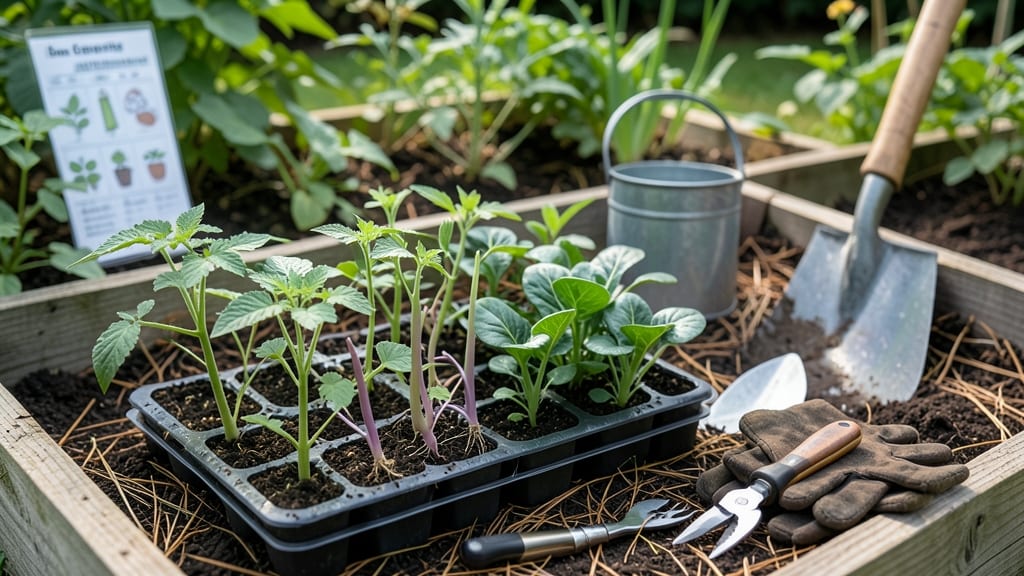
Planting your General Alabama Garden 🌱 at the wrong time can mean the difference between a thriving harvest and a sad, frost-killed disappointment. Alabama’s unpredictable frost dates—especially when comparing North to South—make timing the single most important factor for success.
If you’ve ever wondered why your tomatoes bolt in May or your fall kale bolts before Thanksgiving, you’re not alone. The key lies in understanding Alabama’s two critical planting windows: late February through early April for spring crops, and late August through early October for fall.
Get this right, and you’ll enjoy fresh produce from April through November.
I’ll break down exactly when to plant cool-season crops (like lettuce and spinach) versus warm-season favorites (tomatoes, peppers), plus how to adjust for your specific USDA Zone 7a-8b. No more guessing—just proven strategies to maximize your garden’s potential.
Ready to turn your Alabama garden from a gamble into a guaranteed success? Let’s dive into the exact dates, microclimate tips, and foolproof methods that work for gardeners across the state.
Alabama’s frost-free planting zones: when to start seeds indoors vs. outdoor planting dates
Alabama’s diverse climate—spanning USDA Zones 7b to 8b—creates microclimates where North Alabama (like Huntsville) freezes later than South Alabama (like Mobile). These differences mean your last frost dates can vary by 3-4 weeks, making timing critical.
For example, Mobile’s average last frost is February 28, while Birmingham’s is March 15. Understanding these zones helps you avoid late-spring freezes that can devastate tender seedlings.
To succeed, I start cool-season crops (like lettuce and broccoli) indoors 6-8 weeks before your local last frost date. For warm-season crops (tomatoes, peppers), I wait until 2 weeks after the last frost to transplant outdoors.
This 2-3 week buffer ensures roots establish before summer heat arrives. Alabama’s soil also warms unevenly—northern counties may need row covers until mid-April, while southern areas can plant earlier.
Alabama’s 10-day rule is my secret weapon against late frosts. If a 32°F freeze is forecast within 10 days of transplanting, I delay outdoor planting by 2-3 weeks or use frost cloth.
For example, in North Alabama, I might wait until May 1 to plant tomatoes instead of April 15. This rule also applies to fall crops—if your first frost is November 15, plant broccoli by August 15 to ensure a harvest before cold sets in.
Soil temperature matters just as much as air temperature. I use a soil thermometer to confirm 60°F+ before planting warm-season crops. In South Alabama, this happens by March 15, while North Alabama often waits until April 15.
For cool-season crops, I aim for 50-55°F soil, which arrives in February for southern counties and March for northern ones. This precision prevents stunted growth or bolting in heat-sensitive plants like lettuce.
My fall planting strategy mirrors spring but works backward. For crops like carrots and spinach, I calculate 90 days before first frost (e.g., August 15 for North Alabama) and start seeds indoors 4 weeks earlier.
For kale and Brussels sprouts, which mature slower, I push planting to September 1 for a winter harvest. I also use black plastic mulch in fall to extend soil warmth and protect tender greens.
Alabama’s microclimates mean your neighbor’s garden might thrive while yours struggles. For instance, urban areas (like Birmingham) often have warmer microclimates due to pavement, while rural farms in North Alabama face colder nights. I adjust planting dates by 1-2 weeks based
Best fall vegetables for Alabama gardens: what to plant 60-90 days before first frost
Fall gardening in Alabama is a golden opportunity to grow nutrient-dense vegetables that thrive in cooler weather. With first frost dates ranging from early November in the north to mid-December in the south, timing your 60-90 day crops ensures a bountiful harvest before winter sets in.
These vegetables not only survive light frosts but often sweeten in response to cooler temperatures.
My top recommendations for Alabama's fall garden include kale, broccoli, carrots, and spinach—all of which handle Alabama's mild winters beautifully. However, not all varieties perform equally.
Some high-risk crops like lettuce may bolt prematurely, while foolproof varieties like 'Winterbor' kale or 'Blue Lake' bush beans consistently deliver.
Succession planting is your secret weapon for extending harvests. By staggering plantings every 2-3 weeks from late August through September, you can enjoy fresh produce well into December. For example, planting radishes every 10 days gives you continuous harvests, while turnips and collards mature slowly enough to benefit from multiple plantings.
🌱 Fall Planting Pros & Cons in Alabama
- Cooler temps reduce pest pressure
- Fewer weeds compete with crops
- Rich soil from summer crops
- Longer harvest windows for root veggies
- Unpredictable frosts can damage tender crops
- Shorter daylight slows growth
- Limited variety of warm-season crops
- Soil moisture challenges in drought years
For high-risk varieties, I recommend starting with 'Red Sails' lettuce or 'Black Seeded Simpson' radishes—both handle Alabama's mild winters well. However, 'Buttercrunch' lettuce often bolts before maturity in southern Alabama's warmer fall temperatures. Instead, opt for 'Winter Density' lettuce, which has proven more reliable in regional trials.
My foolproof fall crops include collard greens, 'Purple Sprouting' broccoli, and 'Danvers' carrots. These varieties consistently perform well across Alabama's USDA Zones 7b-8a. For example, collards not only survive light frosts but taste sweeter after a frost, making them a favorite for fall harvests.
To maximize your fall garden, focus on succession planting for quick-maturing crops like radishes (30 days) and turnips (50-60 days). For slower growers like kale (60-80 days), plant your last batch by mid-September to ensure harvests before hard frosts.
Always check your local Alabama Cooperative Extension for county-specific frost dates—they're your best guide for precise timing.
Don't forget to amend your soil before planting with compost or aged manure to replenish nutrients. Fall crops benefit from balanced fertilizer (10-10-10) applied at planting, followed by a light feeding 4-6 weeks later. Mulch heavily with straw or leaves to protect roots from temperature swings and retain moisture.