
Plants
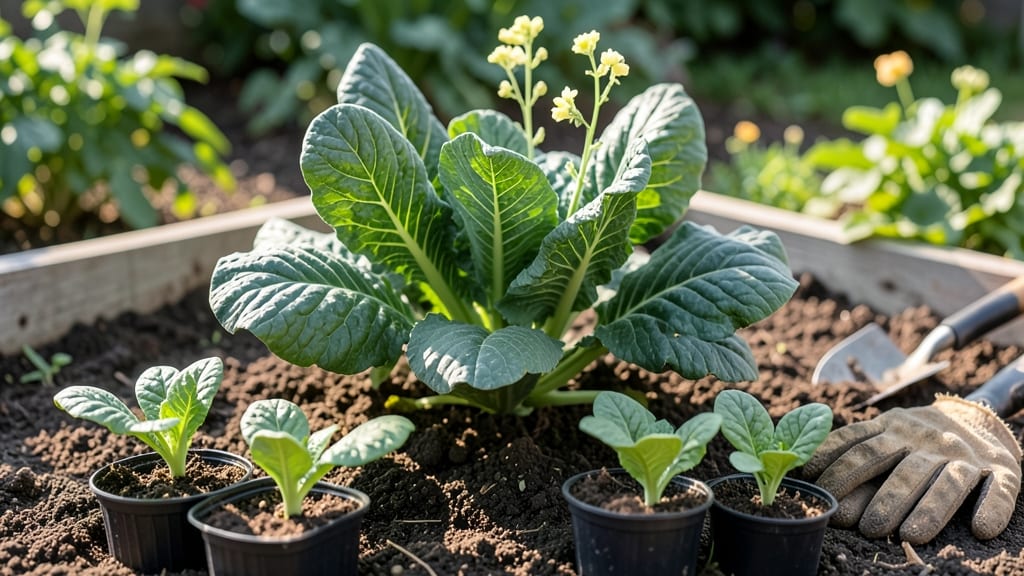
Planting collard greens 🥬 at the wrong time in Georgia could mean sacrificing sweet, tender leaves for bitter or stunted growth—and nobody wants that.
The key to a thriving harvest lies in understanding your county’s heat zone, since Georgia’s climate ranges from 7b to 8b, where frost dates shift dramatically from north to south.
Most gardeners in Georgia know collards thrive in cool weather, but timing matters more than you’d think. Whether you’re in Zone 7b or 8b, planting too early risks frost damage, while waiting too long can lead to bolting before harvest.
The secret? Start seeds in late February to early March for spring or August to September for fall, when soil temps and daylight align perfectly with their growth cycle.
I’ve seen firsthand how a few weeks’ difference can turn a bountiful harvest into a disappointment. That’s why I’ll break down exactly when to plant in your specific area—plus soil prep tips and frost-proofing tricks—to ensure your collards grow strong, sweet, and ready to pick from April to November.
Ready to avoid common mistakes and maximize your garden’s potential? Let’s dive into the frost-free timeline that works for your Georgia heat zone—and keep those collards coming all season long.
Georgia’s collard green planting calendar by heat Zone (with frost dates)
Georgia’s USDA hardiness zones 5A–8B create wildly different planting windows for collard greens. In Zone 5A (northwest Georgia), first frost can arrive by mid-October, while Zone 8B (southwest) may see frost as late as January.
These extremes mean your planting strategy must adapt—whether you’re in Dahlonega’s cooler hills or Savannah’s milder coastal climate.
Collards thrive in cool weather (50–75°F) and actually sweeten with frost. This makes fall and winter plantings ideal, but timing matters. Plant too early in Zone 8B, and summer heat will bolt your greens.
Plant too late in Zone 5A, and frost will stunt growth before harvest. Below, I’ve broken down the optimal planting windows by zone, including first/last frost dates and temperature thresholds.
Pro Tip: Use these dates as guidelines, not rules. Monitor your local microclimate—valleys frost earlier than ridges, and urban areas can be 5–10°F warmer than rural zones. Always check Almanac frost predictions 2 weeks before planting.