
Planting
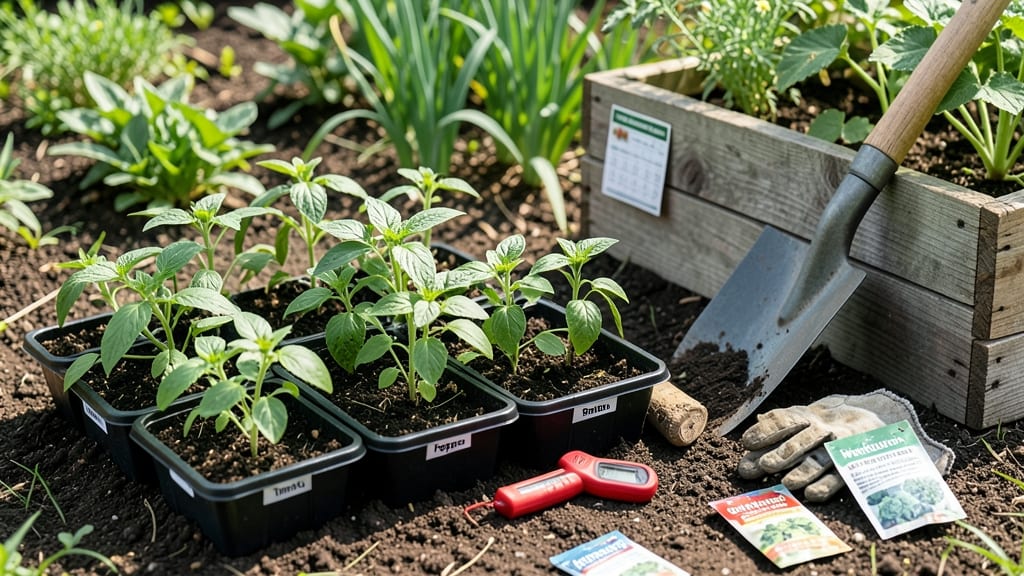
Planting your garden in Tennessee at the wrong time can mean the difference between a thriving harvest and wasted effort. With USDA zones 6a-7b and unpredictable spring weather, timing is everything—especially when frost-sensitive 🌱 General Garden Plants are on the line.
Most gardeners in Tennessee wait until mid-March to early April for spring planting, but the real secret lies in knowing your local microclimate. East Tennessee’s cooler mountains demand patience, while Middle Tennessee’s warmer valleys can handle early starts—if you play it smart.
I’ll break down the exact deadlines for cool-season crops (like lettuce) versus warm-season stars (like tomatoes), plus how to stretch your growing season with simple tricks. No more guessing—just proven strategies for Tennessee’s unique climate.
Ready to turn your garden into a year-round success? Let’s dive into the zone-specific planting schedule that works for your backyard.
Tennessee planting dates by USDA zone: frost-free timelines for vegetables, flowers & herbs
Tennessee spans USDA zones 6a to 7b, meaning your last frost dates can vary by 2-3 weeks between East Tennessee’s mountains and Middle Tennessee’s valleys.
In zone 6a (e.g., Knoxville), expect your average last frost around April 15, while zone 7b (e.g., Memphis) typically sees frost-free conditions by March 15. These differences matter—planting tomatoes too early in zone 6a risks frost damage, while zone 7b gardeners can start warm-season crops weeks ahead.
To avoid costly mistakes, I recommend checking your local microclimate. Valleys and low-lying areas often frost 1-2 weeks later than hilltops. For example, Nashville’s (zone 7a) average first frost is November 1, but nearby Franklin might see frost 5 days earlier.
Use a frost calendar from your local extension office or track 3-year averages from nearby weather stations like NOAA.
Cool-season crops like lettuce, spinach, and peas thrive when planted 4-6 weeks before your last frost. In zone 6a, that means mid-March, while zone 7b gardeners can start as early as late February. For warm-season crops like tomatoes, peppers, and beans, wait until 2 weeks after your last frost—so late April in 6a and early April in 7b—to ensure soil temperatures stay above 60°F.
Here’s a quick reference for Tennessee’s USDA zones 6a-7b, including last frost dates, ideal planting windows, and key crops for each zone:
For flowers and herbs, timing depends on the plant. Perennials like lavender and rosemary can be planted in early spring or fall, while annuals like marigolds or basil need to wait until after your last frost.
I’ve found that herbs like cilantro bolt quickly in Tennessee’s heat, so I plant it in early spring or late summer for a second harvest. Zones 7a and 7b also allow for fall planting of cool-season crops like k
How to extend your Tennessee growing season: cold frames, row covers & succession planting hacks
Tennessee’s short growing season (about 180-220 frost-free days) can feel like a race against time. But with the right strategies, you can plant earlier and harvest later—even in USDA zones 6a-7b.
I’ve tested these methods in my own garden, and they’ve added 4-6 extra weeks of productivity without risking frost damage.
Start by focusing on three key tools: cold frames for early starts, row covers for frost protection, and succession planting to keep your harvests rolling.
For example, my spinach thrives under a cold frame in February, while zucchini gets a second planting in early August for a fall harvest. Let’s break down how to make these work for your garden.
For DIY cold frames, repurpose an old window or buy corrugated plastic sheets. Angle the cover 45 degrees in winter to trap heat while allowing light. I add straw mulch inside to insulate soil and prevent weeds.
In East Tennessee’s cooler microclimates, this lets me plant radishes in March—a full month earlier than usual!
Don’t overlook row covers for late-spring frosts. I’ve used them to save tomato seedlings during April’s unpredictable nights. Secure covers with bricks or hoops to prevent wind damage. For fall crops, remove covers by mid-October to harden off plants before the first frost.
My 6-week succession schedule for beans and zucchini starts with Week 1 (late April) for fast-maturing varieties like ’Blue Lake’ beans. Then, every 14 days, I add another row.
This ensures I’m harvesting fresh zucchini until October—even in West Tennessee’s hotter zones. Label your rows to track planting dates!
Pro tip: Pair these methods with soil warming. Lay black plastic mulch in early spring to raise soil temps by 5-10°F. This helps warm-season crops like peppers germinate faster and grow stronger before summer heat arrives. Just remember to remove mulch before planting to avoid overheating roots.