
Planting
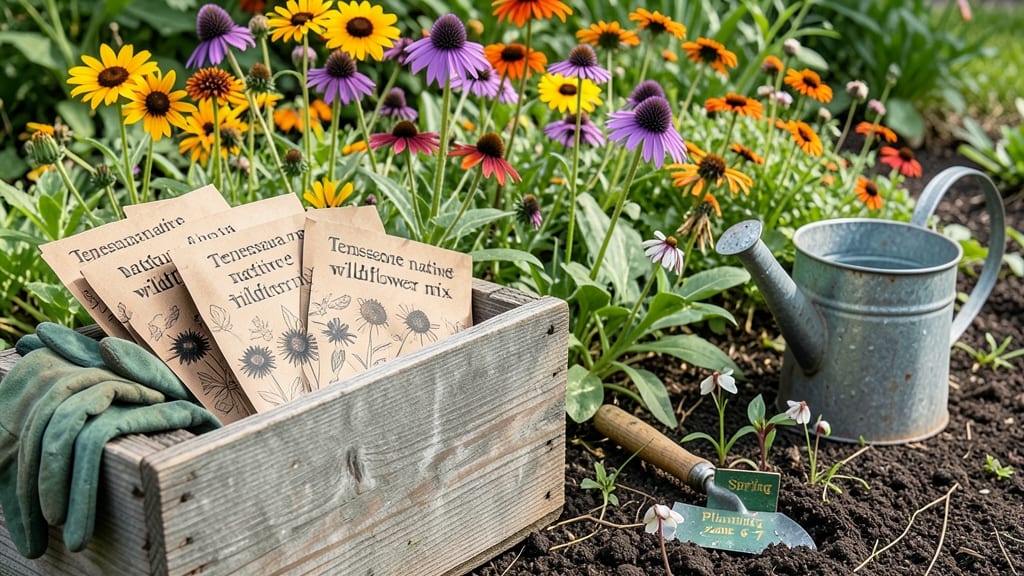
Planting your garden at the wrong time in Tennessee can mean the difference between a bountiful harvest and a disappointing loss—especially when frost dates shift from mid-March in the mountains to late April in the western valleys.
Timing isn’t just about the calendar; it’s about understanding your county’s microclimate, whether you’re in USDA Zone 6a or 7b, to give your 🌱 General Garden the best shot at thriving.
Most gardeners assume spring is the only window to plant, but Tennessee’s climate actually offers two prime seasons: early spring (March–May) for cool-loving crops like lettuce and peas, and late summer (August–September) for heat-tolerant tomatoes and peppers.
Miss these windows, and you’ll either battle frost damage or watch your plants wilt under summer’s intensity.
Here’s the game-changer: aligning your planting with Tennessee’s last frost dates—which can vary by weeks across the state—ensures your seeds and seedlings get a head start without risking cold snaps.
I’ll break down exactly when to plant, from East Tennessee’s cooler highlands to West Tennessee’s warmer lowlands, so you can maximize your harvest.
Ready to turn your garden into a productive powerhouse? Let’s dive into the county-specific planting schedule that’ll have your 🌱 General Garden flourishing all season long.
Tennessee’s last frost dates by region: when to plant cool-season vs. warm-season crops
Understanding Tennessee’s last frost dates is the first step to a thriving garden. The state’s three grand divisions—East, Middle, and West—experience noticeable differences in frost timing due to elevation and geography.
For example, East Tennessee’s higher elevations like Sevier County often see frosts until mid-April, while West Tennessee’s Memphis area typically warms up by mid-March. These variations mean your planting schedule should adjust based on your specific location.
Cool-season crops like lettuce, spinach, and peas thrive when planted 4-6 weeks before the last frost. In contrast, warm-season crops such as tomatoes, peppers, and cucumbers need to wait until 2 weeks after the last frost when soil temperatures reach at least 60°F.
Knowing these timelines helps you avoid frost damage or stunted growth from early heat.
USDA hardiness zones in Tennessee range from 6a to 7b, but microclimates—like valleys or mountaintops—can shift frost dates by 1-2 weeks. For instance, Chattanooga’s valleys may warm faster than its surrounding hills. Always check local records or use frost-free date calculators to fine-tune your schedule.
Here’s a breakdown of last frost dates by region, including key counties and ideal planting windows for both cool- and warm-season crops:
| Region | Key Counties | Last Frost Date | Cool-Season Planting Window | Warm-Season Planting Window |
|---|---|---|---|---|
| East Tennessee | Sevier, Knox, Sullivan | Mid-to-late April | March 15–April 15 | May 1–May 15 |
| Middle Tennessee | Davidson, Rutherford, Wilson | Early-to-mid April | March 1–April 1 | April 15–April 30 |
| West Tennessee | Shelby, Fayette, Tipton | Mid-March | February 15–March 15 | March 20–April 10 |
In East Tennessee, where USDA Zone 6a dominates, gardeners can start spinach and kale as early as late February under row covers. However, warm-season crops like okra and sweet potatoes should wait until late May to avoid frost risks.
The region’s higher elevations also mean later first frosts in October, extending the growing season for fall crops like broccoli and carrots.
For Middle Tennessee, which spans Zones 6b to 7a, the transition between seasons is smoother. Cool-season crops such as peas and radishes can be sown in early March, while warm-season crops like tomatoes and peppers thrive when planted in mid-April.
Nashville’s urban heat island effect may push frost dates back slightly, so always monitor local forecasts.
West Tennessee’s warmer climate (Zones 7a-7b) allows for earlier planting. Lettuce and onions can go in as early as January in sheltered areas, and warm-season crops like cucumbers and squash can start by mid-March.
However, late spring frosts—though rare—can still occur, so have row covers ready for sensitive plants like eggplants.
Microclimates play a huge role in Tennessee’s gardening success. A south-facing slope in East Tennessee might warm up 2 weeks earlier than a shady valley, while West Tennessee’s river valleys can trap cold air, delaying spring planting.
Use these microclimate clues to extend your growing season: plant heat-loving crops on sunny slopes and cool-season crops in shaded areas that stay frost-free longer.
Pro tip: Track your local frost dates for 3-5 years to account for climate shifts. For example, Chattanooga’s last frost has trended later in recent years due to global warming. Adjust your schedule accordingly, and consider succession planting—sowing lettuce every 2 weeks in spring—to maximize harvests.
By aligning your planting with Tennessee’s regional frost patterns, you’ll avoid common pitfalls like frost-killed seedlings or heat-stressed transplants. Start with these guidelines, then fine-tune based on your specific microclimate and past observations. Happy planting! 🌱
Best planting calendar for Tennessee gardens: month-by-month schedule for peak yields
Timing your Tennessee garden correctly means the difference between a bountiful harvest and wasted seeds. The state’s USDA zones 6a-7b create a 180-220 day growing season, but local microclimates—like Nashville’s urban heat islands or the Appalachian mountains’ cooler valleys—shift those windows.
For example, East Tennessee’s last frost often hits mid-April, while West Tennessee may see frost-free soil by mid-March. Here’s your month-by-month roadmap for tomatoes, peppers, greens, and squash, tailored to Tennessee’s rhythm.
Start with cool-season crops like lettuce and spinach in early March under row covers, then transition to warm-season staples once soil hits 60°F. My rule of thumb?
Wait until two weeks after your county’s last frost date to plant heat-lovers like tomatoes and peppers, as late frosts can still sneak in. For succession planting, sow bush beans and zucchini every 2 weeks from May through July to stretch your harvest into early fall.
🌱
Tennessee Planting Timeline by Month
- March: Direct-sow lettuce, spinach, peas (East TN: wait until mid-March; West TN: early March). Start tomato and pepper seeds indoors.
- April: Transplant broccoli, cabbage, onions after last frost. Harden off indoor seedlings for May planting. Sow carrots and radishes for early summer harvests.
- May: Plant tomatoes, peppers, squash, cucumbers after soil warms to 60°F. Succession-sow bush beans and zucchini every 2 weeks.
- June: Direct-sow Southern peas, okra, sweet potatoes (heat-tolerant crops). Mulch to retain moisture for warm-season veggies.
- July: Begin fall garden prep: sow beets, turnips, kale for late harvests. Watch for tomato hornworms—handpick early!
- August: Plant cool-season crops like spinach and arugula for fall harvests. Transplant broccoli and cabbage seedlings.
- September: Sow garlic and onions for next year. Extend tomato and pepper season with row covers.
For East Tennessee’s cooler zones, delay warm-season planting until mid-May to avoid late spring frosts, while West Tennessee gardeners can push tomatoes and peppers into the ground by early April.
Pro tip: Use a soil thermometer—warm-season crops need soil at 60°F+ for roots to thrive. I’ve seen peppers bolt in 50°F soil, so don’t rush!
Extend your harvests with succession planting: After pulling early spring lettuce, replant with radishes or carrots for a June harvest. Similarly, fall-planted kale sweetens after a light frost, making it a Tennessee garden staple.
For peppers and eggplants, start seeds 8-10 weeks before last frost—my ‘Carolina Wonder’ peppers need this head start to ripen before October’s first frost.
🌿
Don’t overlook perennials and herbs: Plant asparagus crowns in early spring (they take 2-3 years to establish), and set out strawberries in fall for spring blooms. For herbs like basil and cilantro, sow every 4-6 weeks—cilantro bolts in heat, while basil thrives in summer’s humidity.
My ‘Genovese basil’ plants yield enough pesto for a year if I keep them pinched back!