
Planting
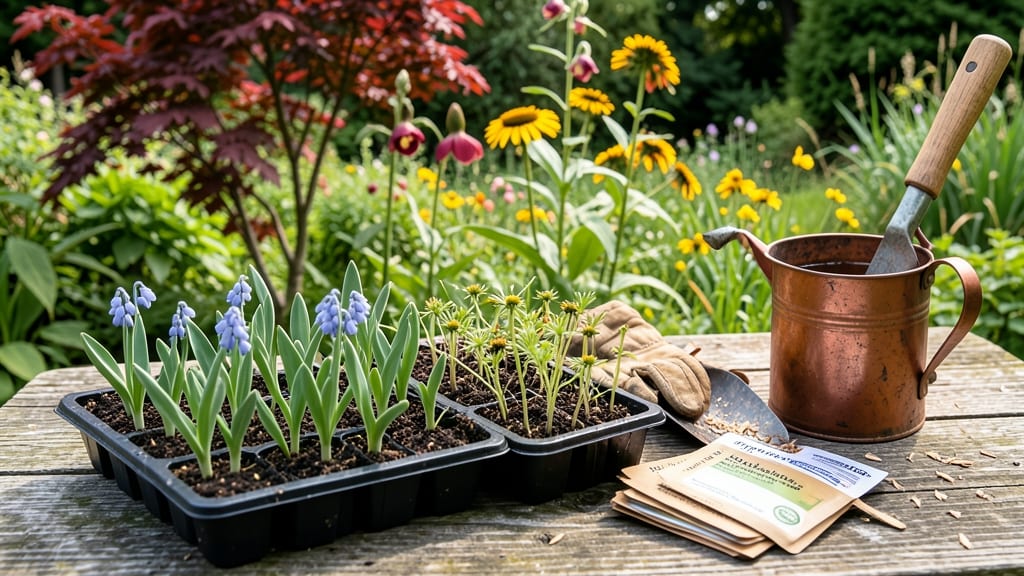
Timing your garden planting in Virginia isn't just about the calendar—it's about knowing your region's last frost date and how microclimates can shift your schedule by weeks.
Whether you're in the coastal plains or the mountains, planting too early or too late can mean the difference between a bountiful harvest and wasted seeds.
I’ve spent years tracking Virginia’s 6a-8a zones, and the key is understanding when to start cool-season crops like lettuce and spinach—4-6 weeks before your last frost—versus when to wait for warm-season favorites like tomatoes and peppers.
Miss the window, and you’ll either have leggy seedlings or stunted growth.
This guide breaks down the exact frost-free timelines for Virginia’s five climate zones, so you can plan your 🌱 General Virginia Garden with confidence. From early spring starts to fall planting opportunities, we’ll cover everything—including how to adjust for urban heat islands or high-elevation chill.
Ready to stop guessing and start growing? Let’s dive into the month-by-month schedule that’ll help you maximize your harvest, no matter where in Virginia you’re planting.
Virginia’s frost-free dates by region: when to plant cool-season vs warm-season crops
Virginia’s five distinct climate zones create wildly different planting schedules—from the mild coastal plains to the cooler mountain regions. Knowing your last spring frost and first fall frost dates is the key to avoiding frost damage and maximizing your harvest.
Let’s break down the exact windows for each zone, so you can plant cool-season crops like lettuce and warm-season crops like tomatoes at the perfect time.
In Coastal Plain regions (e.g., Norfolk, Richmond), the average last frost arrives as early as March 15, while mountain zones (e.g., Roanoke, Blacksburg) often see frost lingering until April 15 or later.
Similarly, fall frost dates vary—coastal areas may enjoy harvests until November 20, while higher elevations can face frost by October 15. These differences mean your planting calendar should shift dramatically depending on where you garden.
Cool-season crops like broccoli, spinach, and peas thrive in cooler temperatures and should be planted 4-6 weeks before your last frost. Meanwhile, warm-season crops such as tomatoes, peppers, and cucumbers need soil temperatures above 60°F and should go in 2-3 weeks after your last frost. Below, I’ve mapped out the exact windows for Virginia’s five climate zones, so you can plan with confidence.
| Region | Last Spring Frost | First Fall Frost | Cool-Season Planting Window | Warm-Season Planting Window |
|---|---|---|---|---|
| Coastal Plain (e.g., Norfolk, Hampton Roads) | March 15 | November 20 | February 15–March 30 | April 1–May 15 |
| Piedmont (e.g., Richmond, Charlottesville) | March 25 | November 5 | February 20–March 25 | April 10–May 10 |
| Blue Ridge (e.g., Staunton, Waynesboro) | April 5 | October 20 | March 1–April 5 | April 20–May 15 |
| Valley (e.g., Roanoke, Lynchburg) | April 10 | October 15 | March 10–April 10 | April 25–May 10 |
| Appalachian Plateau (e.g., Bristol, Wise) | April 15 | October 5 | March 15–April 15 | May 1–May 20 |
If you’re gardening in the Coastal Plain, you can start cool-season crops like lettuce and spinach as early as mid-February. By contrast, gardeners in the Appalachian Plateau should wait until mid-March to avoid frost damage.
For warm-season crops, coastal gardeners can plant tomatoes and peppers by early April, while mountain regions should hold off until early May.
Pro tip: Use row covers or cold frames to extend your cool-season planting by 2-3 weeks in colder zones. This is especially helpful for delicate greens like kale or arugula, which bolt (go to seed) quickly in warm soil.
For warm-season crops, wait until the soil temperature consistently stays above 60°F—a soil thermometer is worth the investment!
For fall planting, focus on cool-hardy crops like broccoli, carrots, and radishes in August. These can handle light frosts and even taste
How to adjust your planting schedule for microclimates and soil conditions in Virginia
Virginia’s varied landscapes create unique gardening challenges. Whether you're in the sandy soils of the Coastal Plain or the clay-heavy Piedmont, your planting schedule should adapt. Urban gardeners with concrete microclimates face different risks than mountain gardeners with cooler temperatures.
The key is understanding how these factors influence your planting windows and using tools to extend seasons.
Start by identifying your local microclimate. Urban areas often trap heat, creating earlier planting opportunities than rural zones. High-altitude regions like the Blue Ridge Mountains experience later frost dates, while coastal areas may have milder winters.
Test your soil's drainage and pH levels—amending clay with compost or sandy soil with organic matter can dramatically improve plant success.
- Use row covers to plant cool-season crops 2-3 weeks earlier in urban heat islands.
- For high-altitude areas, delay planting until after May 15 to avoid late frosts.
- Amend clay soil with 3 inches of compost to improve drainage for root crops.
- In sandy soils, use mulch to retain moisture for shallow-rooted plants.
- Extend fall harvests with cold frames in cooler microclimates like the Appalachian Plateau.
- Practice succession planting every 2-3 weeks in urban containers for continuous harvests.
Row covers and cold frames are game-changers for Virginia gardeners. In urban heat zones, these tools can push your spring planting back by 2-3 weeks, while in mountain regions, they protect tender seedlings from unexpected frosts.
For sandy soils, focus on moisture-loving plants like lettuce or cucumbers and pair them with thick mulch to retain water. If your soil is clay-heavy, opt for loose, well-draining plants like radishes or beans.
Succession planting is a must in Virginia’s unpredictable climate. Instead of planting all your warm-season crops at once, stagger seeds every 2-3 weeks. This ensures a steady harvest and reduces waste. For example, plant bush beans in early May, then again in late June.
In urban containers, this technique works especially well for leafy greens like spinach or kale, which bolt quickly in summer heat.
Don’t overlook the power of season extenders like hoop houses or wall o’ water. These can add 4-6 weeks to your growing season in both spring and fall. In cooler microclimates, like the Shenandoah Valley, start cool-season crops indoors in late winter and transplant after the last frost.
For warm-season crops, use these tools to protect seedlings until soil temperatures reach 60°F or higher.
Finally, pay attention to soil temperature. Use a soil thermometer to ensure it’s warm enough for seeds to germinate—50°F for peas, 60°F for tomatoes. In clay soils, wait until temperatures stabilize to avoid stunted growth.
Adjust your schedule based on these readings, and don’t hesitate to consult your local Cooperative Extension office for region-specific advice.