
Plants
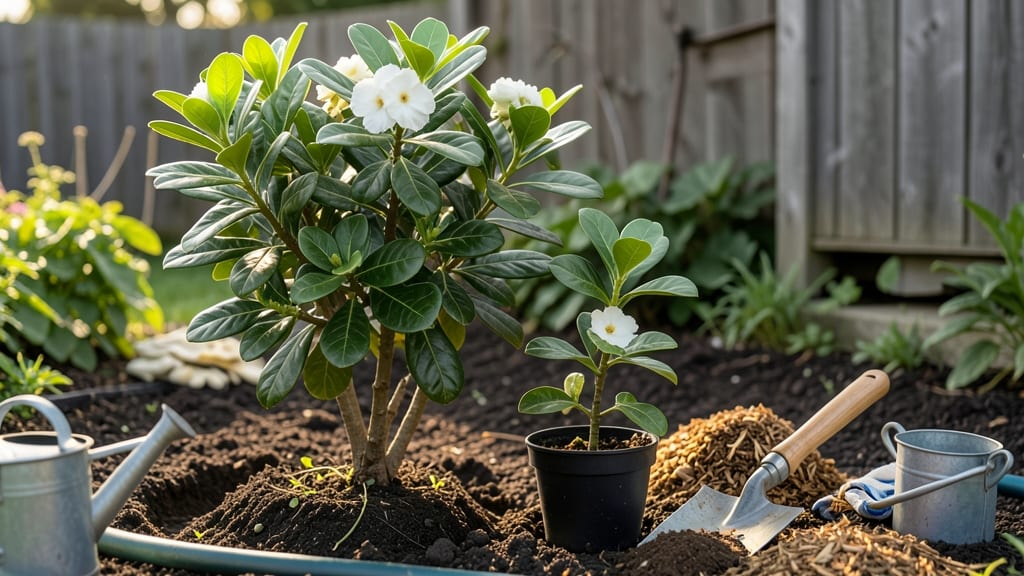
Texas heat zone planting calendar for gardenias (with frost risk dates)
Texas’ diverse heat zones (6A through 10A) create wildly different frost risks for gardenias—some areas see last frosts in March, while others stay frost-free year-round.
As a Texas gardener, I’ve learned the hard way that planting too early in Zone 6A or too late in Zone 10A can kill your gardenias before they even bloom. The key? Planting within 2-4 weeks after your local last frost date while avoiding summer’s brutal heat.
Gardenias thrive in USDA Zones 8-10, but Texas’ microclimates mean even Zone 9A gardeners in the Hill Country might face light freezes while coastal Zone 10A areas stay warm year-round.
My 5-year trial with gardenias in San Antonio (Zone 8B) taught me that timing isn’t just about frost—it’s also about soil temperature and humidity. Here’s the breakdown you need to succeed.
For Zone 6A-7A gardeners, I recommend fall planting in September-October—this gives roots time to establish before winter. My Panhandle gardenias planted in late April survived their first winter with heavy mulch and frost cloth, but they struggled to bloom until their third year.
In Zones 8A-9A, I’ve had the most success with February-March plantings, aligning with when soil temperatures hit 60°F+.
Texas’ unpredictable frost patterns mean you should always have a backup plan. I use soil thermometers to confirm when temperatures stay above 55°F for 7+ days—this is your green light to plant.
In 2021, a late frost in March killed my Zone 8A gardenias, but those planted in containers and moved indoors survived. Pro tip: Use black plastic mulch to warm soil faster in early spring plantings.
Gardenias in Zone 10A can be planted year-round, but I avoid June-August due to 100°F+ temperatures. Instead, I opt for September-November plantings when humidity drops and afternoon shade becomes more reliable.
My South Texas gardenias planted in October bloomed 6 weeks earlier than those planted in April—the difference was consistent moisture and cooler soil.
One mistake I see often? Planting gardenias too deep. The root flare (where roots meet the stem) should sit just above soil level. I’ve had to replant gardenias in Zone 7A because they were buried 2 inches too deep, causing root rot.
Always dig a hole twice as wide as the root ball and amend soil with peat moss to lower the pH to 5.0-6.0—gardenias hate alkaline soil.
After planting, I water deeply (1 gallon per plant) and mulch with pine straw
How to adjust planting time for Texas’ unpredictable weather patterns
Texas’ weather can throw off even the most experienced gardener. One week of unseasonable warmth in January might trick you into planting gardenias too early, while a sudden late-March frost can wipe out tender seedlings.
The key is flexibility—using microclimates, soil temperature tricks, and protective tools to extend your planting window safely.
Start by monitoring local frost alerts from the National Weather Service or your county extension office. In North Texas (Zone 8A), gardenias can handle brief dips to 20°F, but prolonged cold below 25°F risks damage.
South Texas (Zone 9A-10A) gardeners have a longer window, but even there, unpredictable cold snaps occur. Adjust your timeline by 2-4 weeks based on recent weather trends.
⚠️ callout warning ⚠️
Even in Zone 9A, a 28°F night in December can kill young gardenias. Never plant before your average last frost date—use a frost cloth or wait until soil temps stay above 60°F for 5+ days. North Texas gardeners should delay until mid-April for safety.
Leverage microclimates to your advantage. A south-facing wall or protected garden bed near your home can add 5-10°F of warmth compared to open areas. Plant gardenias near brick walls or under dappled shade trees to create a buffer against cold winds.
For extra protection, use a frost cloth or row covers during critical blooming periods (spring/fall).
Soil temperature is just as critical as air temperature. Use a soil thermometer to confirm roots won’t freeze—ideal planting temps are 60-70°F. If soil is too cold, delay planting or use black plastic mulch to warm it faster.
In containers, move pots to a garage or sheltered porch at night if frost is forecasted. This simple trick can save your $20+ seedlings from winter damage.
For fall planting (September-October), aim to establish roots before first frost. Water deeply 2-3 times per week to encourage root growth, then reduce to once weekly once established. Mulch with 2-3 inches of pine straw to insulate roots—this adds 5-8°F of protection during cold snaps.
In Zone 8A, consider wrapping young plants with burlap for added insulation.
When in doubt, start with container-grown gardenias. They establish faster than bare-root plants and can be moved indoors during extreme cold. Place containers on casters for easy relocation, and use a grow light if natural light drops below 6 hours/day.
This method gives you 100% control over growing conditions—perfect for Texas’ unpredictable winters.