
Plants
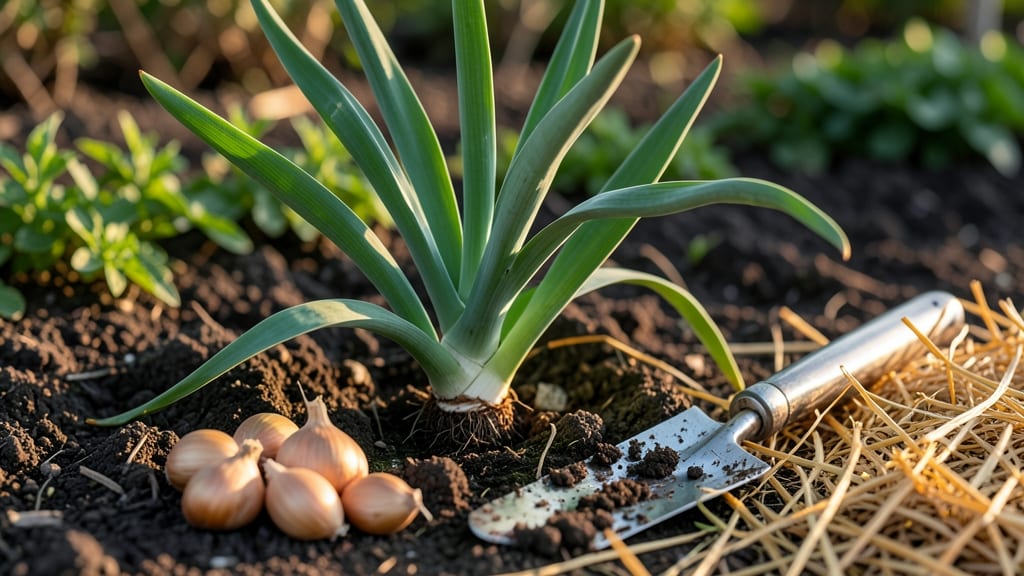
Planting garlic in Delaware at the wrong time can mean the difference between a bountiful harvest and a disappointing flop—especially with hardneck varieties that thrive in your 7a-7b climate. The key is timing it right, between October and November, when soil temps drop but before the ground freezes solid.
Why does this matter? Delaware’s mild winters and coastal influences create a unique growing window where garlic needs cold stratification to form bulbs. Plant too early, and your cloves might sprout prematurely.
Too late, and winter’s chill won’t trigger the bulb-development process. I’ll walk you through the exact frost-free timeline and soil prep tips tailored for your state.
You’ll also discover how to adjust for microclimates—whether you’re in coastal Rehoboth or inland Wilmington—and which garlic varieties perform best in Delaware’s 6-7 growing zone.
Plus, I’ll share the critical mistakes to avoid, like planting too deep or ignoring soil pH, which can ruin your harvest before it even starts.
Ready to grow plump, flavorful garlic that’s ready to harvest by late June? Let’s dive into the step-by-step guide that’ll have your garden thriving—and your kitchen stocked—come next summer.
Delaware’s ideal garlic planting window: month-by-month breakdown
Delaware’s USDA zones 7a-7b create perfect conditions for growing hardneck garlic, but timing your planting is critical. The optimal window depends on soil temperatures, frost dates, and regional microclimates—especially the difference between coastal and inland areas.
Plant too early, and your cloves may rot; too late, and bulbs won’t mature fully. Here’s the science-backed breakdown to ensure a bountiful harvest.
Garlic needs 4-6 weeks before the ground freezes to establish roots. In Delaware, this typically means planting between mid-October and early November. However, coastal areas like Rehoboth Beach experience milder winters, allowing a slightly later window, while inland regions like Wilmington may need to plant earlier.
Always check your last frost date—Delaware’s average is November 15—and adjust accordingly.
The soil temperature threshold for planting garlic is 50-60°F. In Delaware, this usually occurs in late September to early October, giving you a 4-6 week buffer before winter sets in.
Use a soil thermometer to confirm—planting when temps drop below 50°F risks poor root development. Pro tip: Mulch heavily after planting to insulate bulbs during winter.
| Month | Action | Soil Temp | Notes |
|---|---|---|---|
| September | Prepare soil | 60°F+ | Test pH (6.0-7.0), add compost |
| October | Plant cloves | 50-60°F | Ideal window for inland areas |
| November | Plant cloves | 45-50°F | Coastal areas only |
| December | Mulch heavily | Below freezing | Use straw, 4-6 inches deep |
| April | Remove mulch | 40°F+ | Avoid disturbing roots |
If you’re in a coastal microclimate, like near the Delaware Bay, you can push planting to early November. The ocean’s moderating effect delays frost, but don’t wait past November 15—even coastal areas can experience unexpected cold snaps.
For inland Delaware, such as New Castle County, aim to plant by mid-October to avoid winter damage.
Garlic planted in September may sprout too early, making it vulnerable to rot or pests before winter sets in. Wait until soil temps drop below 60°F to signal the plant to focus on root growth rather than foliage.
This is especially critical for hardneck varieties, which rely on cold stratification to form bulbs. Pro tip: Break apart garlic bulbs into individual cloves and plant the largest ones—they’ll produce the biggest harvests.
Delaware’s first frost date varies by region, but most areas see it between November 15 and December 1. Planting 4-6 weeks before this date ensures garlic has time to establish roots before dormancy. For example, if your frost date is November 20, plant by October 15.
Use a frost calendar for your specific ZIP code to fine-tune timing—Delaware’s USDA zone 7b gives you a slight edge over colder regions.
After planting, mulch with straw to protect bulbs from freeze-thaw cycles, which can damage roots. In Delaware, winter temps can fluctuate wildly, so a 4-6 inch layer of mulch acts as insulation.
Remove mulch in early April to allow soil to warm and support spring growth. This timing also helps prevent fungal diseases, which thrive in damp, cold conditions.
One common mistake is planting garlic too deep—Delaware’s clay-heavy soils can exacerbate this issue. Cloves should be placed 2 inches deep, with the pointy end up. If planted deeper, bul
How to choose the right garlic varieties for Delaware’s climate
Delaware’s USDA zones 7a-7b make it ideal for growing hardneck garlic, but not all varieties thrive equally. The cold winters and moderate summers favor varieties that balance disease resistance with large bulb production.
Choosing the right type ensures sweeter flavors and fewer pests like rust fungus, which can devastate weak varieties.
For Delaware gardens, hardneck garlic outperforms softneck types because it requires cold vernalization—a winter chill period—to form bulbs. The top performers in Delaware include ‘German White’, ‘Music’, and ‘Silverskin’, each offering unique benefits for bulb size, flavor intensity, and storage life.
Garlic Variety Comparison for Delaware
Best for: Large bulbs, mild flavor
Best for: Disease resistance, storage
Best for: Early harvest, bold flavor
Pros
- Produces 3-4 inch bulbs
- Mild, versatile flavor
- Good for cooking and roasting
Cons
- Susceptible to rust fungus
- Requires well-draining soil
- Shorter storage life
Pros
- Highly disease-resistant
- Stores well for 6+ months
- Adaptable to Delaware’s humidity
Cons
- Smaller bulbs (2-3 inches)
- Strong, pungent flavor
- Slower to mature
Pros
- Harvests 2-3 weeks early
- Bold, spicy flavor
- Great for raw use
Cons
- Sensitive to wet springs
- Poor storage life (3-4 months)
- Smaller bulb size
If you prioritize bulb size and cooking versatility, ‘German White’ is my top pick for Delaware gardens. Its large cloves and mild flavor make it perfect for roasting or sautéing. However, its rust susceptibility means you’ll need to rotate planting locations every 3 years to prevent soil-borne diseases.
For long-term storage and disease resistance, ‘Music’ garlic is a powerhouse. This variety thrives in Delaware’s humid summers and can last in your pantry until next year’s harvest. The trade-off? Its stronger flavor may not suit everyone, but it’s ideal for braiding and preserving.
Looking for an early harvest? ‘Silverskin’ garlic matures faster than other varieties, giving you a 2-3 week head start on the growing season. It’s also my go-to for raw applications like garlic-infused oils or pest-repellent sprays.
Just be prepared to harvest and store it quickly, as it doesn’t keep as long as other types.
No matter which variety you choose, always source organic, untreated seed garlic from a reputable supplier. Delaware’s moderate winters can be tricky—if temperatures dip below 20°F for extended periods, even hardy varieties may struggle. Mulch heavily with straw or leaves to protect cloves during winter cold snaps.