
Plants
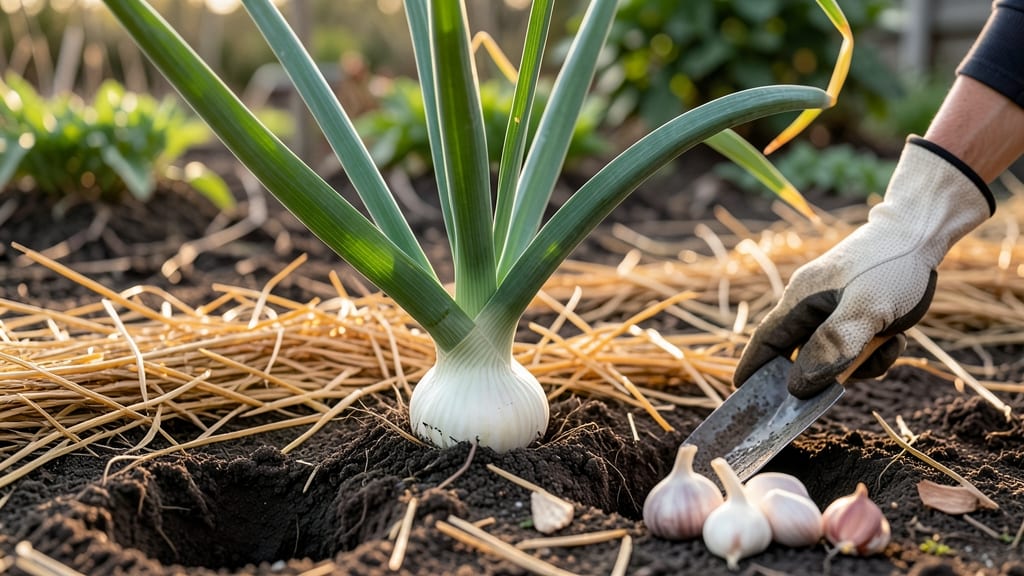
Planting garlic in Denver isn’t just about dropping cloves in the ground—it’s about catching the perfect chill-hour window that turns those tiny 🧄 into robust bulbs. Miss the mark, and you might end up with weak growth or even wasted effort.
The key? Understanding how Denver’s USDA Zone 6b climate and elevation play into your planting timeline.
For hardneck varieties—the best choice for Denver—the magic happens between October and November, when soil temps drop and the days grow shorter. This isn’t just guesswork; it’s science.
Your garlic needs 400-600 chill hours below 42°F to form properly, and Denver’s microclimates (from the city’s urban heat to the cooler foothills) can shift that window by weeks.
I’ve tested this myself, and the difference between a bountiful harvest in July and a flop comes down to timing. Whether you’re a first-timer or a seasoned gardener, knowing when to plant—and how to adjust for Denver’s unpredictable frosts—is the game-changer you need.
Let’s break it down: soil prep, spacing, and the exact dates to aim for so your garlic thrives all winter long. Ready to grow the best 🧄 harvest Denver has to see?
Denver’s chill-hour requirements for hardneck garlic planting
Denver’s USDA hardiness zones 5b-6a create a perfect environment for hardneck garlic varieties like Rocambole and German White, but timing your planting based on chill hours is critical. These varieties need between 400-600 chill hours (temperatures between 32°F-42°F) to form bulbs properly.
Without enough chill hours, your garlic will grow but won’t develop the plump bulbs you’re after.
Denver’s elevation—ranging from 5,280 feet in the city to over 6,000 feet in the foothills—affects when temperatures drop into that sweet spot. Lower elevations (like Denver’s urban areas) tend to hit chill hours earlier than higher elevations (like Boulder or Golden).
This means your planting window can shift by 2-3 weeks depending on where you live within the metro area.
To calculate chill hours for your specific location, use a weather station or online chill-hour calculator. Denver typically accumulates 500-600 chill hours between October and March, but microclimates can vary.
For example, areas near Cherry Creek or the South Platte River might accumulate chill hours faster due to urban heat islands, while the Rocky Mountain foothills could lag behind.
Here’s how to match your hardneck garlic variety to Denver’s chill-hour window for optimal success:
Denver’s first hard frost typically arrives around mid-October, but garlic cloves can handle light frosts once planted. The key is ensuring they’ve established roots before temperatures drop below 20°F.
If you’re in a higher-elevation microclimate, aim to plant by mid-October to give your garlic enough time to root before winter sets in.
For gardeners in Denver’s urban heat islands, you might push planting to early November, but monitor soil temperatures closely. Use a soil thermometer to ensure the ground isn’t warmer than 50°F at planting time—garlic roots struggle to establish in warm soil.
If temperatures are too high, wait a few weeks or use shade cloth to cool the soil.
Once planted, mulch heavily (4-6 inches) with straw or leaves to protect cloves from freeze-thaw cycles and retain moisture. This is especially important in Denver’s unpredictable winters, where temperatures can swing from 60°F to below freezing in a single week.
Mulch also prevents soil heaving, which can expose garlic cloves to damaging cold.
Pro tip: If you’re unsure about your local chill hours, check with Colorado State University Extension or use a home weather station to track temperatures. For most Denver gardeners, planting Rocambole or German White in late September to early October strikes the perfect balance between chill hours and frost timing.
Remember, hardneck garlic is a two-year crop in Denver. The first year focuses on building roots and storing energy for bulb formation, while the second year produces the harvest.
Getting those chill hours just right in the first year sets the stage for a bountiful harvest in late July or August of the following year.
Step-by-step Denver garlic planting calendar: month-by-month guide
Timing your Denver garlic planting correctly ensures those hardneck varieties like Rocambole or German White get the 400-600 chill hours they need between 32°F-42°F. Missing this window risks small bulbs or bolting. Here’s your month-by-month breakdown to nail the perfect schedule.
Denver’s USDA Zone 6b and elevation mean your last frost date typically lands around October 15th. Plant too late, and your garlic won’t mature fully before winter. Too early, and it may sprout prematurely. Balance is key—and this calendar keeps you on track.
📅 Your Denver Garlic Planting Timeline
-
🌱 September: Soil Prep & Clove Selection
- Test soil pH (6.0-7.0) and amend with compost if needed.
- Break apart garlic bulbs into individual cloves, keeping the papery skin intact.
- Choose hardneck varieties for Denver’s climate.
-
🌿 Early October: Moon Phase Check & Soil Warmth
- Plant during a waxing moon for stronger roots.
- Soil temp should be 40°F-50°F—use a soil thermometer to confirm.
- Mark rows 6 inches apart with a garden marker.
-
🌡️ Mid-October: Planting Window Opens
- Plant 4-6 weeks before first frost (aim for October 1-15).
- Place cloves pointy end up, 2 inches deep, 4-6 inches apart.
- Mulch with straw (4-6 inches) to insulate roots.
-
🍂 Late October: Frost Protection Prep
- Add extra mulch if early frost threatens (20°F or lower).
- Avoid fertilizing—roots need to harden off for winter.
- Water lightly if soil is bone-dry (avoid soggy beds).
-
🌨️ November: Final Planting Deadline
- Last chance to plant—no later than November 1st for most varieties.
- Use row covers if temps drop below 20°F.
- Label beds with planting date for harvest tracking.
⏰ Critical Deadline: October 15th is your final target for most hardneck garlic in Denver.
Denver’s microclimates can shift planting dates by 1-2 weeks. If you’re in the foothills, aim for October 10th—cooler temps arrive earlier. Urban areas may have warmer pockets, so adjust your soil thermometer checks accordingly.
After planting, resist the urge to check on your garlic until spring. Overhandling can disturb roots. Instead, mark your calendar for April 15th—when you’ll start monitoring for sprouts and plan your spring fertilization (lightly with 5-10-10 in early May).
Pro tip: Use a gardening journal to note your planting date, variety, and harvest results. Denver’s altitude and unpredictable weather make this a game-changer for refining your strategy year after year. 🌱